


Lelit Bianca PL162T V3 Espresso Coffee Machine

Heating System

Heat Up Time

Width


Heating System
Heat Up Time
Width


Profitec Move Espresso Coffee Machine
Heating System
Heat Up Time
Width


Profitec Drive Espresso Coffee Machine
Heating System
Heat Up Time
Width
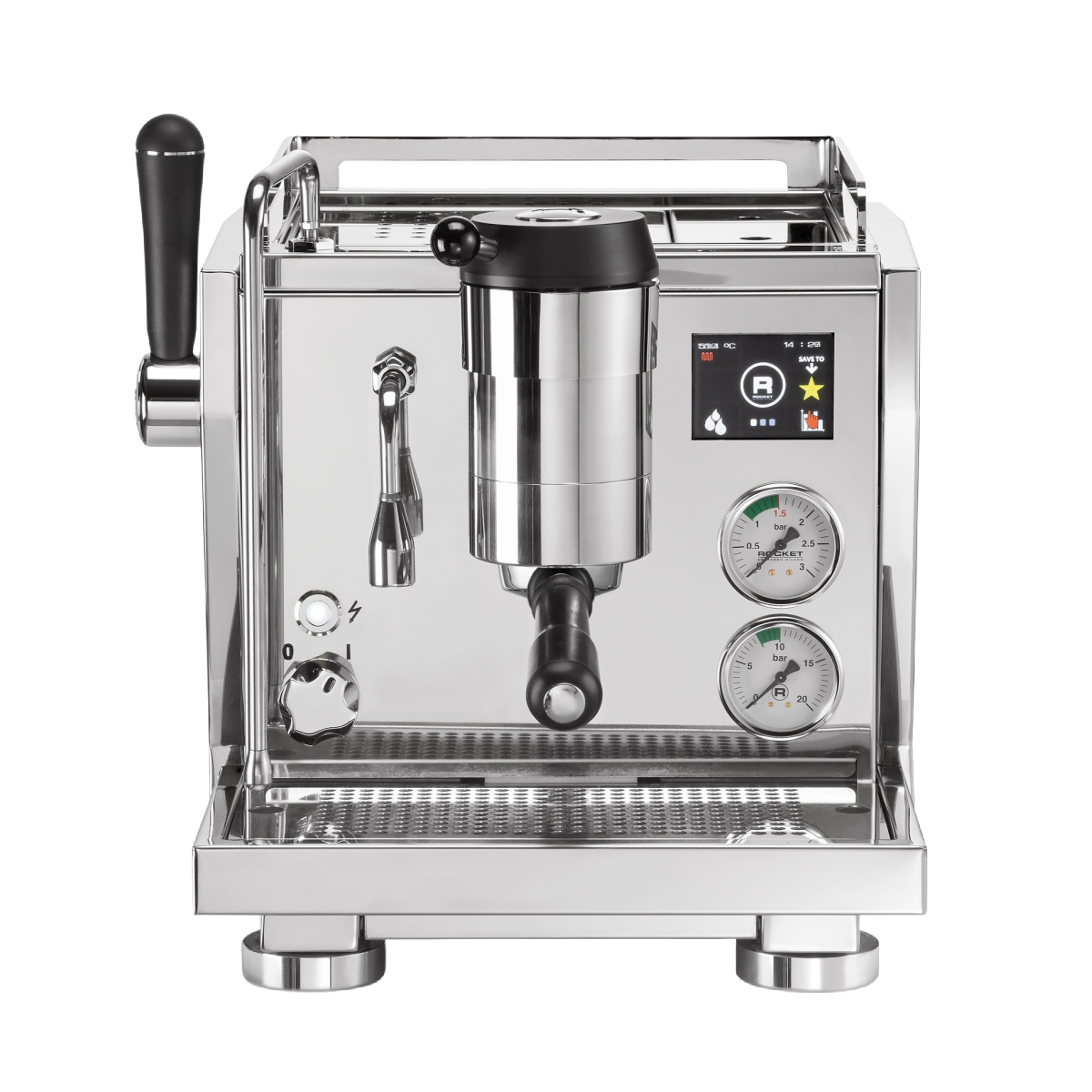
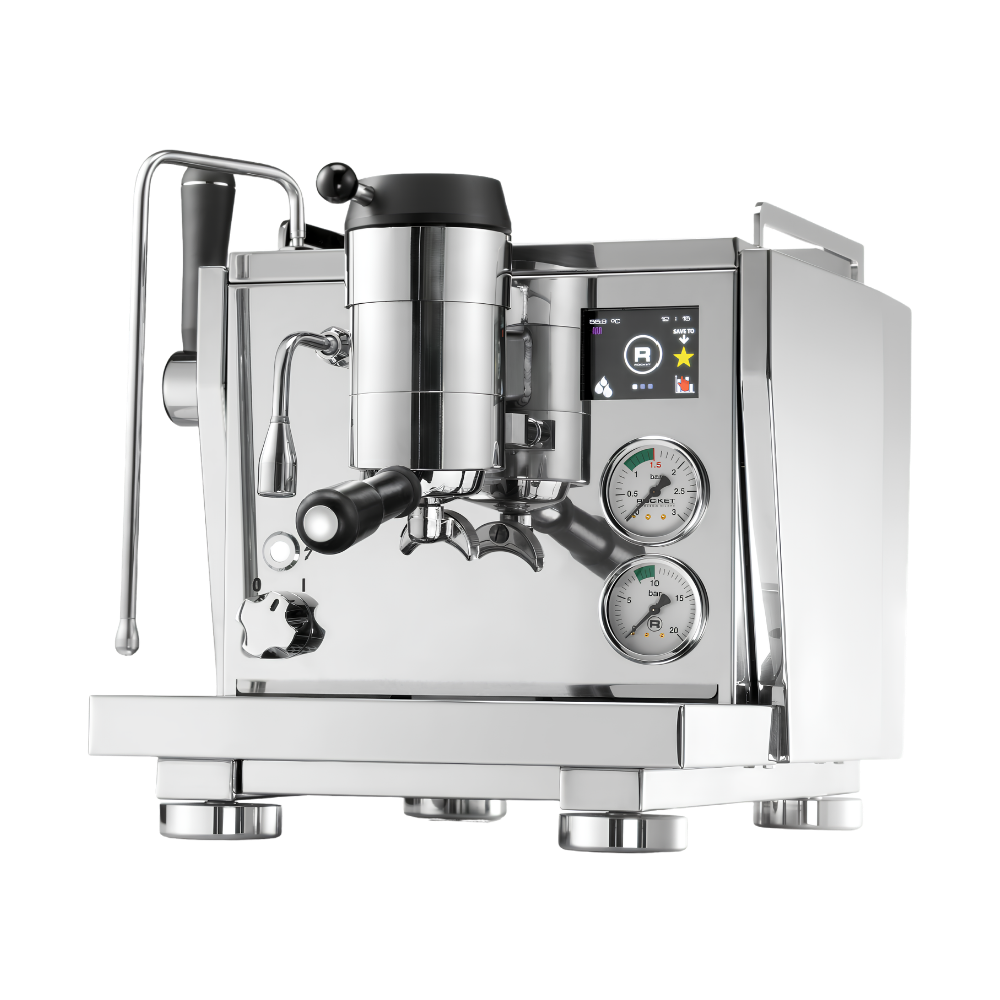
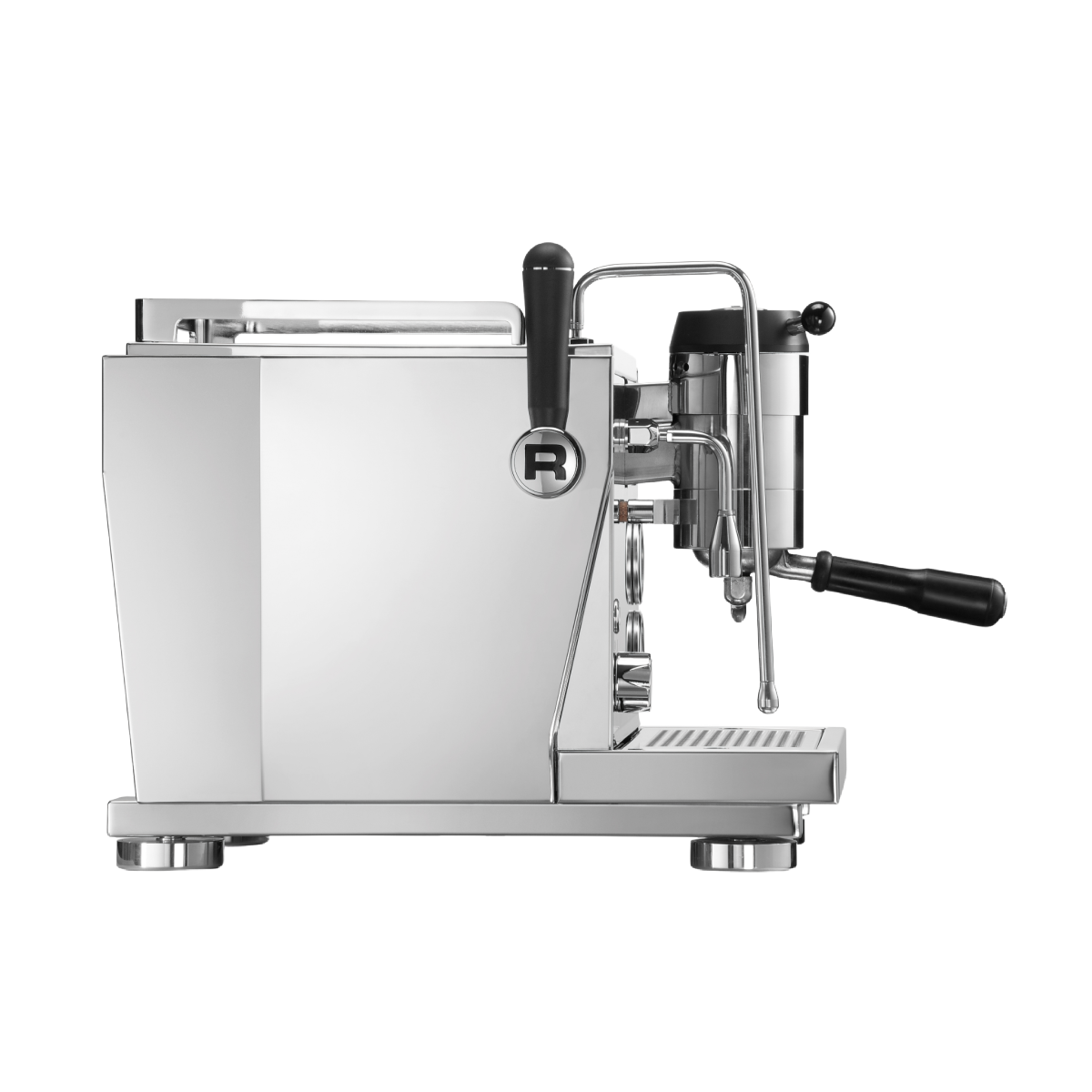
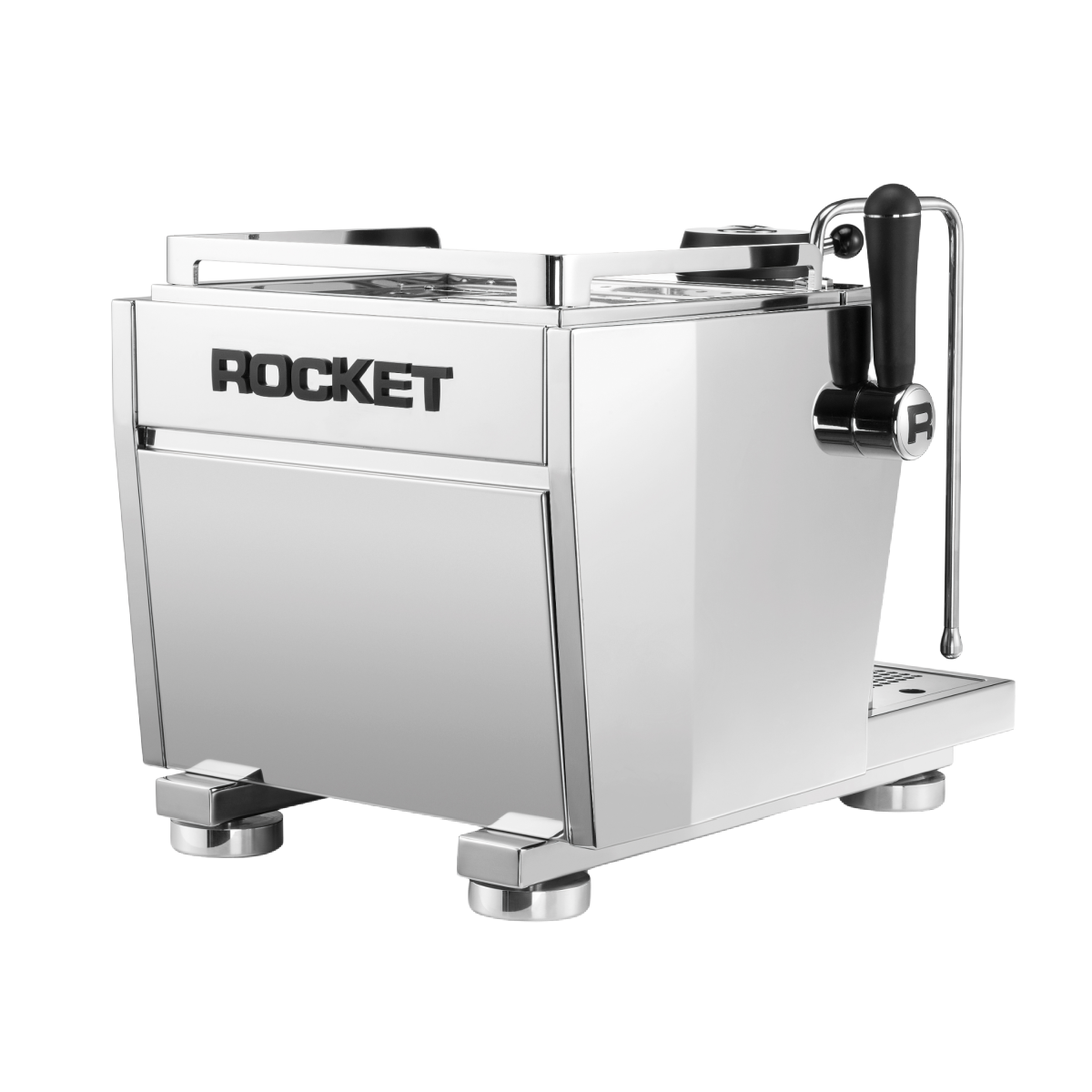
Rocket R Nine One Coffee Machine
Heating System
Heat Up Time
Width
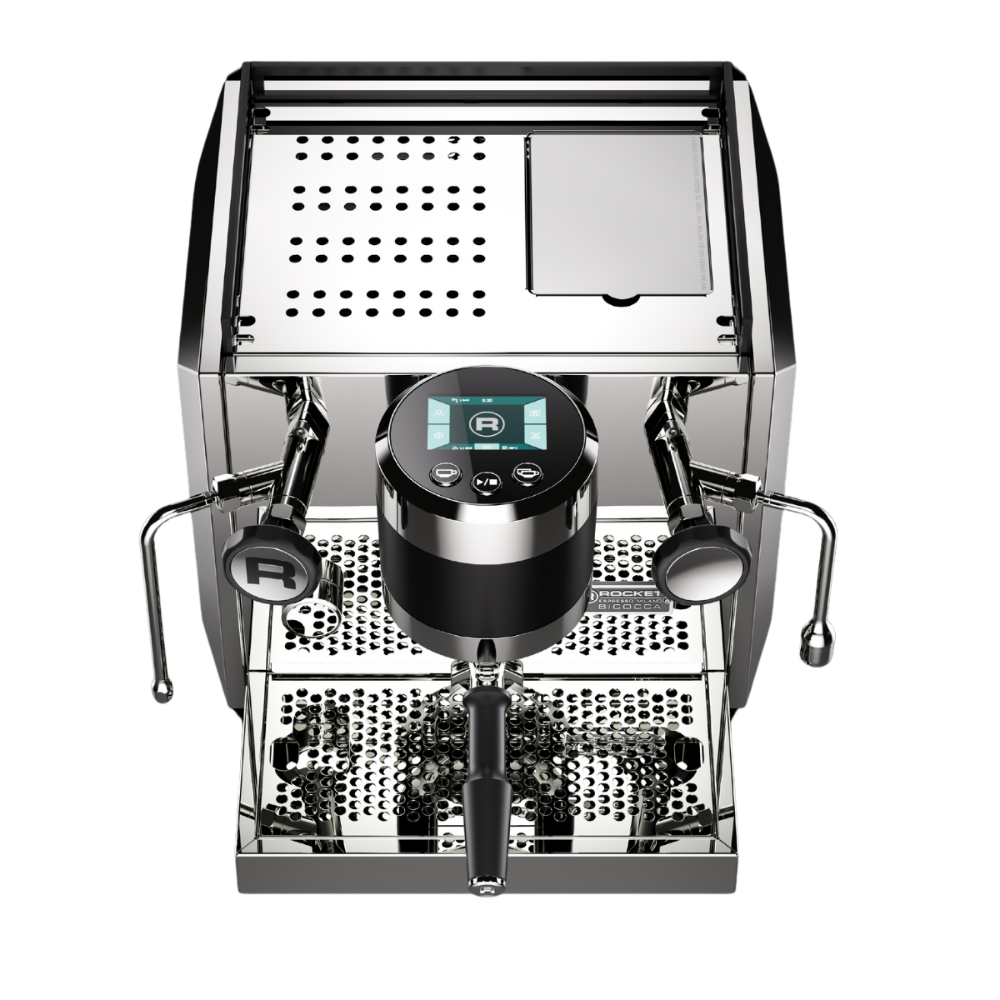
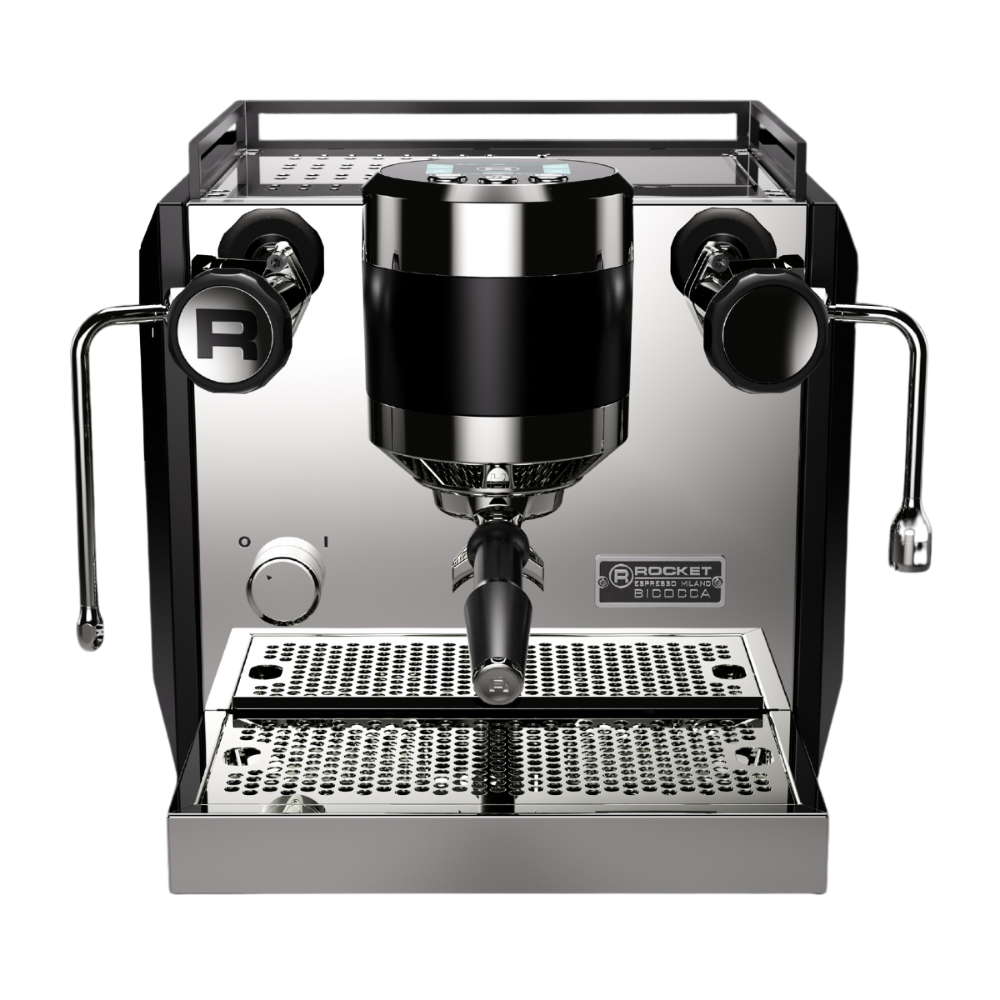
Heating System
Heat Up Time

Water Supply
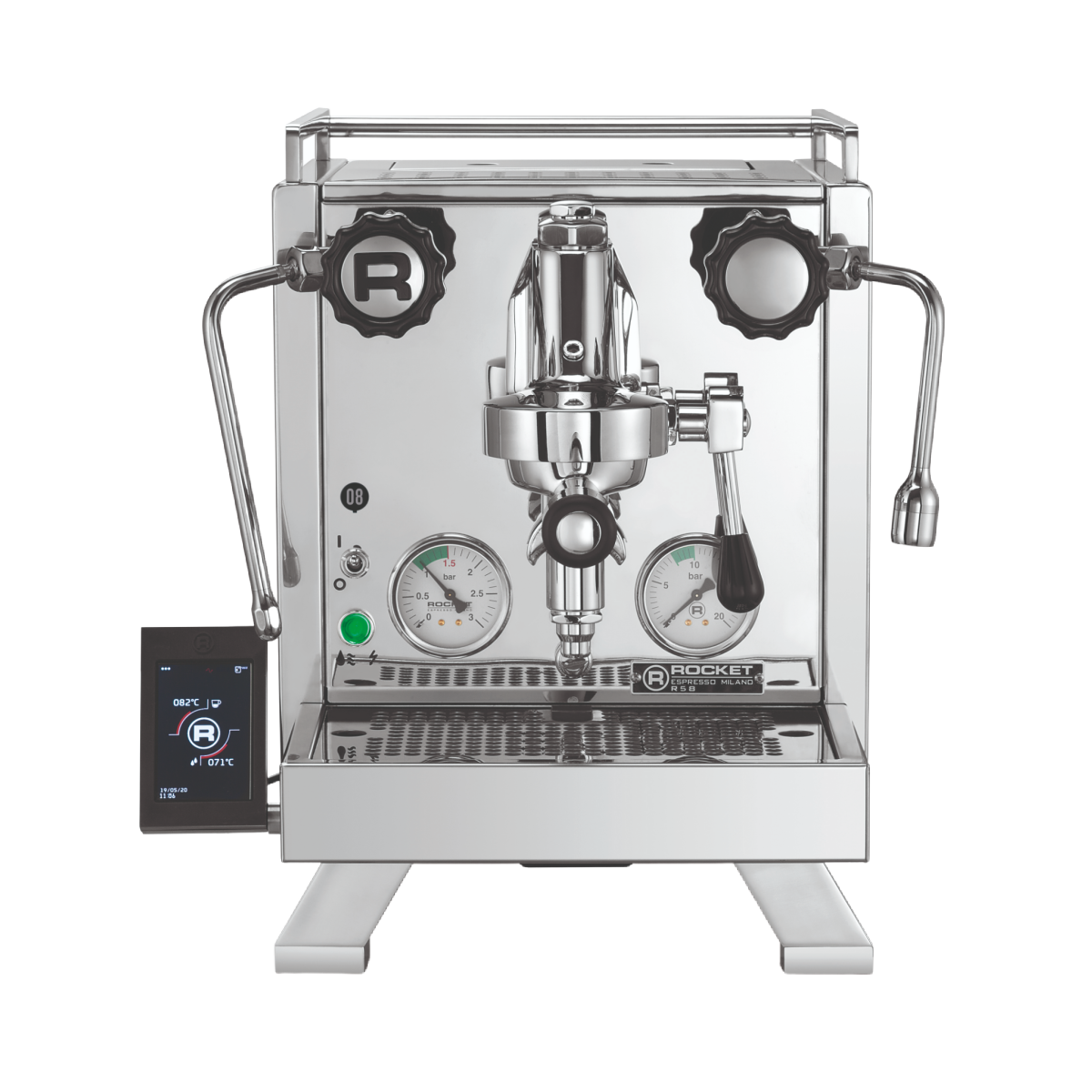
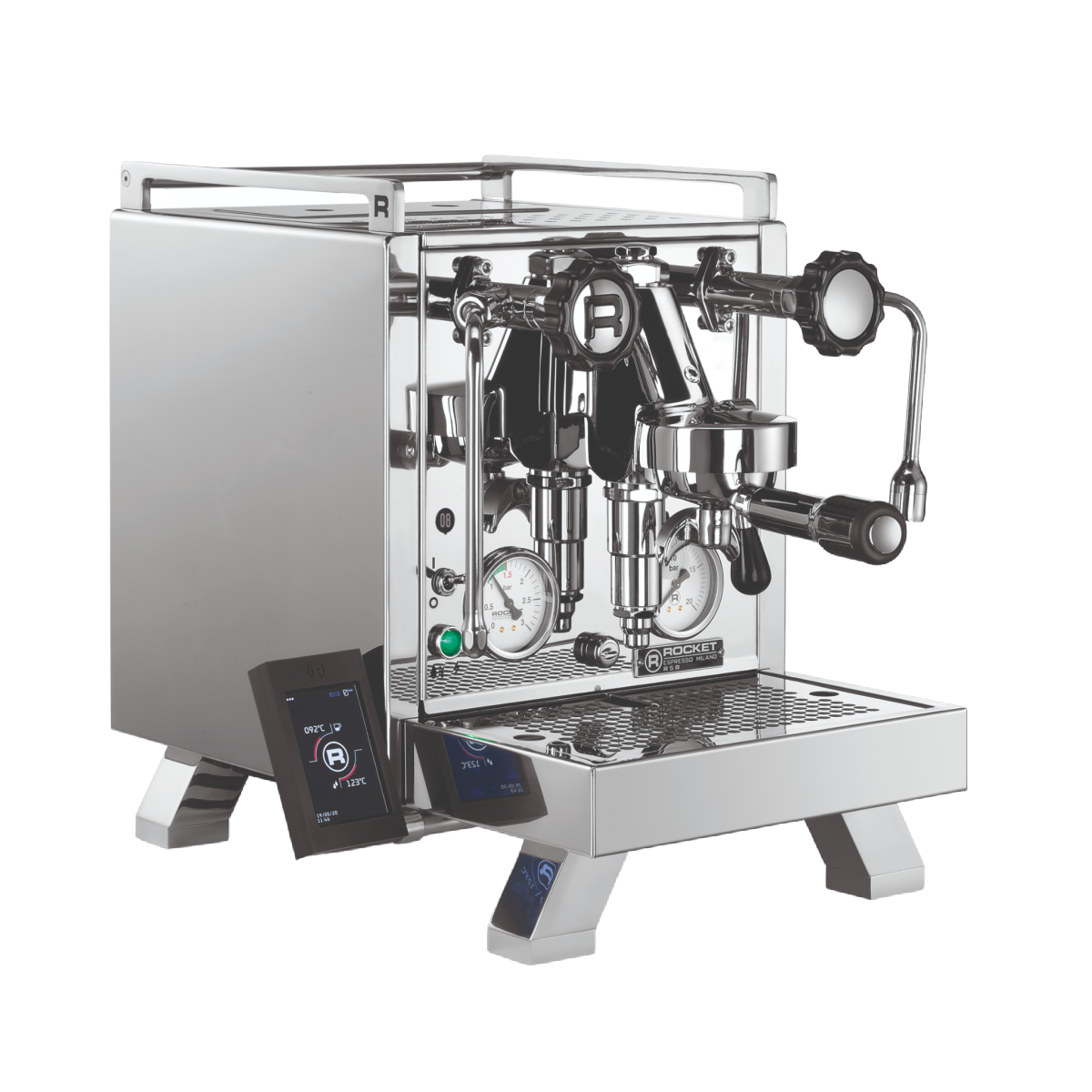
Rocket R Cinquantotto R58 Coffee Machine
Heating System
Heat Up Time
Water Supply


Profitec Ride Espresso Coffee Machine
Heating System
Heat Up Time
Width
How to choose a dual boiler espresso machine
A dual boiler machine has two boilers. The brew boiler has its own PID controller and holds the water for your shot at the temperature you set, and a separate steam boiler looks after milk and hot water. So you can pull a shot and steam at the same time, and the brew temperature never depends on the steam side. Every machine here is made in Italy or Germany and needs a separate grinder: see our coffee grinders. Start with whether you need one at all, then choose by group, profiling, plumbing, size and controls.
Dual boiler, heat exchanger or single boiler?
A single boiler machine brews, then raises its one boiler to steam temperature, so you wait between the shot and the milk. A heat exchanger keeps one larger boiler at steam temperature and heats the brew water on its way through, so you can brew and steam at once, but the brew temperature follows the steam boiler and you may need a cooling flush. A dual boiler lets you set the brew temperature directly, a little hotter for a light roast and cooler for a dark one. Choose a dual boiler if you make milk drinks back to back and change coffees often. If you mostly drink espresso, or make a coffee or two a day, a single boiler or heat exchanger may be all you need. On the Lelit and Profitec machines you can also switch the steam boiler off for espresso only.
E61, ring or saturated group
- E61: the Lelit Bianca V3, Profitec Ride, Profitec Drive and Rocket R58 Cinquantotto. The heavy chrome-plated brass group (4 kg on the Bianca) is built for thermal stability. Choose E61 for the classic look and feel.
- Compact groups: the Lelit Elizabeth V3 uses Lelit's own 58 mm commercial group and the Profitec Move an optimised ring brew group. Both suit a smaller bench and heat up quickly.
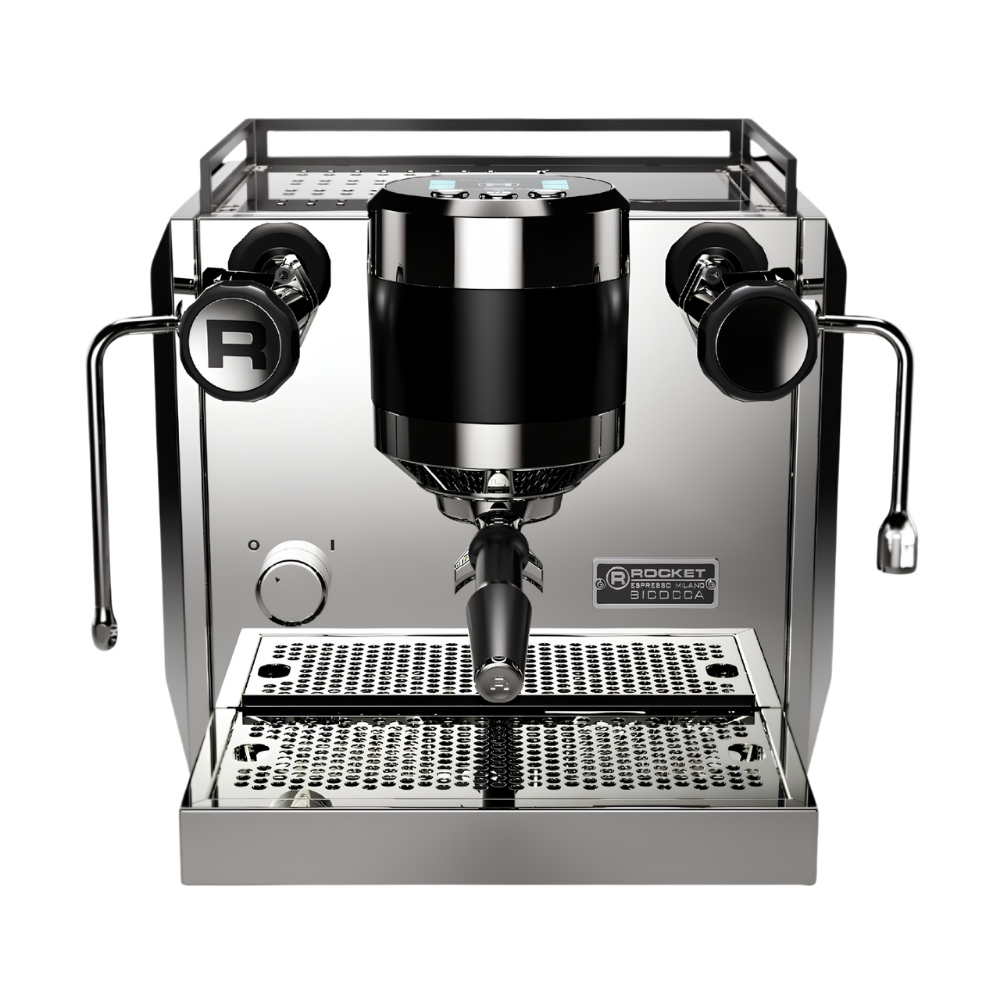
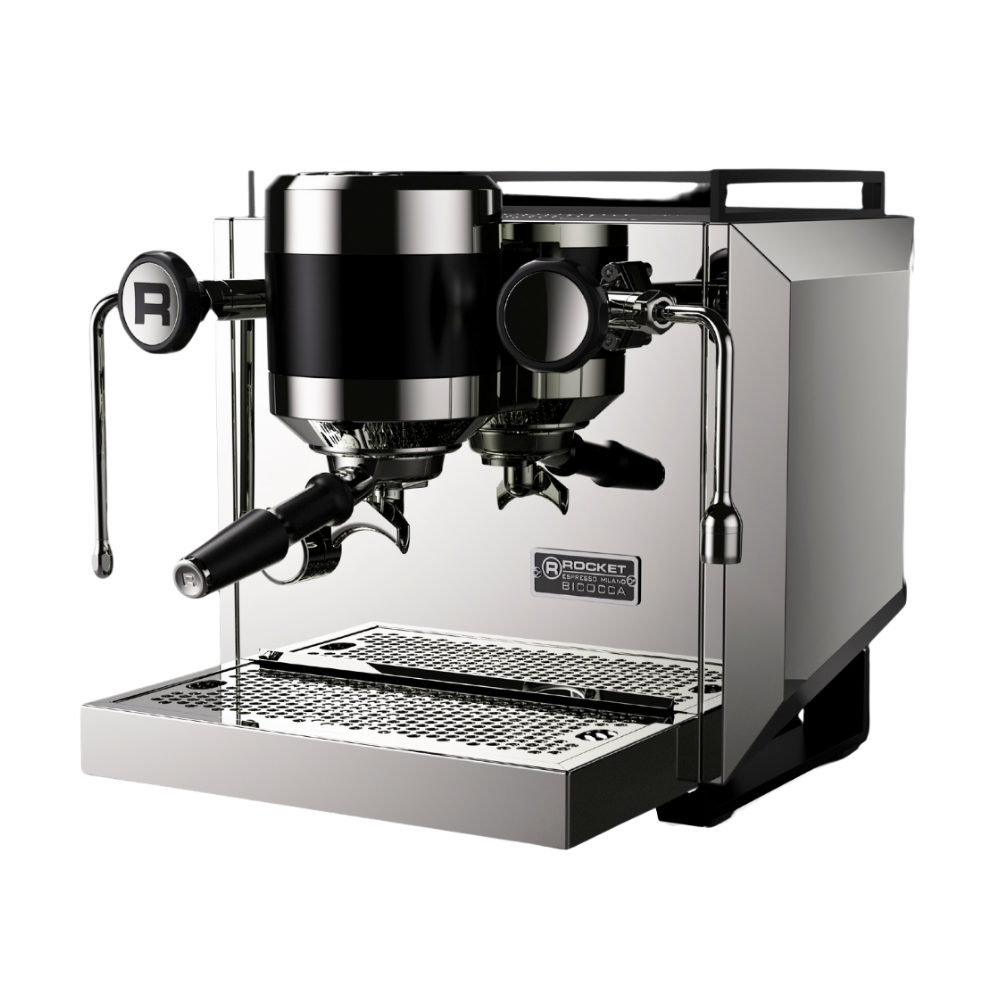
- Heated or saturated: the Rocket Bicocca has an electrically heated group with its own PID control, and the Rocket R Nine One a fully saturated group.
Pressure and flow profiling
Profiling means changing how water reaches the coffee during the shot. On the Bianca a paddle on the group changes the flow until full pressure is reached, and the V3 adds a programmable low flow at the start and end of the shot. The Drive has a flow control valve as standard, and you can order the Ride with or without one. The R Nine One goes furthest: full pressure profiling, set in real time with the group paddle and saved to one of five programs. The Elizabeth, Move, R58 and Bicocca have no flow control. The Elizabeth and Move offer programmable pre-infusion, and the Bicocca stores two volumetric recipes covering volume, pre-infusion and extraction time.
Water tank or plumbed in
The Bianca, Drive, R58, Bicocca and R Nine One can run from their tank or connect to a water line, and they use a rotary pump (a volumetric pump on the R Nine One). The Bianca, R58, Bicocca and R Nine One come with a plumbing kit and the Drive with a braided hose. Choose one of these if you want to stop refilling. The Elizabeth (2.5 litre tank), Move and Ride (2.8 litres each) are tank only, with quiet vibration pumps, and need nothing more than a power point.
Size and warm-up
Widths run from 27 cm for the Move, 29 cm for the Bianca, 30 cm for the Ride and 31 cm for the Elizabeth and R58, to 34 cm for the Drive and about 41 cm for the Bicocca and R Nine One. Boilers range from 300 ml brew and 600 ml steam on the Elizabeth, the smallest steam boiler here and better suited to a few milk drinks at a time than a long run, to 1.9 and 3.6 litres on the R Nine One. The Elizabeth and Ride are ready in about 10 minutes (the Ride heats both boilers together), the Move in 10 to 12 with Fast Heat-Up mode, the Bicocca in 8 to 10, the Drive in 12 to 13 with Fast Heating on, and the Bianca in about 20.
Controls and timers
The Lelits use the Lelit Control Centre for temperatures, pre-infusion and a shot clock. The Profitecs have an OLED display with a shot clock, ECO mode and programmable on and off times, plus dose buttons on the Move. The R58 has a removable touchscreen pod with an on and off timer, and the Bicocca and R Nine One have a touch display. Compare the full ranges from Lelit, Profitec and Rocket.
Delivery and advice
Orders over $200 ship free Australia-wide, and delivery under $200 is a flat $9.95. In-stock orders placed before 3pm Melbourne time are dispatched the same day. Not sure what suits your machine? Call or email us with the model and we'll help.
FAQs
Is a dual boiler coffee machine worth it?
It is if you make milk drinks for more than one person, or you like to change beans and roast levels and want to set the brew temperature to suit each one. You can brew and steam at once with no cooling flush, and the temperature you set is the one the coffee gets. It is less worth it if you mostly drink espresso, a coffee or two a day: a single boiler machine does that well for less. If you rarely steam, the Lelit and Profitec machines let you switch the steam boiler off, and the Profitec Move, Ride and Drive can run as single boiler machines.
What is the difference between a heat exchanger and a dual boiler machine?
Both let you brew and steam at the same time. A heat exchanger, such as the Lelit Mara X or Rocket Appartamento, runs one boiler at steam temperature and heats fresh brew water through a tube inside it, so the brew temperature depends on the steam boiler and you may flush some water through before a shot. A dual boiler gives the brew water its own boiler and PID controller, so you dial in a number and it holds there. Heat exchangers are usually smaller and cheaper. Dual boilers give you direct control and steady results when you change coffees.
What is a double boiler espresso machine?
The same thing as a dual boiler: one boiler for brewing and one for steam and hot water, each with its own temperature control. The boilers differ in size and material. The Lelit Elizabeth pairs a 300 ml brass brew boiler with a 600 ml stainless steel steam boiler, and the Profitec Move a 0.4 litre brass brew boiler with a 0.75 litre stainless steam boiler. The Bianca, Ride, Drive, Bicocca and R Nine One use stainless steel for both boilers.
Is flow control the same as pressure profiling?
Not quite. A flow control valve or paddle, as on the Profitec Drive, the Ride with flow control and the Lelit Bianca, changes how fast water reaches the coffee, and you watch the brew gauge to see the pressure that results. Profitec's Drive manual gives a starting point: close the valve fully, then open it about 1 1/4 turns for a classic espresso at around 9 bar and roughly 10 to 12 g of water a second. The Rocket R Nine One uses PID pressure control instead, so you set the pressure itself with the paddle and can save a profile to one of five programs.
What do I need to plumb in a dual boiler espresso machine?
A water line near the bench and a machine built for it: here, the Lelit Bianca, Profitec Drive, Rocket R58, Bicocca or R Nine One. Each comes with the hose or kit to connect it, and each can still run from its tank if you move it. Check the line pressure first: Profitec's Drive manual says the supply must not exceed 2 bar, so tell us your mains pressure and we'll advise. A plumbed machine skips the in-tank filter, so fit filtration on the supply line. The Elizabeth, Move and Ride are tank only.
Do dual boiler machines need a water filter?
Yes, filtered or softened water protects both boilers from scale. The tank machines come ready for it: the Lelit Bianca and Elizabeth include a water softening filter, and the Profitec tanks have a built-in adapter for a filter cartridge, with a filter change reminder on the Ride and Drive. Lelit rates its in-tank filter for 70 litres. If you plumb the machine in, the tank filter no longer treats your water, so filter the supply line instead.