



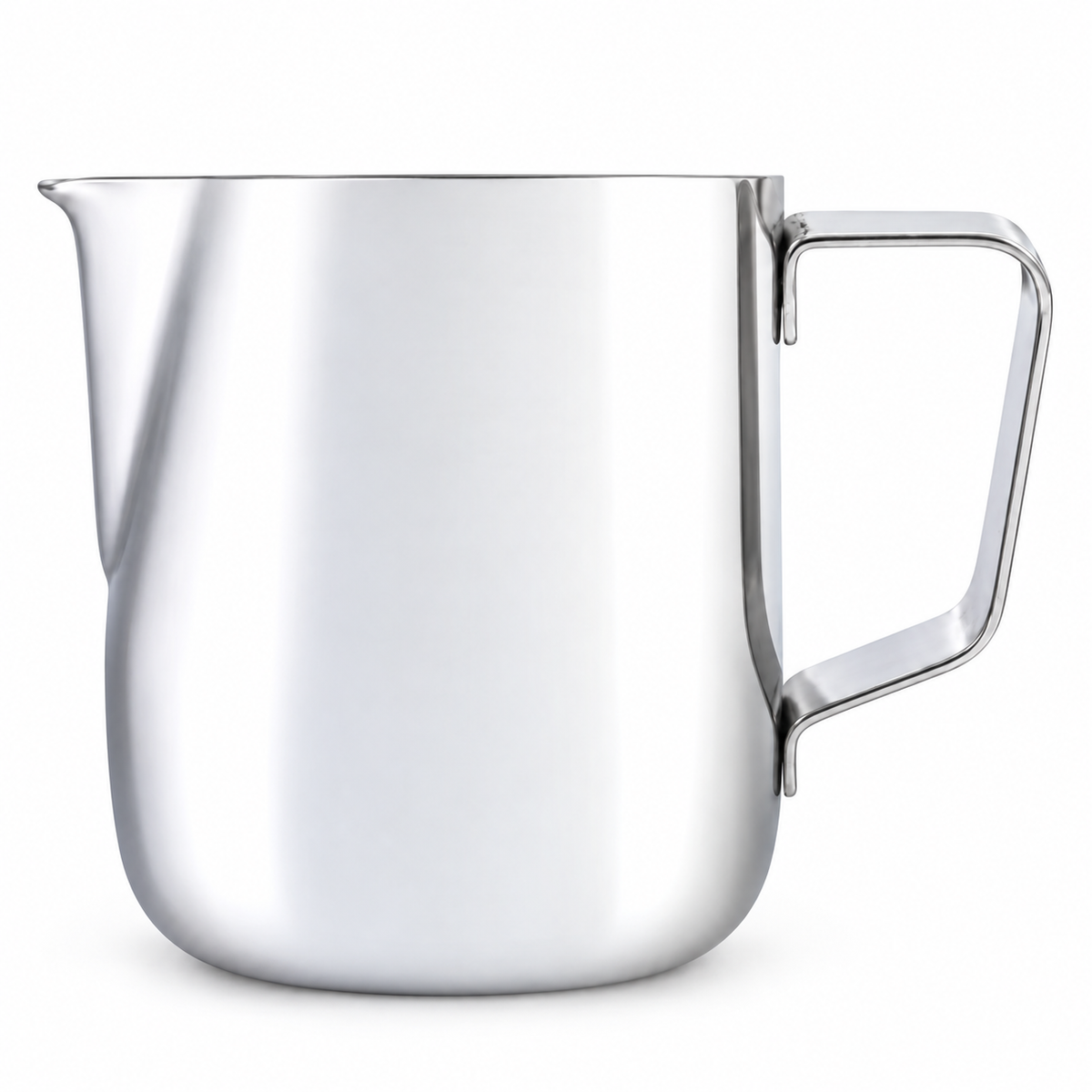


Barista Progear Stainless Steel Milk Jug


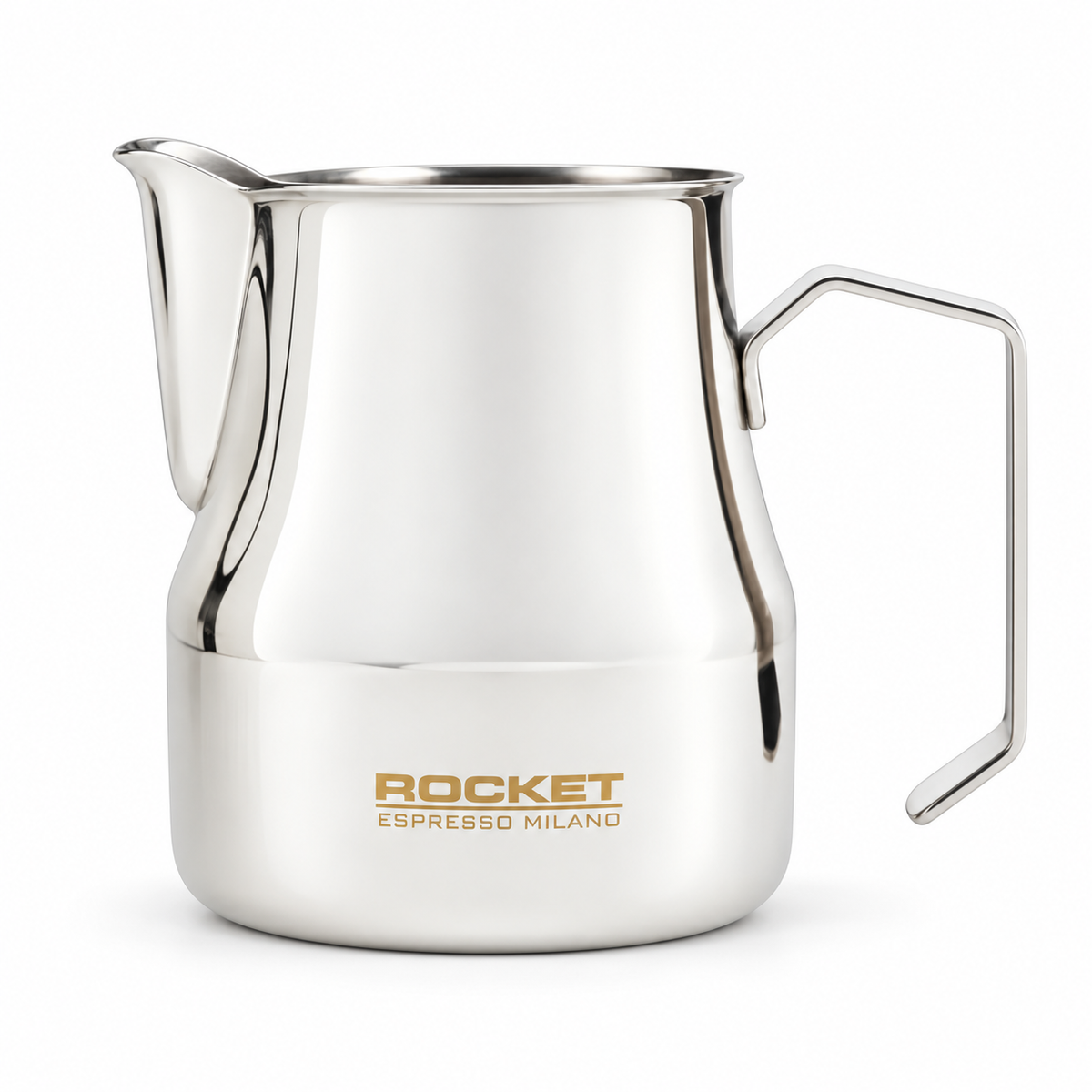
Rhino Professional Milk Frothing Jug




Grindenstein Coffee Knock Box Big


Lelit Knock Box Drawer - PLA360M


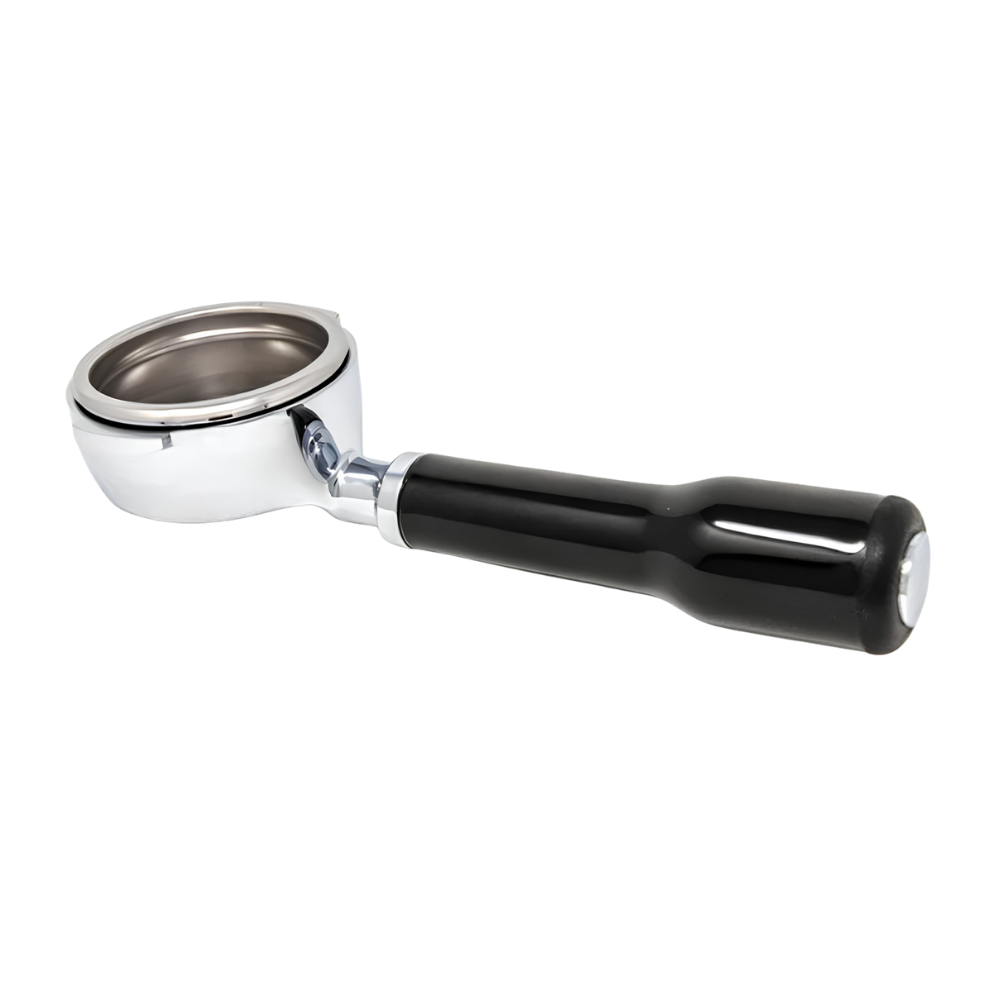
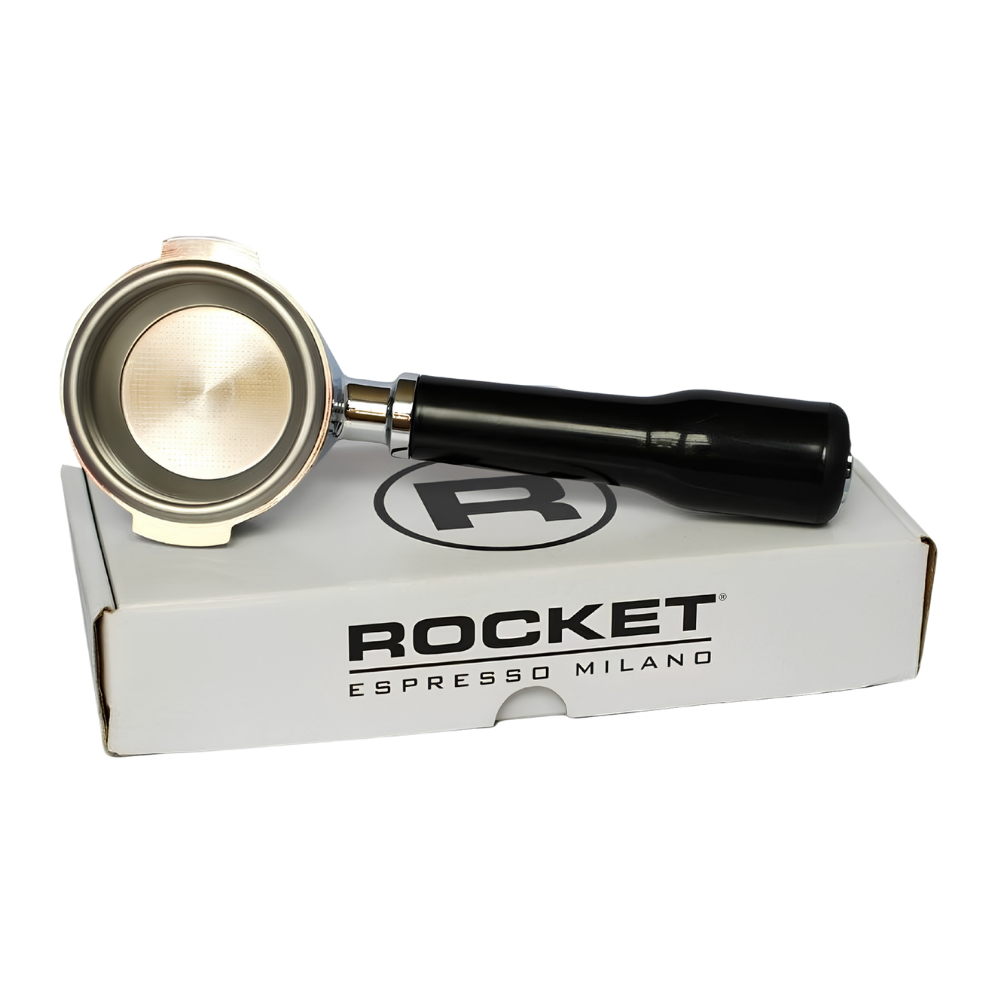


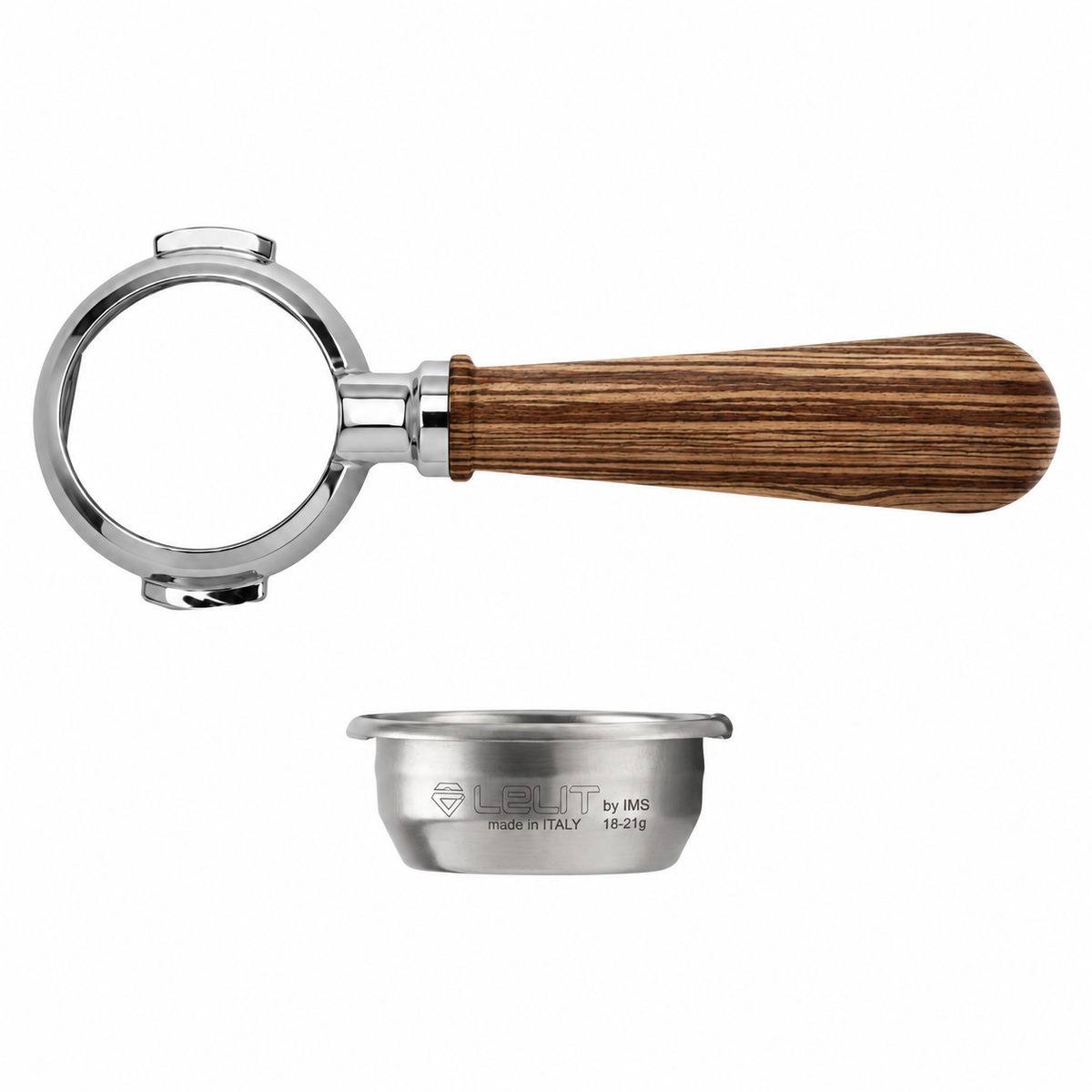
Lelit Double Wooden 58mm Portafilter

















Fellow Atmos Electric Vacuum Canister


Airscape Coffee Storage Canisters




Cafetto Barista Microfibre Cloth Set


How to choose barista supplies
Most espresso problems come down to puck prep, milk or mess, and the right tools help with all three. Use this guide to work out what fits your machine and the way you make coffee.
Start with your basket size
Tampers, portafilters, filter baskets and dosing rings have to match your machine's basket diameter. Most of the tools here are for 58mm groups, including the Profitec 58mm bottomless portafilter, the Lelit 58mm portafilters and the VST precision baskets. The Lelit bottomless 57mm portafilter is for machines with a 57mm group. Check your machine's manual before you order.
Tampers and puck prep
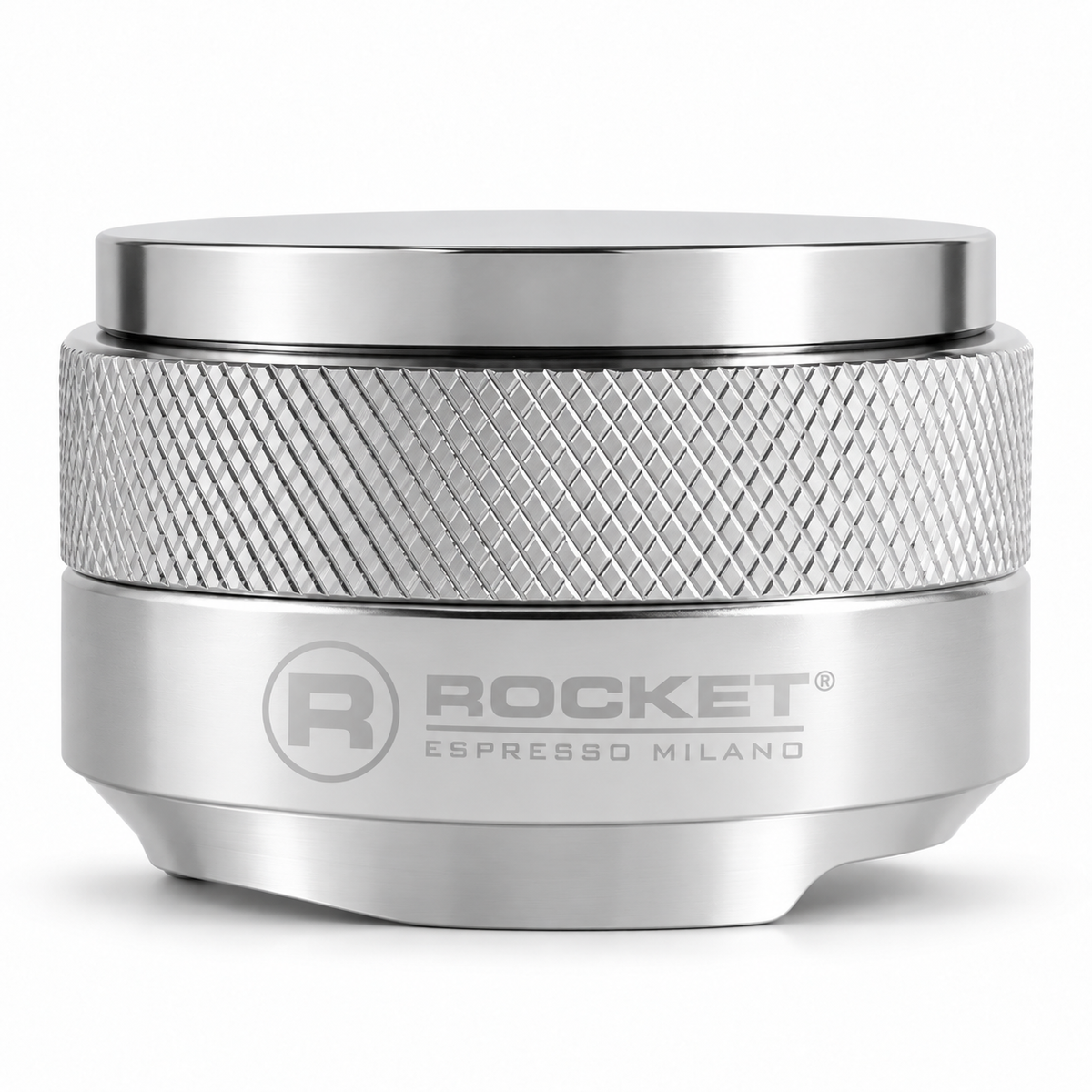
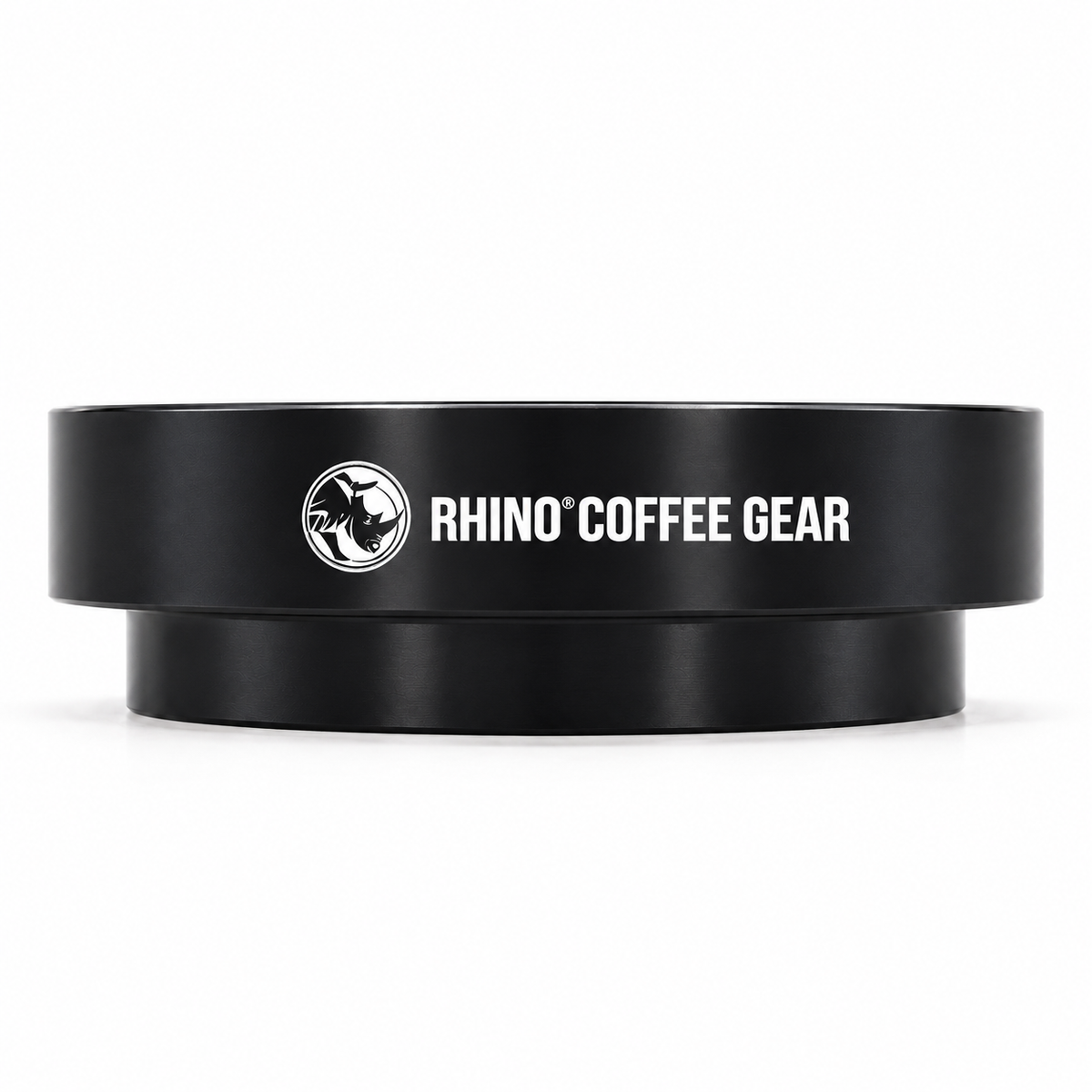
A tamper should fill the basket and leave only a small gap at the edge. If it's too small, it leaves a ring of loose coffee where water can channel. The Lelit tamper and the Precise Fit tamper are hand tampers for everyday use. Before you tamp, a WDT tool such as the Barista Progear Clump Crusher breaks up clumps with fine needles, and a dosing ring keeps the grounds in the basket while you stir. The Rocket 2 in 1 has levelling blades on one side and a tamper on the other, and both sides adjust in height. For busy cafés, the Cinoart PT2 automatic tamper presses at a programmable pressure every time. A tamping mat or tamping stand protects your bench and portafilter.
Portafilters and filter baskets
A bottomless portafilter lets you watch the shot leave the basket. You can see channelling (jets spraying from one spot) and then fix your distribution or tamp. VST precision baskets come ridged or ridgeless. Ridged baskets have a groove that locks into the spring clip of a spouted portafilter. Ridgeless baskets have smooth walls, are easier to clean and suit bottomless portafilters. Choose a basket rated for the dose you normally use.
Milk jugs and thermometers
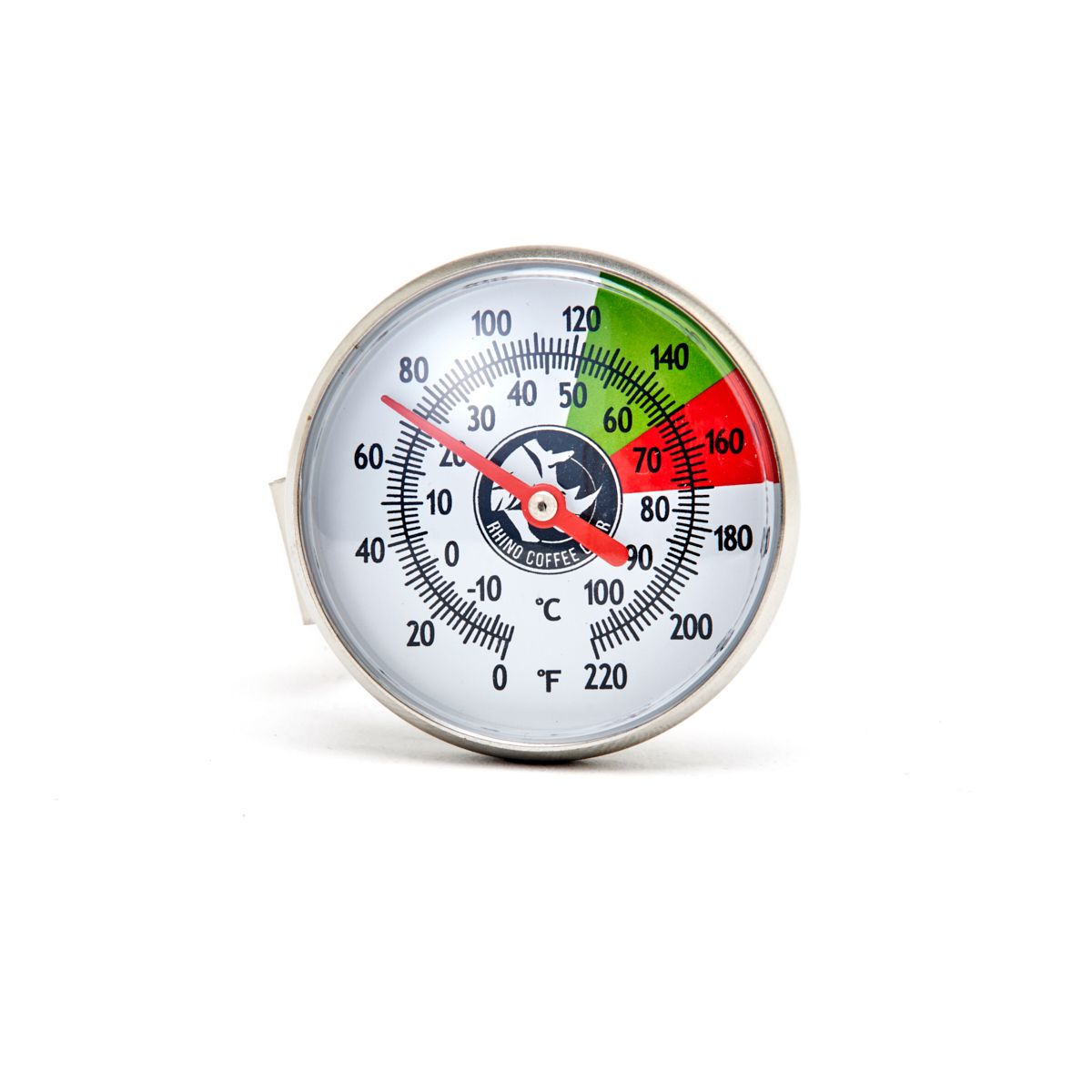
Choose a jug by drink size: a smaller jug for a single flat white or cappuccino, and a larger one for lattes or two drinks at once. Fill it to about halfway so the milk has room to stretch. With stainless steel you can feel the milk warming through the jug, and a milk thermometer such as the Rhino Short Thermometer takes out the guesswork while you learn. Jugs range from the Barista Progear jug and the Rhino Professional jug to the Rocket milk jug.
Knock boxes
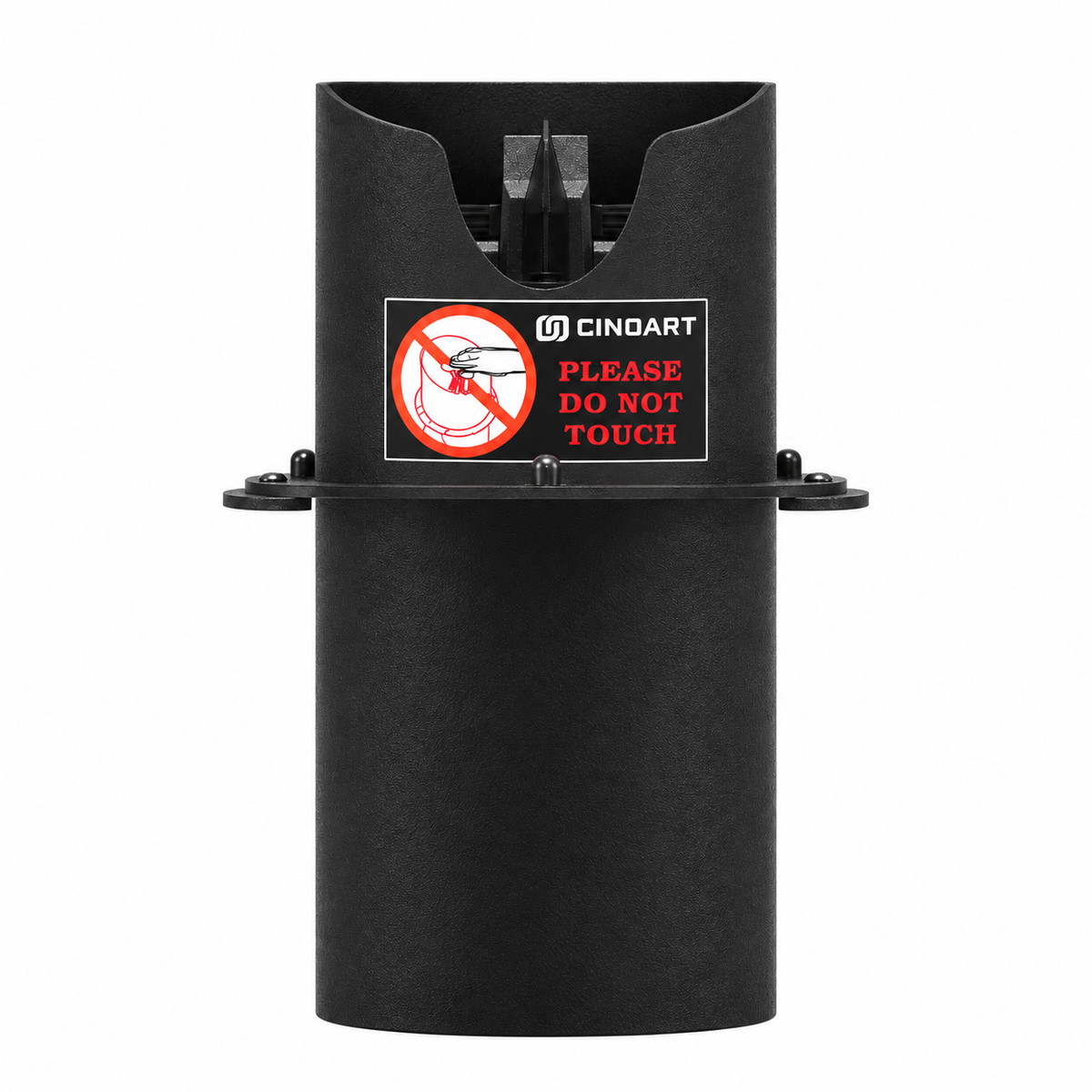
Pick a knock box by how many shots you pull between empties and how much bench space you have. Compact boxes such as the Grindenstein and the Rhino stainless steel knock box suit home setups. Drawer knock boxes sit under your grinder: the Lelit PLA360M holds up to 70 pucks of 14g, and the Eureka Mignon drawer is designed to sit under a Mignon grinder. For cafés, the Rhino Thumpa 860 is a floor-standing knock tube that takes biodegradable liners. Whichever you choose, look for a rubber-covered bar that won't damage your portafilter.
Scales, dosing cups and bean storage
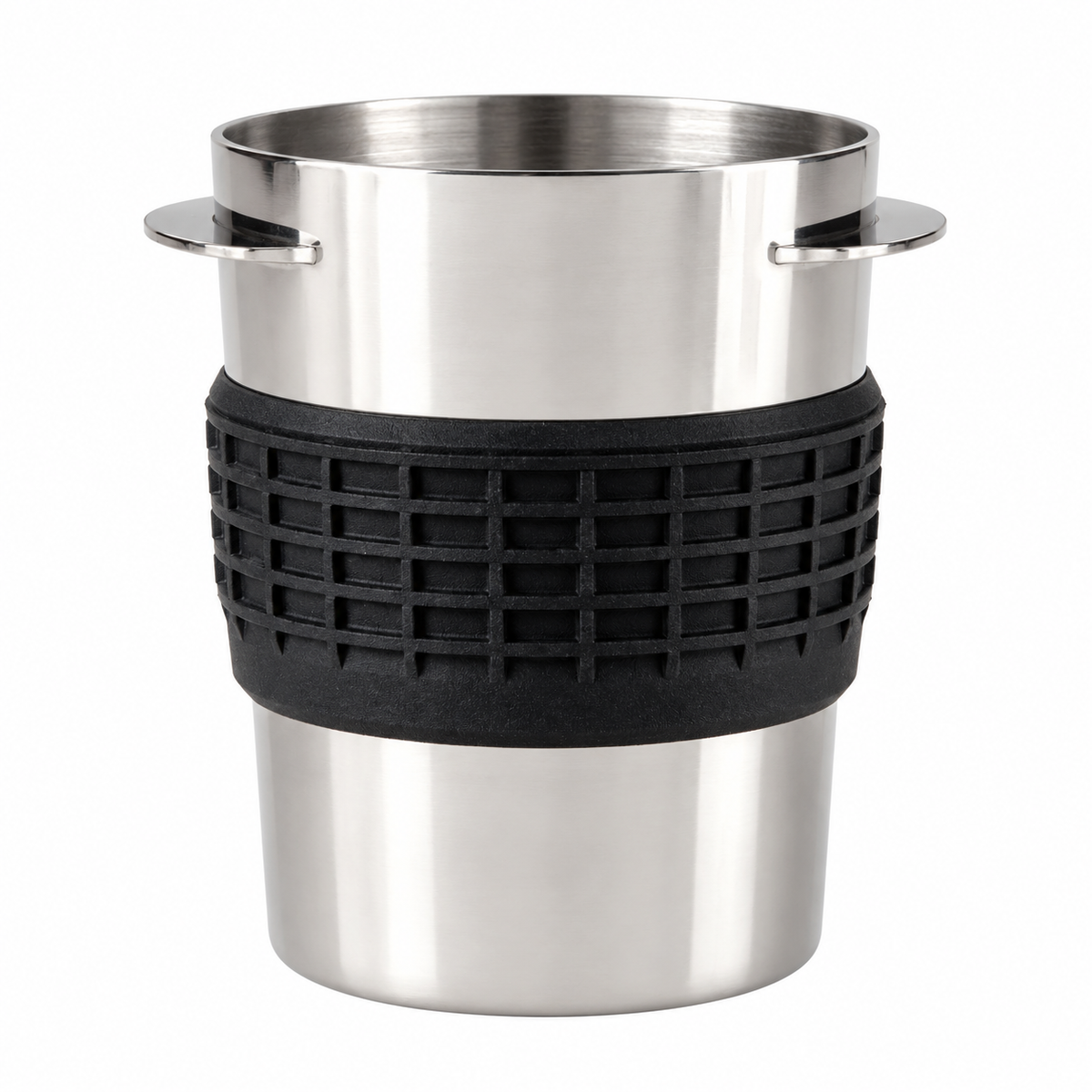
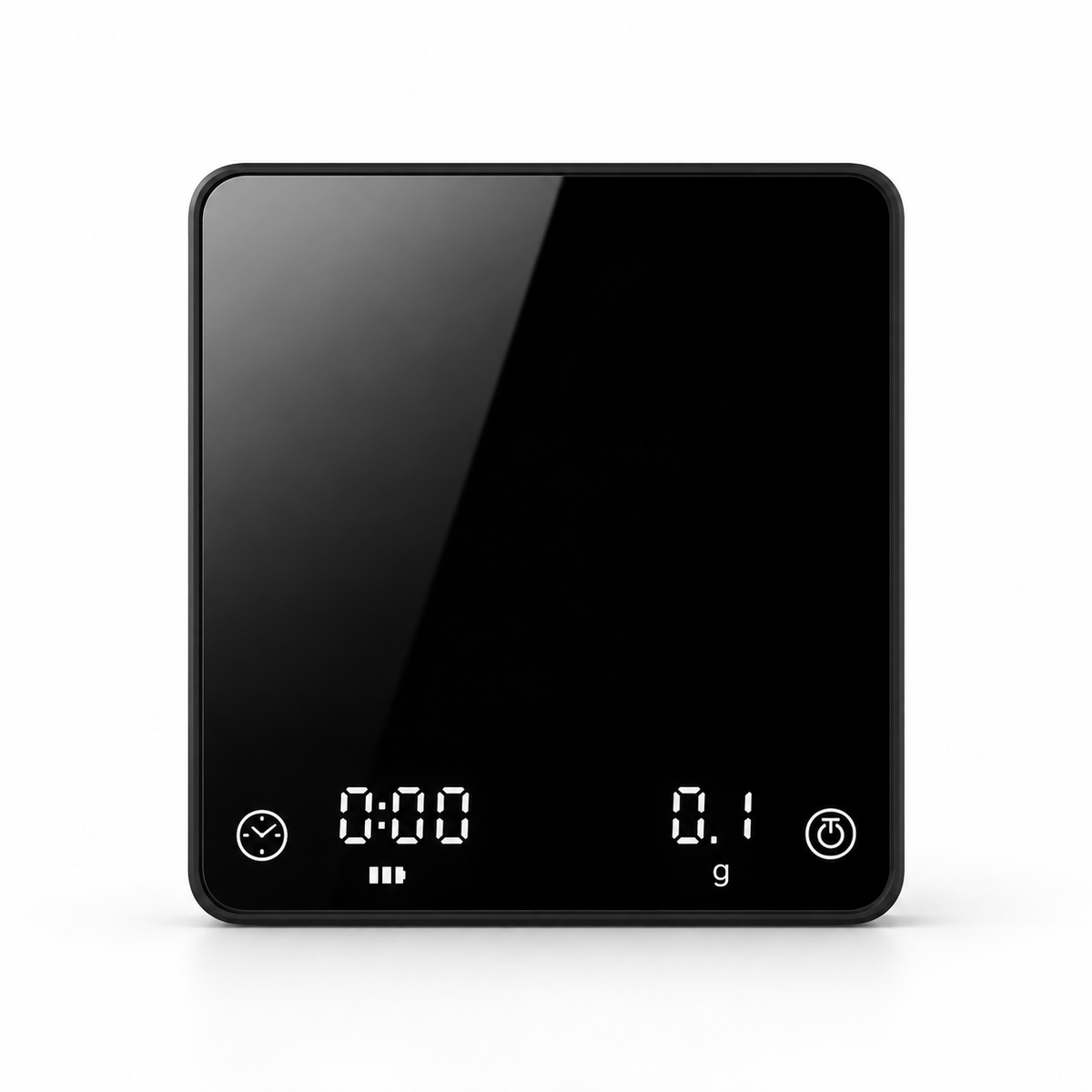
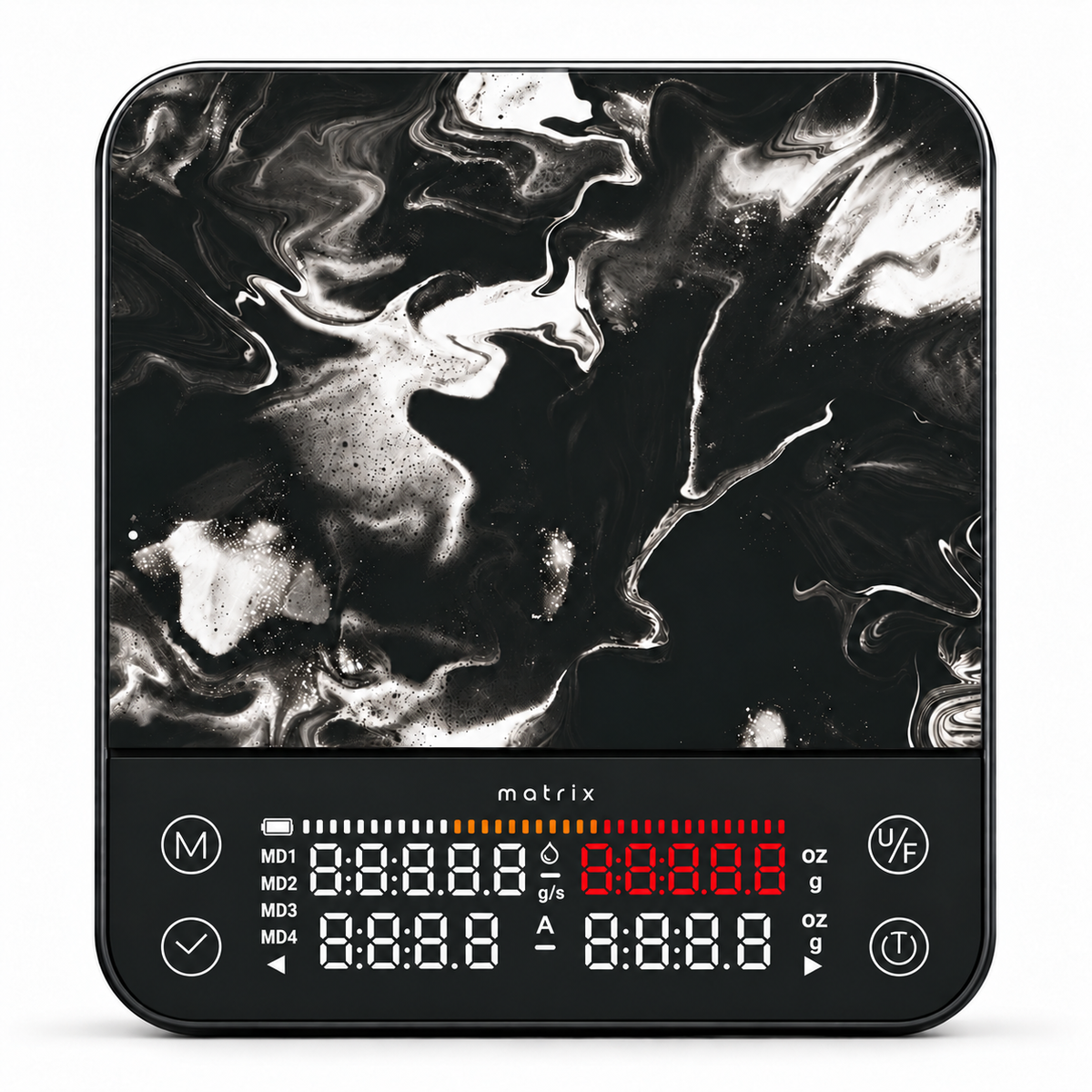
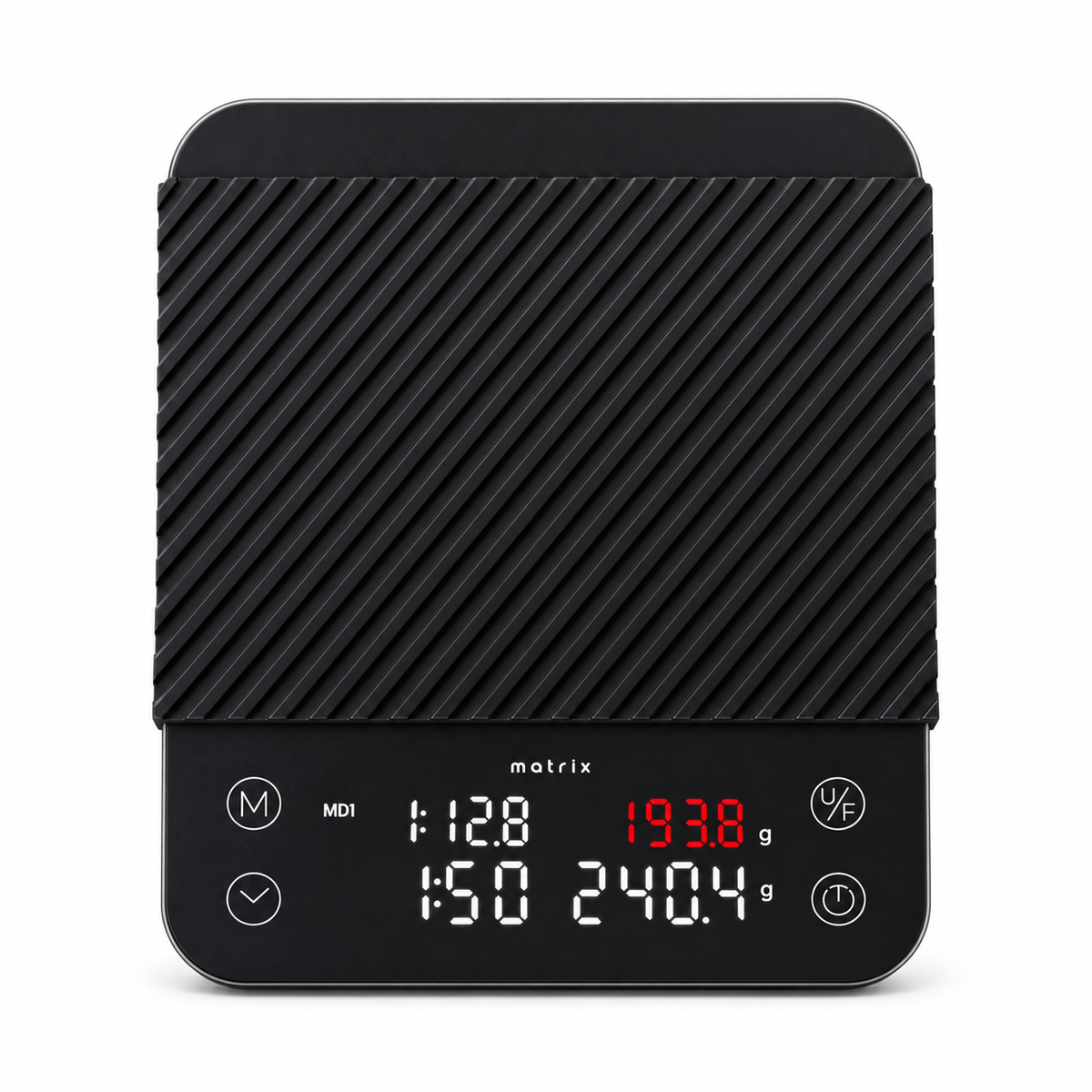
Weighing the coffee you put in and the espresso you get out is the quickest way to make your shots repeatable. The Matrix scales and the Coffee Gear bench scale sit on the drip tray or bench, and a dosing cup catches grounds straight from the grinder. For beans, the Fellow Atmos creates a vacuum at the push of a button (whole beans only). The Airscape canister uses a plunger lid with a one-way valve to push air out.
Cleaning tools
Brushing every day keeps old coffee oils off your group head and milk residue out of your steam wand. The group head brush, Cafetto milk cleaning brushes and Cafetto microfibre cloths cover the basics. Pair them with products from our coffee machine cleaner range.
Buying for a café or office
Cafés, offices and other businesses can apply for a business account for B2B pricing on fresh coffee, up to 25% off RRP. We ship Australia-wide. Orders placed by 3pm Melbourne time on business days are dispatched the same day, and delivery is free on orders over $200.
FAQs
What barista supplies do I need to make espresso at home?
Start with four things: a tamper that fits your basket, a stainless steel milk jug if you drink milk coffee, a knock box for used pucks and a scale to weigh your dose and shot. A tamping mat, a WDT tool and a group head brush are the next most useful additions. A good grinder matters more than any accessory, so if you don't have one yet, start with our coffee grinders.
What size tamper do I need?
Match the tamper to the inside of your filter basket, not to the portafilter handle. Many prosumer and commercial machines use 58mm baskets, and some home machines use smaller ones. The tamper should fit snugly with only a small gap at the edge. A loose fit leaves untamped coffee around the rim, and water channels through it. Check your machine's manual, or measure the inside of the basket at the top.
What is a coffee knock box?
A knock box is a container with a padded bar across the top. You tap the portafilter on the bar and the used puck drops in, which keeps wet grounds out of the sink. Choose one by capacity and bench space: a compact box for home, a drawer that sits under your grinder to save space, or a floor-standing knock tube for a café.
Should I buy a ridged or ridgeless filter basket?
It depends on your portafilter. Ridged baskets have a groove around the outside wall that locks into the spring clip of a standard spouted portafilter, so they stay put when you knock out the puck. Ridgeless baskets have smooth walls, are easier to clean and suit bottomless portafilters, but may need a firmer spring to stay in a spouted one. VST uses the same hole pattern for both styles.
What does a WDT tool do?
A WDT (Weiss Distribution Technique) tool uses fine needles to stir the ground coffee in the basket before you tamp. It breaks up clumps and evens out the coffee bed, so water is less likely to channel through weak spots. The technique is named after John Weiss, who shared it on the Home-Barista forum in 2005. A dosing ring on top of the basket stops grounds from spilling while you stir.
Why use a bottomless portafilter?
With the spouts removed, you can see the bottom of the basket while the shot runs. An even flow means even extraction. Jets spraying sideways, or pale patches, show channelling, which usually comes from uneven distribution or tamping. That makes a bottomless portafilter a useful training tool. It needs tidy puck prep, so some cafés keep spouted portafilters for daily service.
Do you sell barista supplies to cafés and businesses?
Yes. Businesses can buy barista supplies in bulk and apply for a business account for B2B pricing on coffee, up to 25% off RRP. We deliver Australia-wide, and orders placed by 3pm Melbourne time on business days are dispatched the same day. Delivery is a flat $9.95 under $200 and free over $200.