






Airscape Coffee Storage Canisters


Fellow Atmos Electric Vacuum Canister




Bruer Spectrum Cone Coffee Filter Papers - 100pk




Moccamaster KM5 Coffee Grinder


Eureka Mignon Specialita 55E Coffee Grinder


Eureka Mignon XL 65E Coffee Grinder


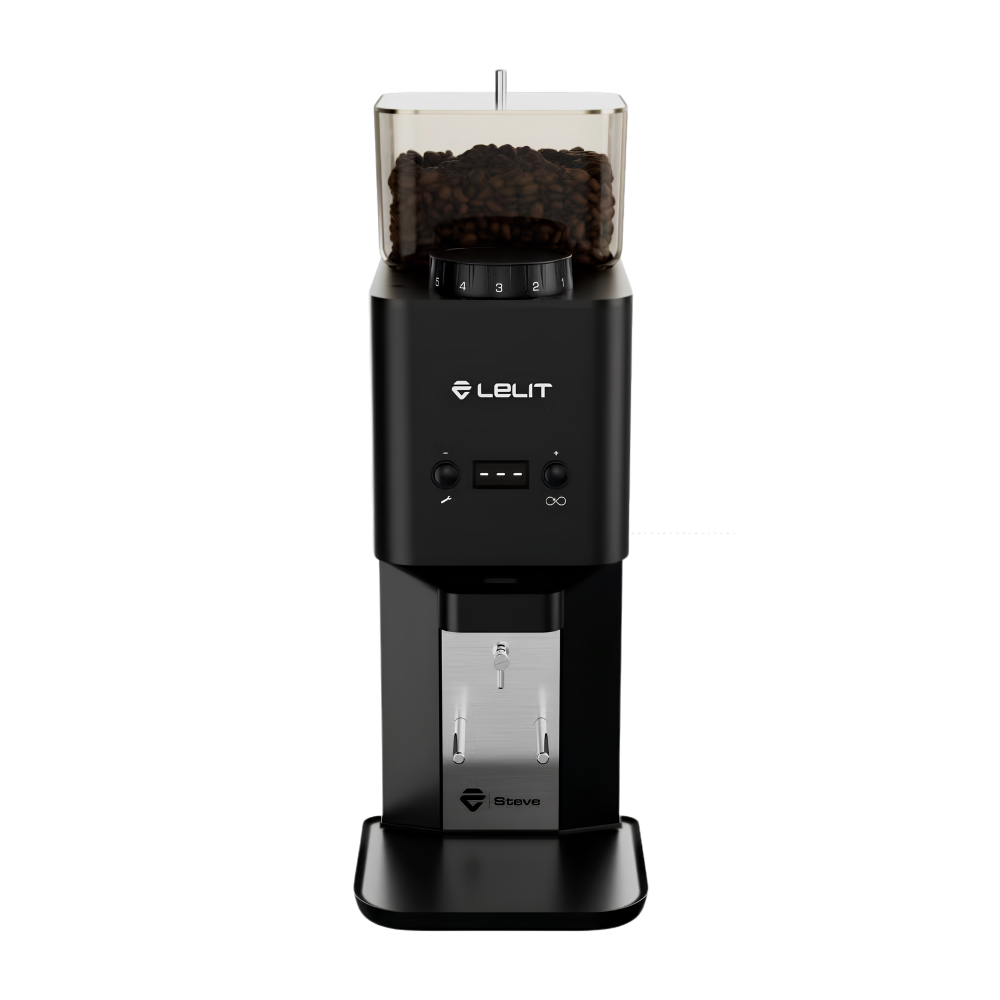
Lelit PL72 William Coffee Grinder

Profitec Pro T64 Coffee Grinder


Eureka Mignon Libra 55E Coffee Grinder


DF64 Gen II Single Dose Coffee Grinder


Profitec Twist A54 Coffee Grinder


Eureka Mignon Single Dose Pro Coffee Grinder


Eureka Atom 60E Coffee Grinder
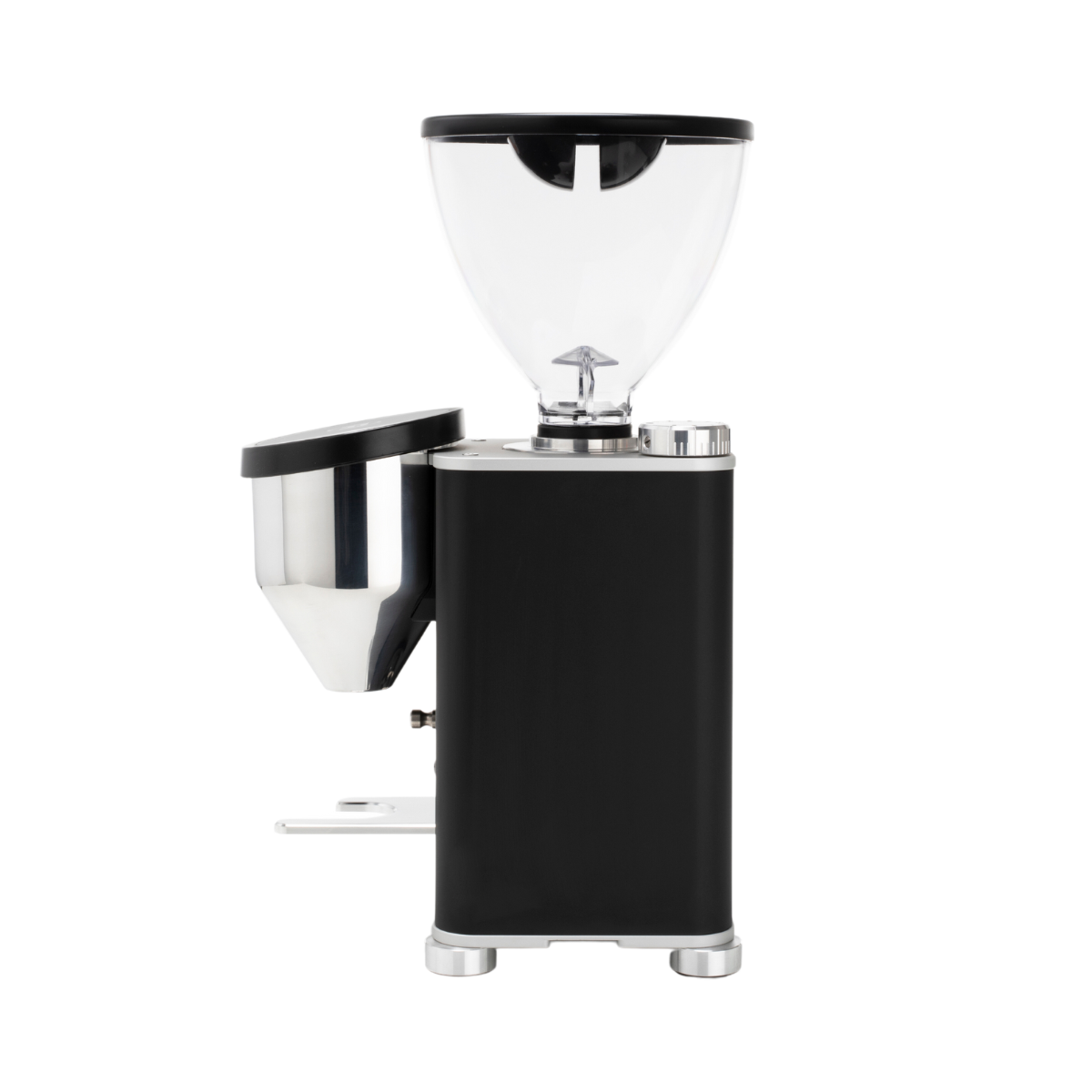
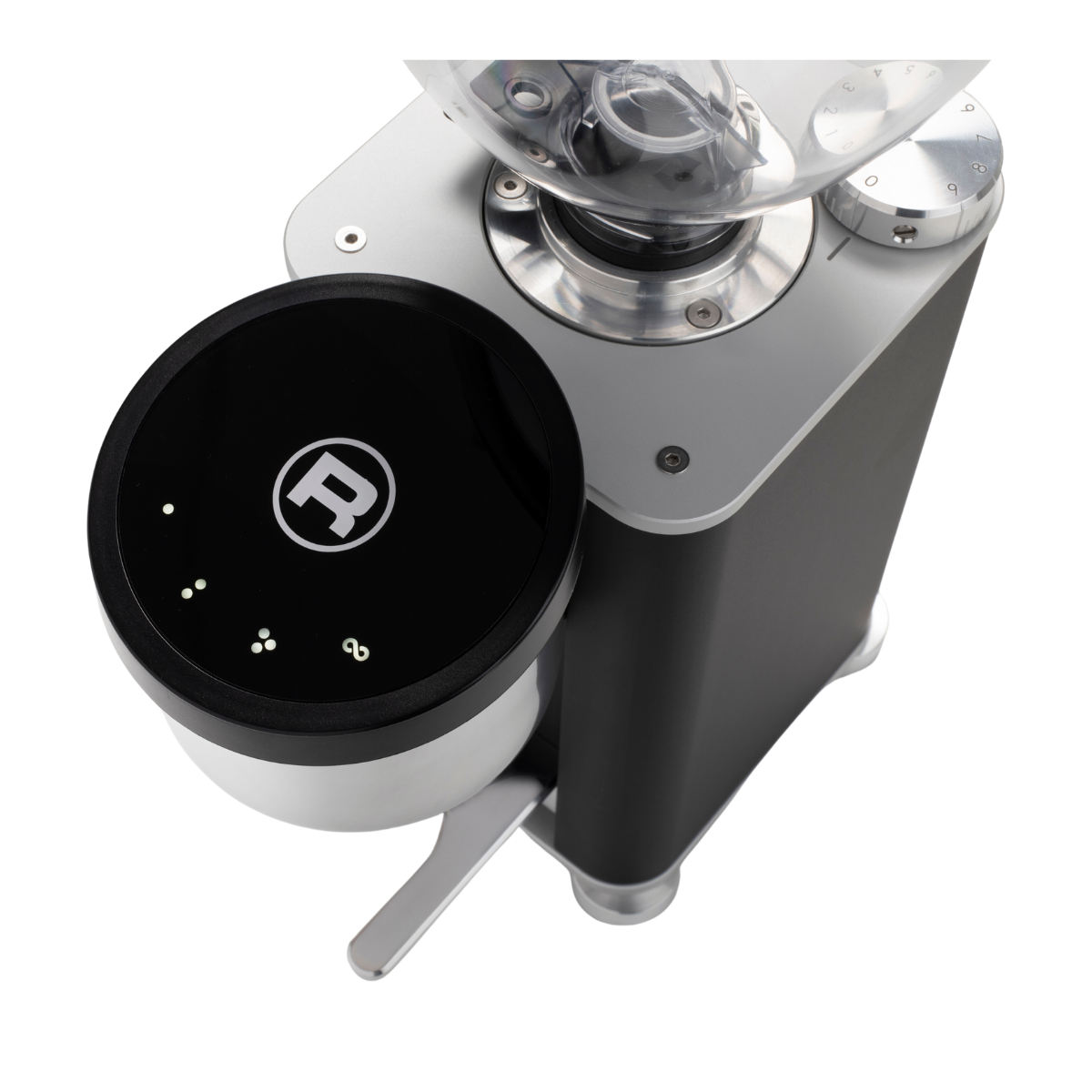
Rocket Giannino Coffee Grinder

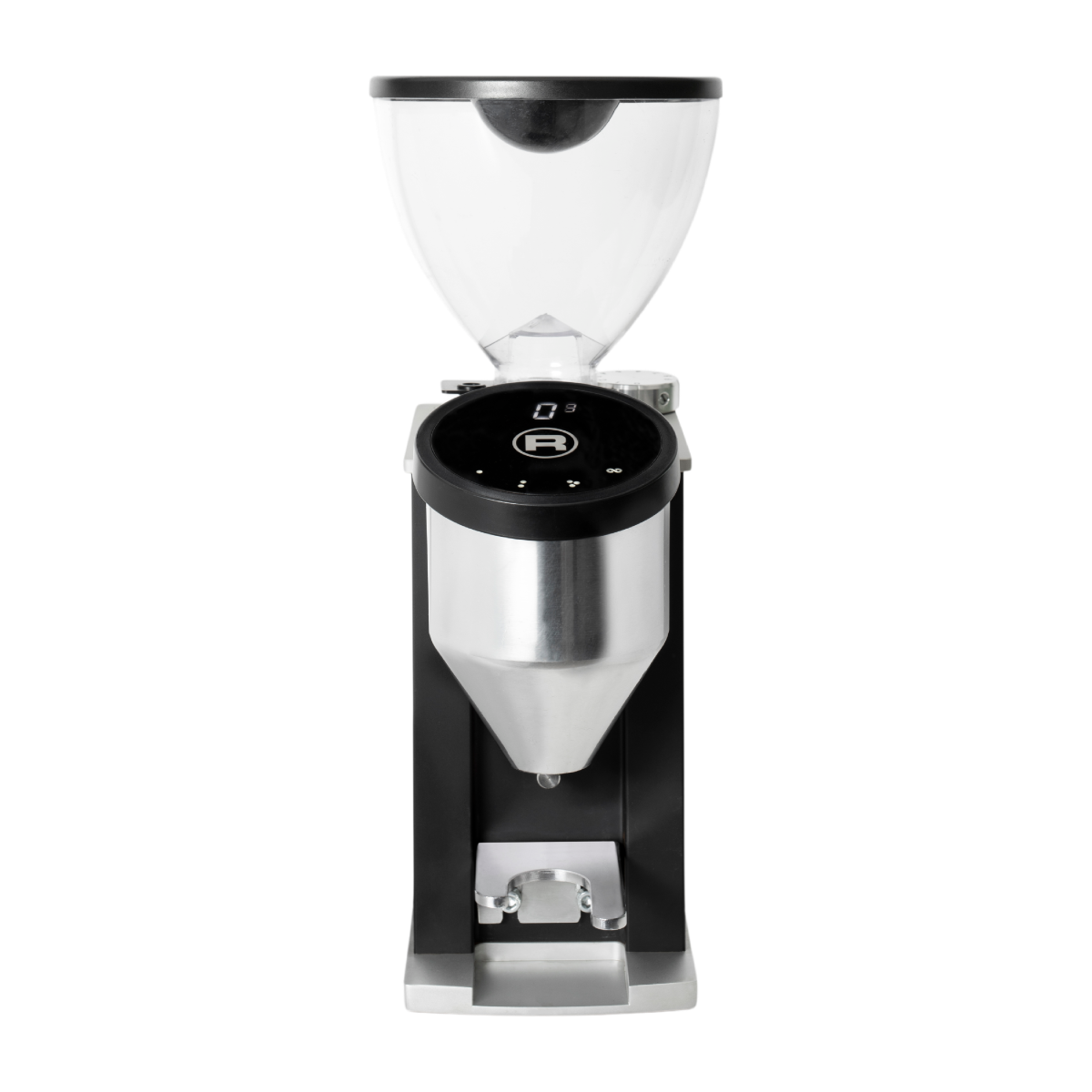
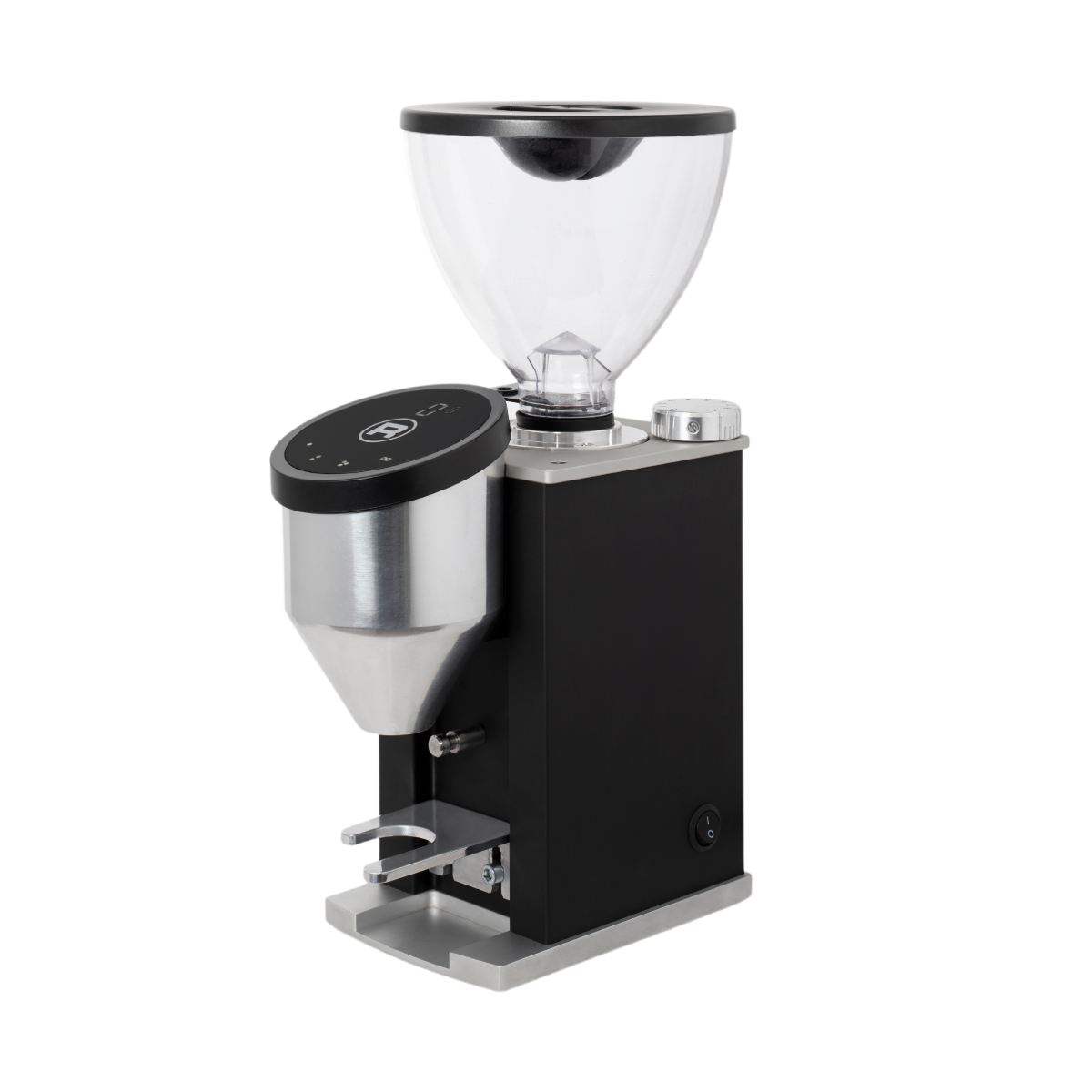
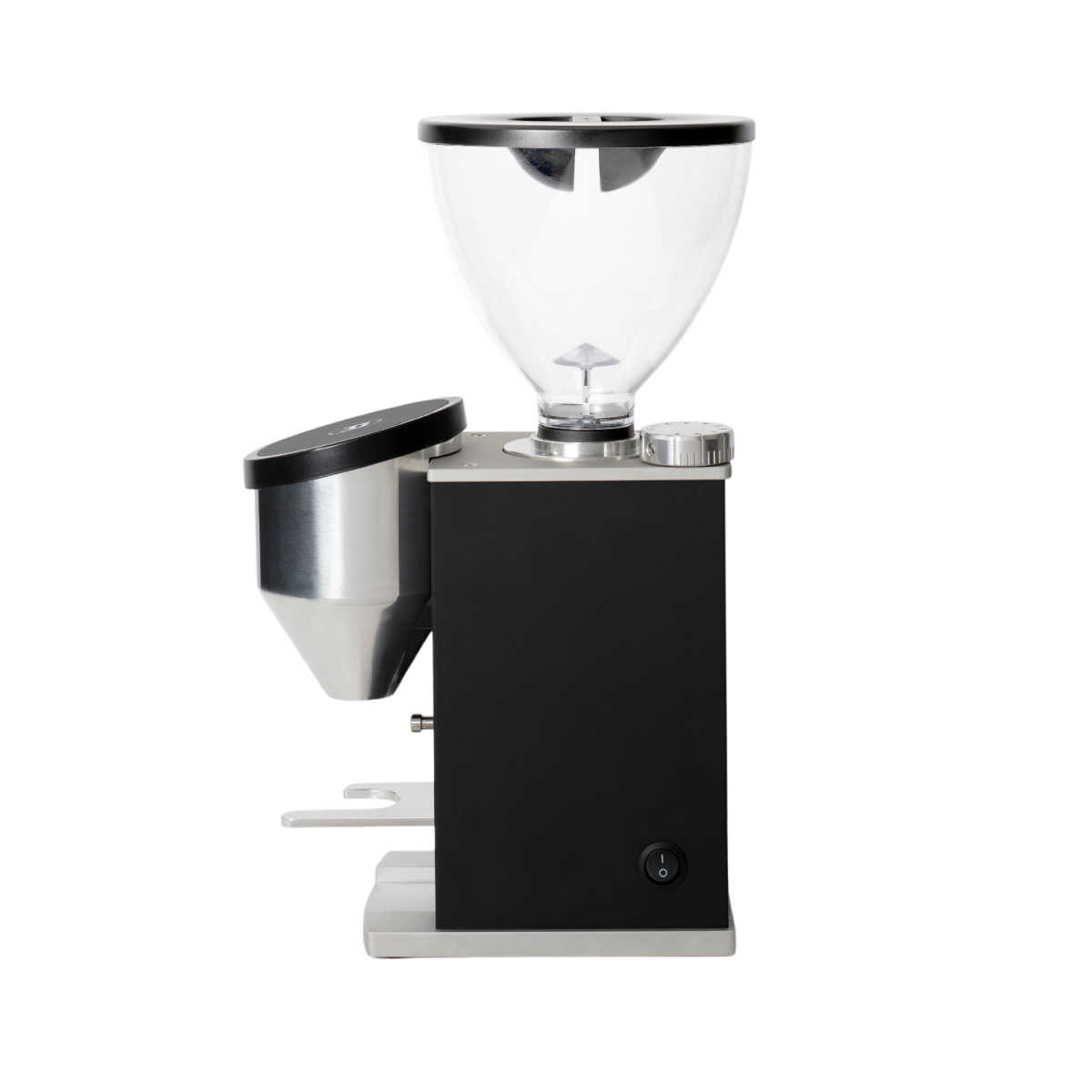
Rocket Faustino 3.1 Coffee Grinder


How to choose coffee brewing accessories
Most of the difference between an average cup and a good one at home comes down to three things: how evenly the coffee is ground, how much coffee you use for the water, and how well you control that water. The accessories on this page cover each step.
Start with a burr grinder
Whole beans hold their flavour longer than ground coffee, so grind just before you brew. Burr grinders give a more even grind than blade grinders, which matters most for espresso's fine grind.
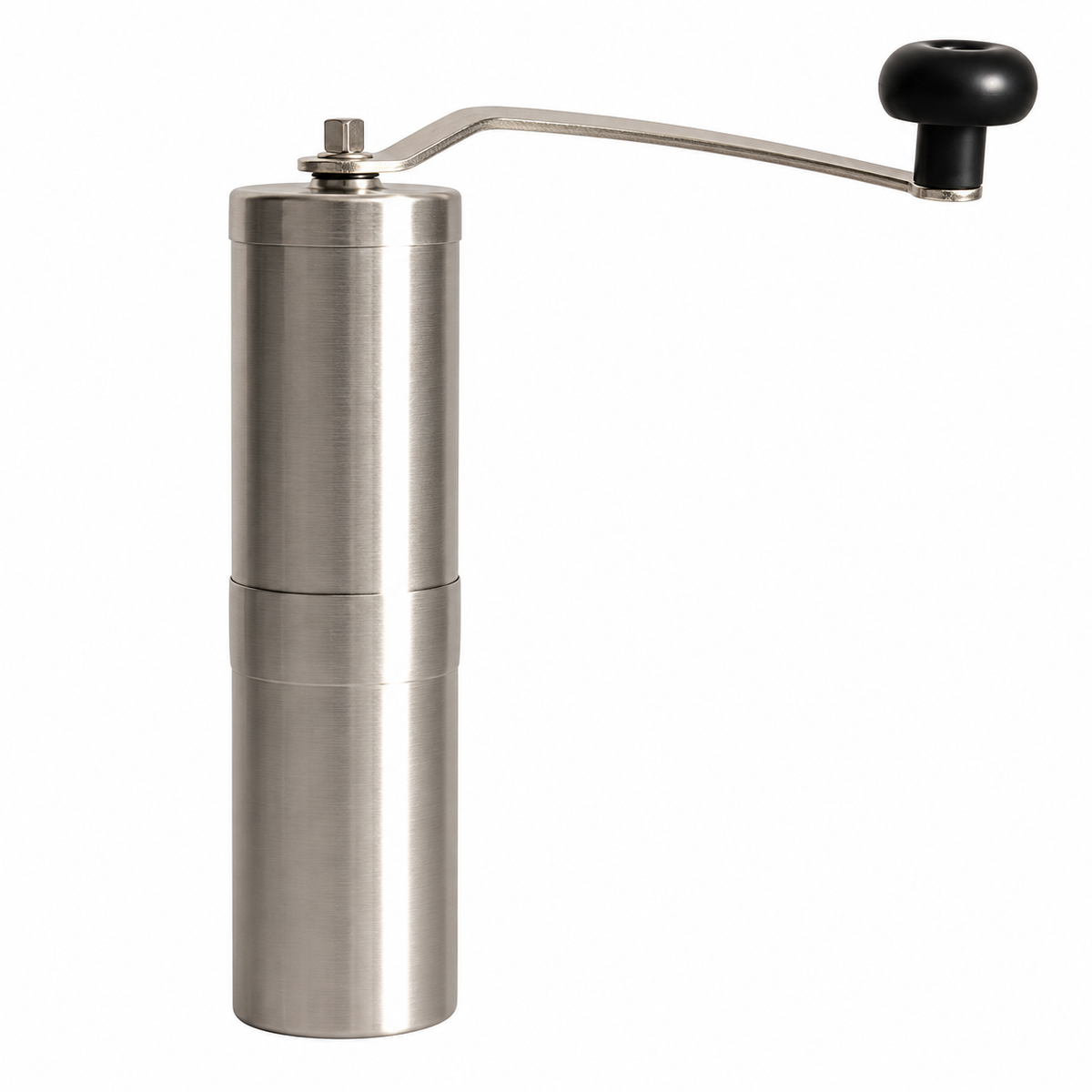
- Hand grinding: the Porlex Tall II uses ceramic burrs and needs no power, which suits small batches and travel.
- Single dose: the DF64 Gen II, DF54, Eureka Mignon Single Dose Pro and Profitec Twist SD54 grind one weighed dose at a time instead of holding beans in a hopper, so it is easy to switch beans.
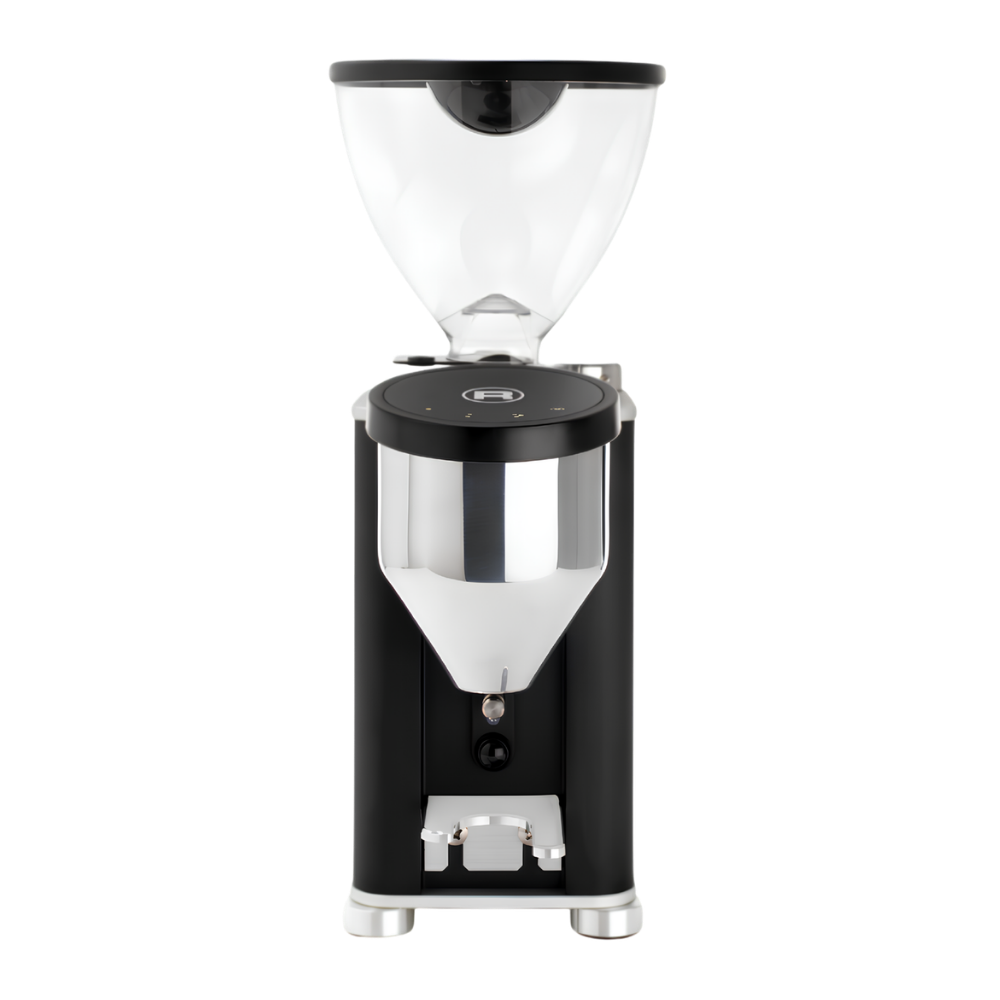
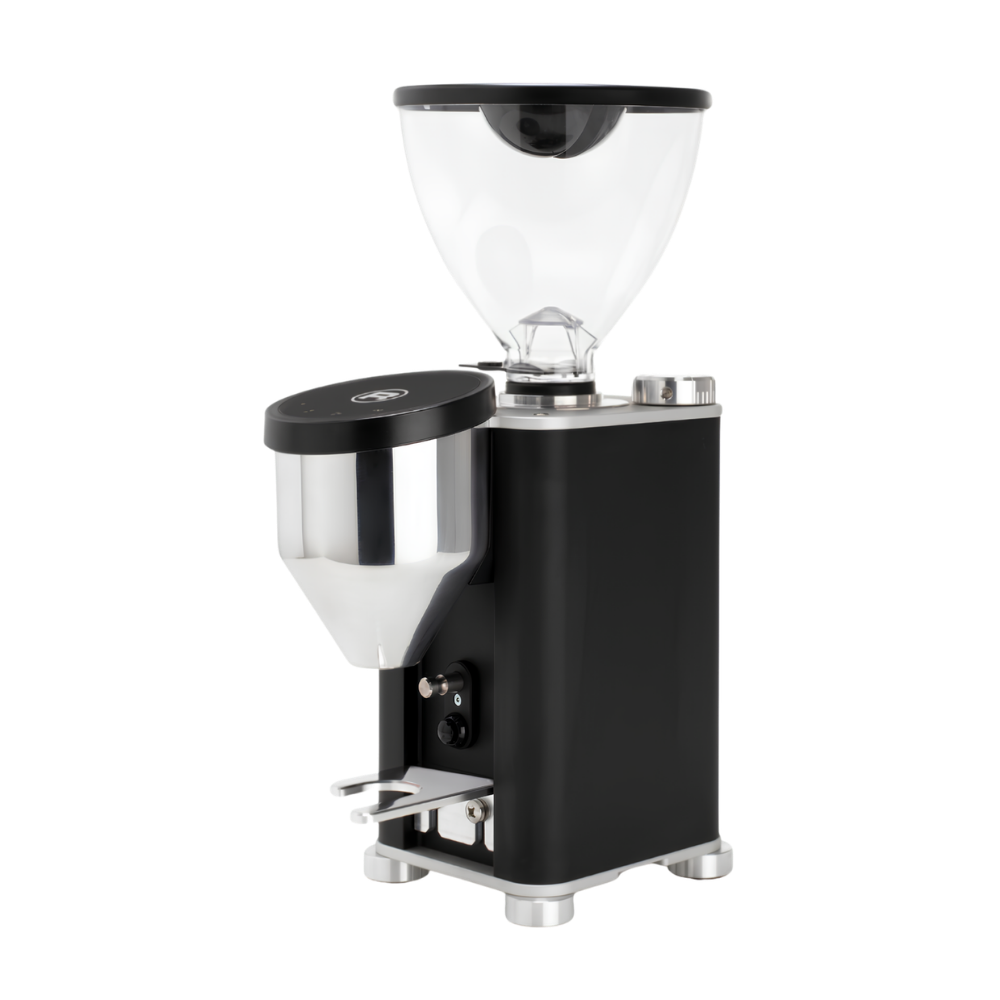
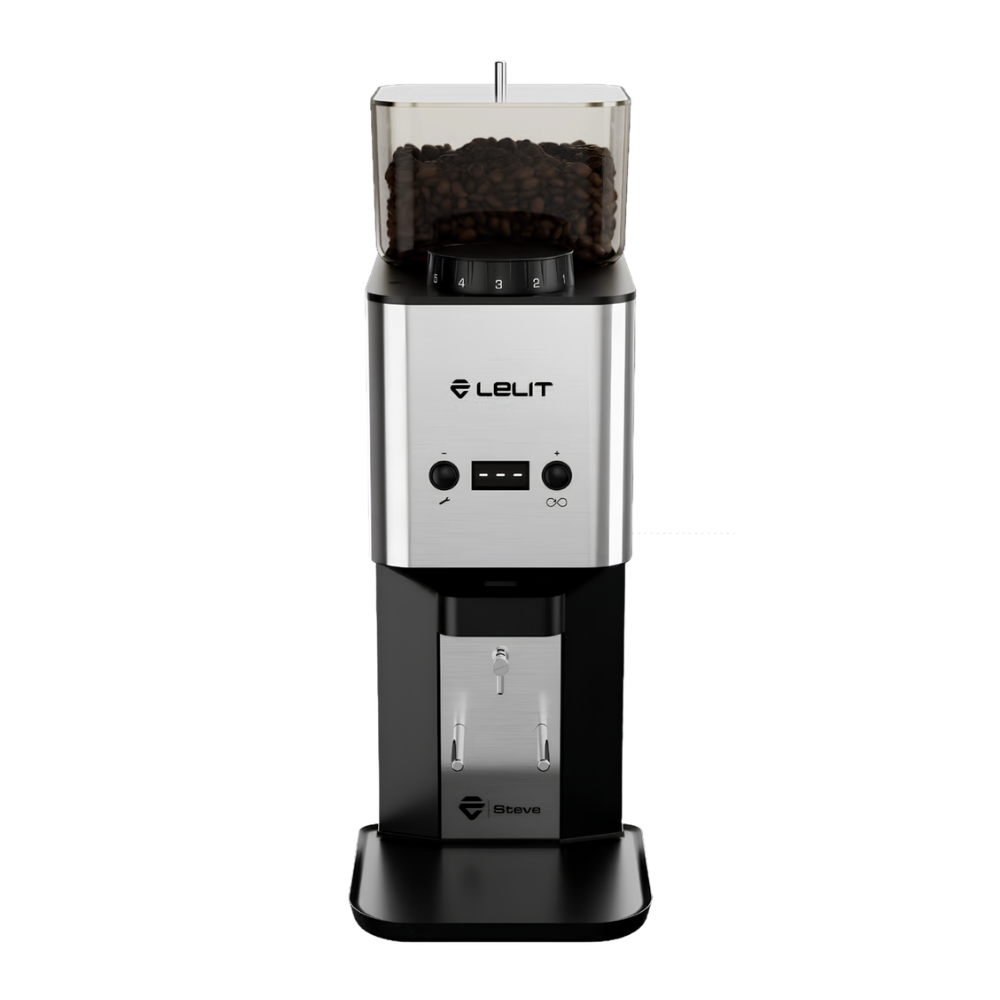
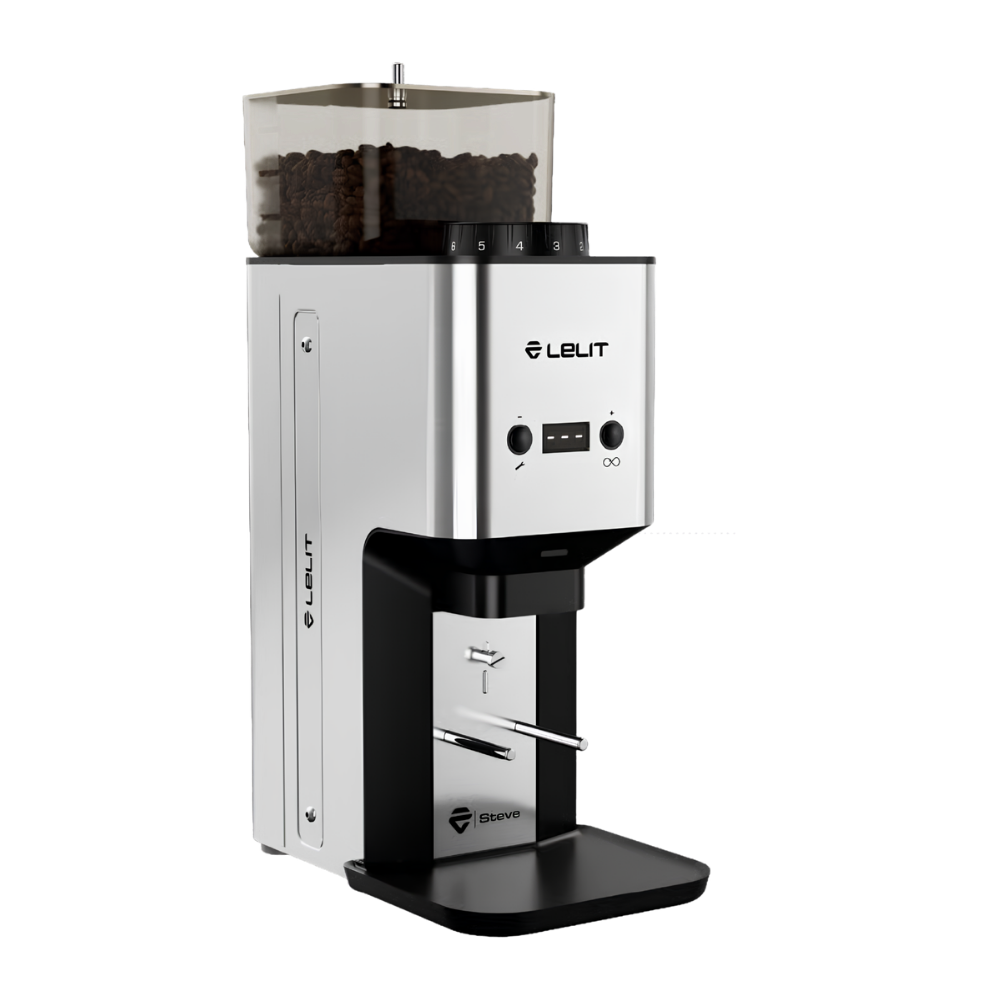
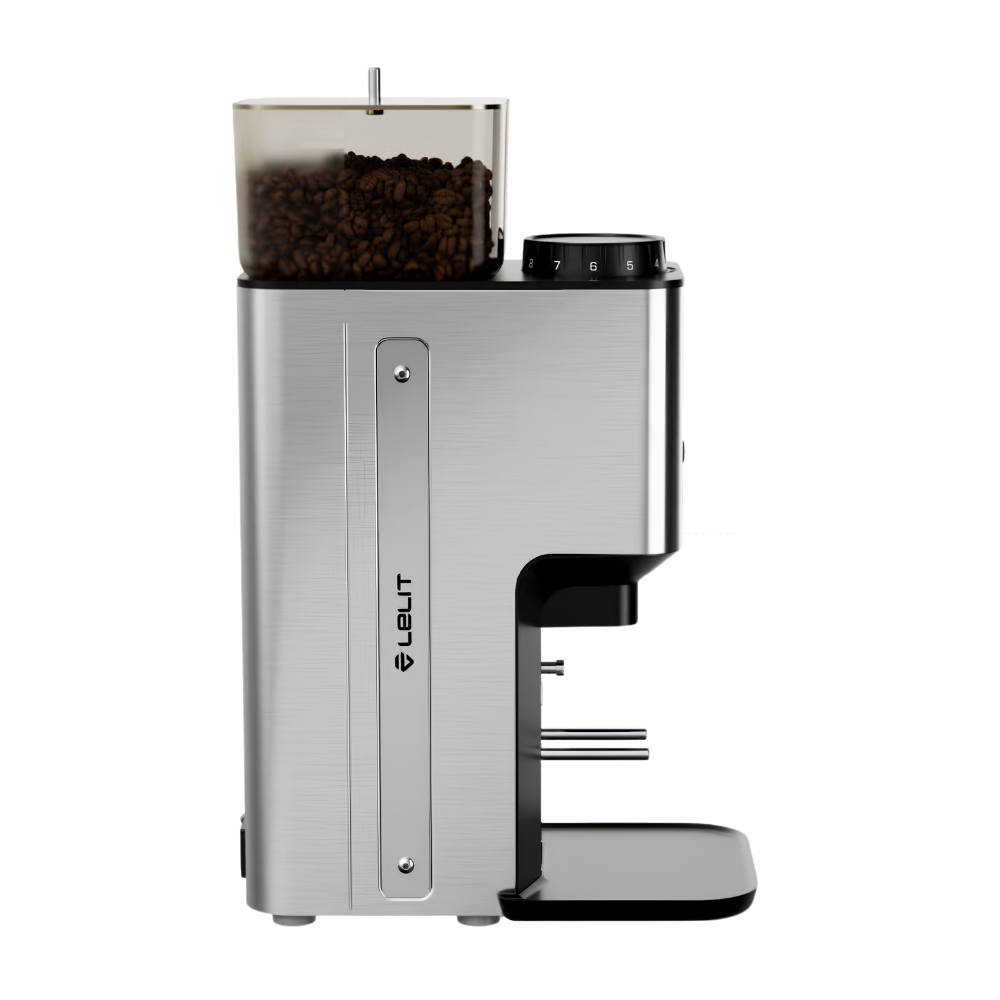
- Espresso every day: hopper grinders from Eureka, Profitec, Rocket Espresso, Lelit, Macap and ANFIM. Compare them all in coffee grinders.
Weigh your coffee and water
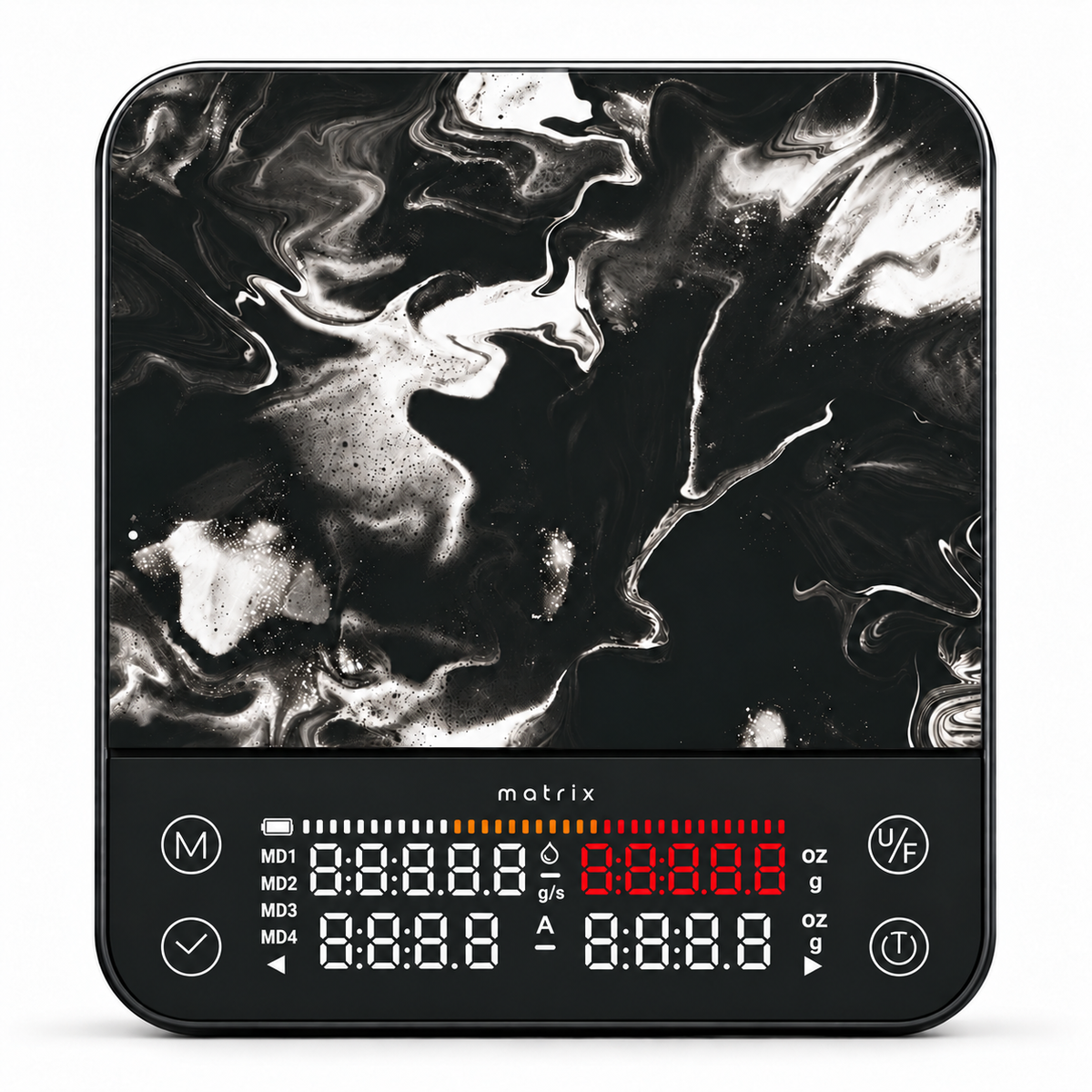
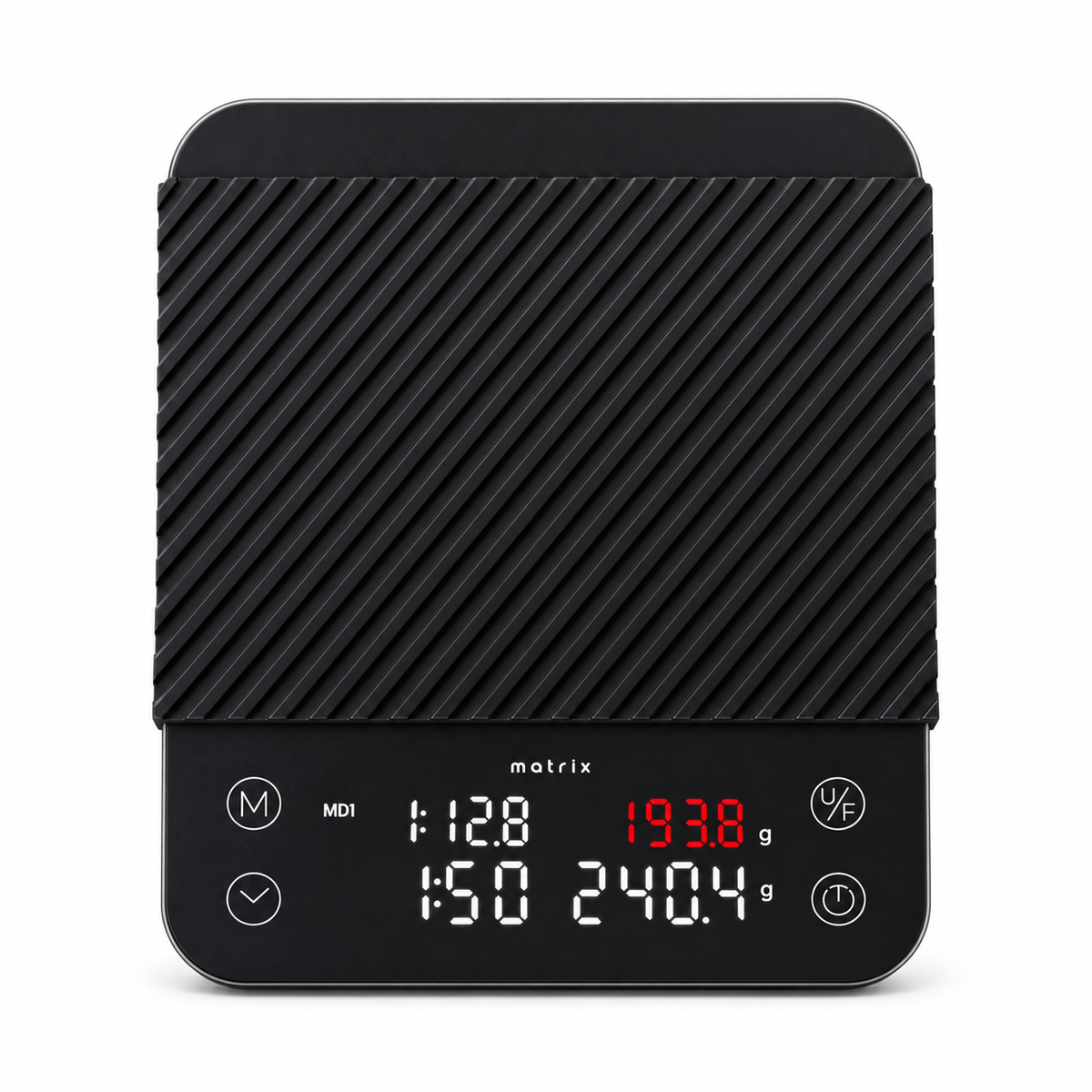
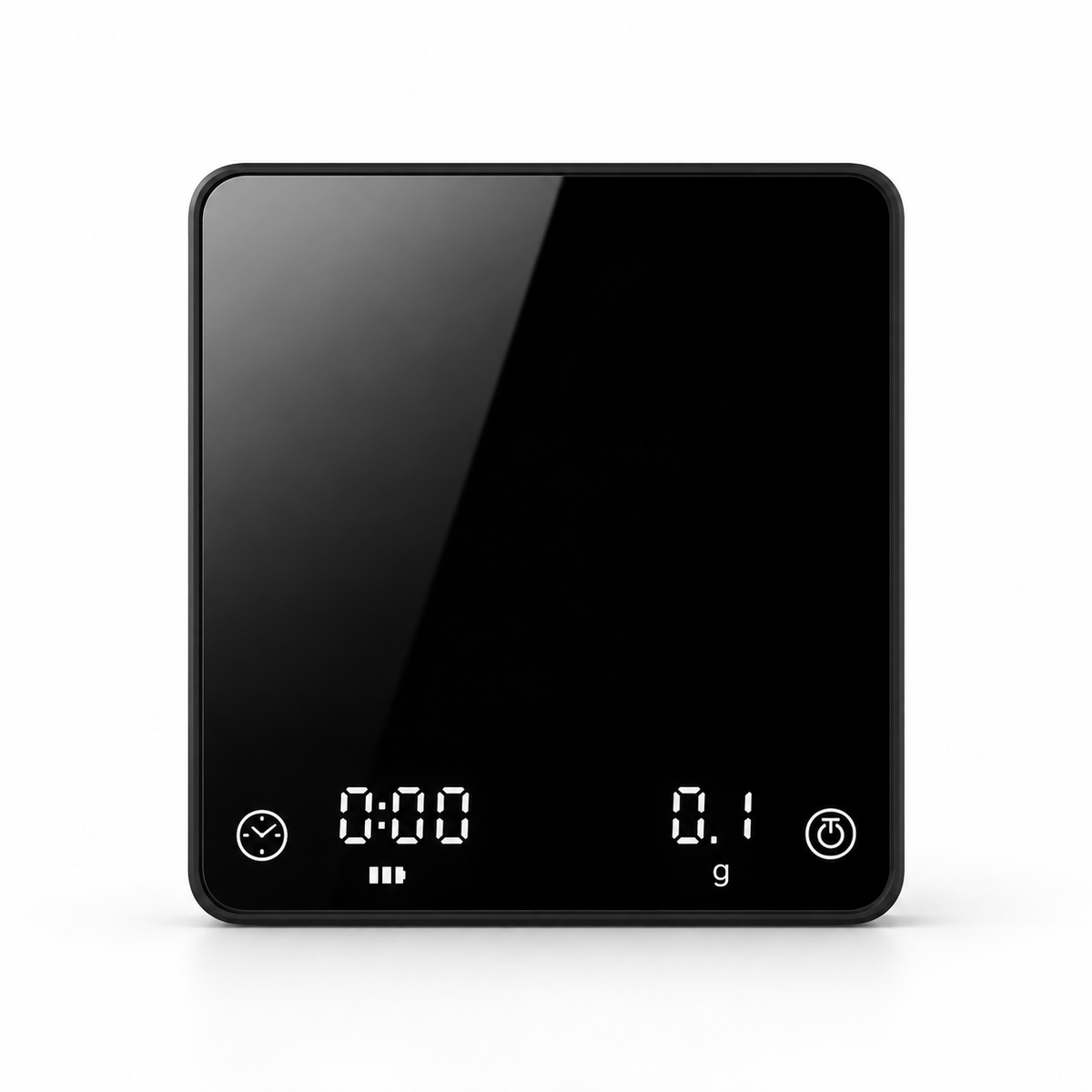
Measuring in grams rather than scoops makes each brew repeatable and shows you exactly what changed when you adjust a recipe. As a starting point, pour-over uses about 1 g of coffee to 13–16 g of water, and espresso about 1 g of coffee to 2 g in the cup, in roughly 20–30 seconds. The Coffee Gear Bench Scale handles everyday weighing, while the Matrix M2 Pro and pocket-sized Matrix G1 are built for brewing.
Control the pour with a gooseneck kettle
A long, thin spout lets you pour slowly and evenly over the coffee bed, which a standard kettle cannot. Brewing water around 93°C is a good target. The Fellow Stagg EKG Pro sets temperatures from 40°C to 100°C, holds them for up to 60 minutes and has a built-in brew timer.
Match your filter papers to your brewer
Filter papers come in set sizes and shapes, so buy the one your brewer is designed for: Moccamaster #1 papers for the Cup-One, Moccamaster #4 papers for #4 brewers, and Bruer Spectrum cone papers for cone drippers. Rinse each paper with hot water before brewing to avoid a papery taste.
Store beans away from air and light
Keep beans in a sealed, opaque container somewhere cool and dark, and buy about one to two weeks' worth at a time. The Airscape canister has a plunger lid that pushes excess air out before sealing. The Fellow Atmos uses a pump in the lid to draw air out at the press of a button; it is designed for whole beans, as ground coffee can clog the valve.
Dosing cups for espresso and single dosing
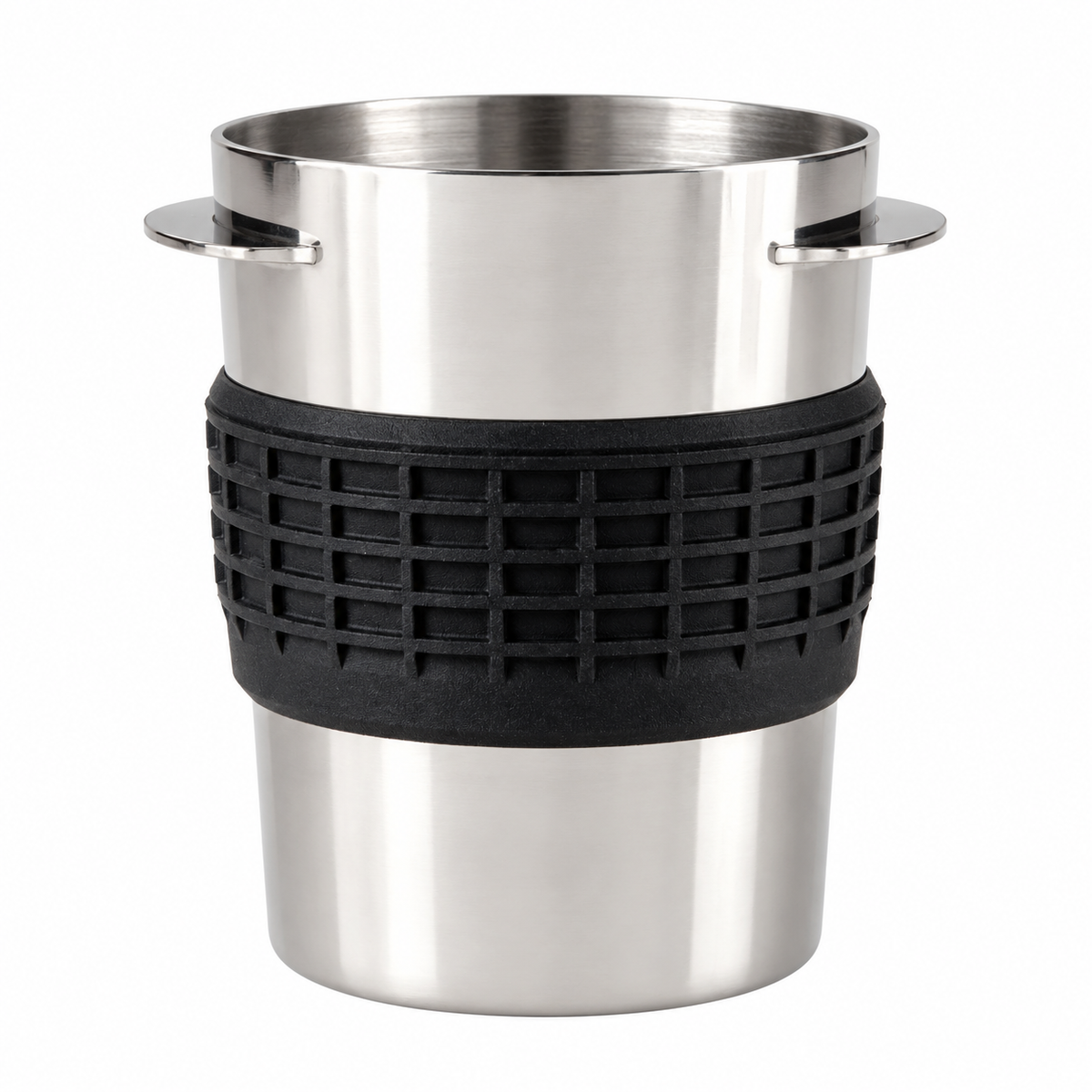
A dosing cup lets you weigh beans before they go into a single-dose grinder, then catch the grounds and transfer them cleanly. Choose the Barista Progear Dosing Cup or the Bruer Scale Dosing Cup.
A simple starter kit
- Pour-over or filter: burr grinder, scale, gooseneck kettle and the right filter papers.
- Espresso: an espresso-capable burr grinder, a scale that fits under your portafilter and a dosing cup. Pair it with a manual coffee machine and keep it running well with coffee machine cleaner.
Then add fresh coffee beans, or browse our espresso blends.
FAQs
What accessories do I need to make good coffee at home?
Whatever you brew with, start with a burr grinder and a digital scale. Grind consistency and an accurate coffee-to-water ratio make the biggest difference to the cup. Then add what your method needs. For espresso, a dosing cup and a scale that fits under the portafilter. For pour-over or filter, a gooseneck kettle and the filter papers your brewer takes. Airtight bean storage keeps whatever you buy tasting fresh for longer.
Do I need a gooseneck kettle for pour-over coffee?
It is not essential, but it helps. A long, thin spout lets you pour slowly and steadily, so water wets the coffee evenly instead of flooding one spot. A standard kettle pours faster and is harder to control. A temperature-controlled model such as the Fellow Stagg EKG Pro also lets you set the water at about 93°C rather than waiting for boiled water to cool.
Why should I weigh coffee instead of using a scoop?
Scoops measure volume, and beans vary in size and density, so the same scoop can hold different amounts of coffee. Weighing in grams gives you the same dose every time and makes it clear what changed when you adjust a recipe. A good starting point is about 1 g of coffee to 13–16 g of water for pour-over, and about 1:2 for espresso.
Is a burr grinder better than a blade grinder?
Yes, for most brewing. Burr grinders crush beans between two surfaces set at a fixed gap, which produces particles of a similar size. Blade grinders chop the beans and leave a mix of fine dust and larger pieces, so extraction is uneven. Even grind matters most for espresso, which needs a fine, consistent grind and small adjustments. See our coffee grinders.
How should I store coffee beans to keep them fresh?
Keep beans in a sealed, opaque container away from heat, light and moisture, and buy only one to two weeks' worth at a time. Whole beans stay fresh longer than ground coffee, so grind just before brewing. Canisters that remove air, such as the Airscape or the Fellow Atmos vacuum canister, add extra protection. The Atmos is designed for whole beans only.
Should I rinse paper filters before brewing?
Yes. Pour hot water through the paper in your brewer, then throw that water away before adding coffee. Rinsing removes the papery taste that some filters, particularly unbleached ones, can leave in the cup, and it warms the brewer. Make sure you use the right size paper for your brewer, for example #1 papers for the Moccamaster Cup-One.
How much is delivery on coffee accessories?
We ship Australia-wide. Delivery is a flat $9.95 on orders under $200 and free on orders over $200. Order by 3pm Melbourne time on a business day for same-day dispatch. Business customers can also apply for a business account for B2B pricing on coffee, up to 25% off RRP.