





Bialetti Tuttocrema Milk Frother


How to choose a milk steamer or milk frother
Steamers and frothers both texture milk, but they work differently and give a different result in the cup. Start with what you brew, how much milk you pour each day and how much hands-on time you want.
Milk steamer or milk frother: what is the difference?
A milk steamer pushes steam through a wand into the jug, heating the milk and folding in air at the same time. Done well, that makes microfoam: bubbles so small they blend into the milk, so it stays glossy and pourable for flat whites, lattes and latte art. A frother whips air in with a whisk or plunger, giving a lighter, thicker foam that sits on top of the drink. Frothers can also foam cold milk; a steam wand always heats it.
Automatic milk steamers
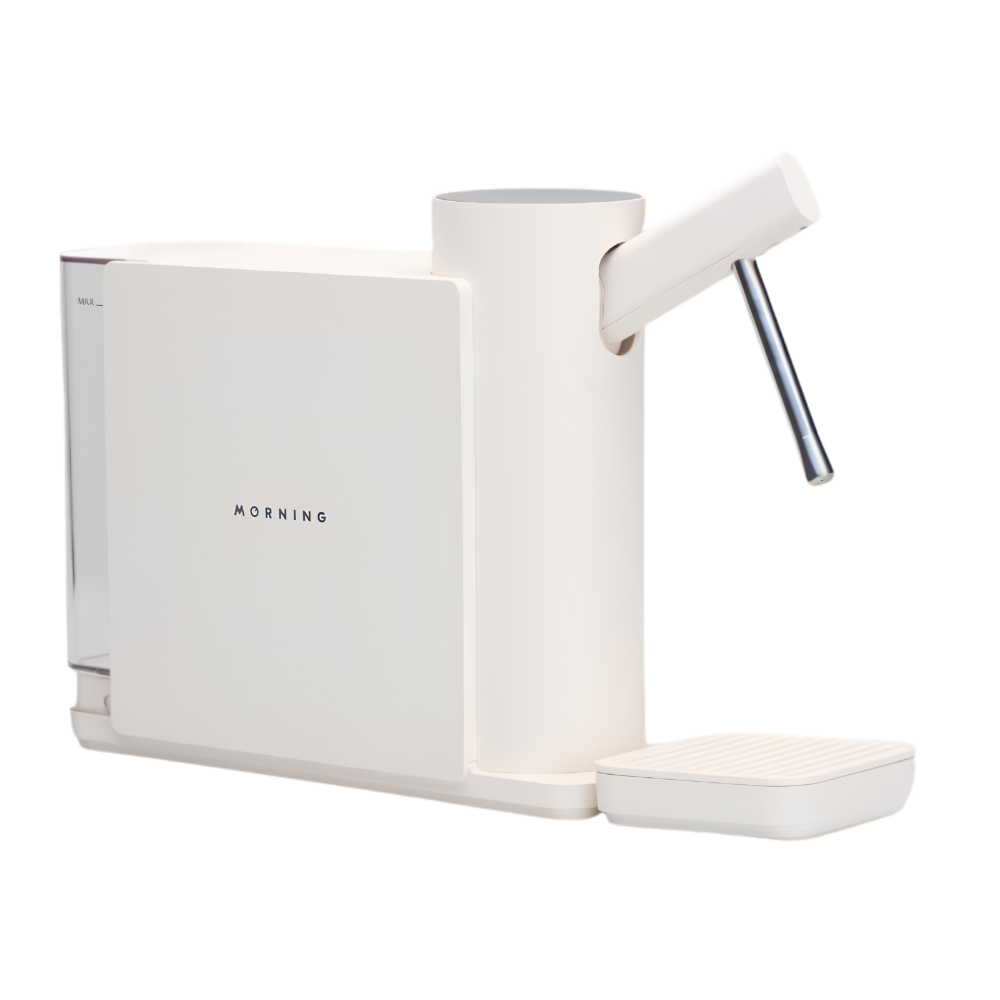
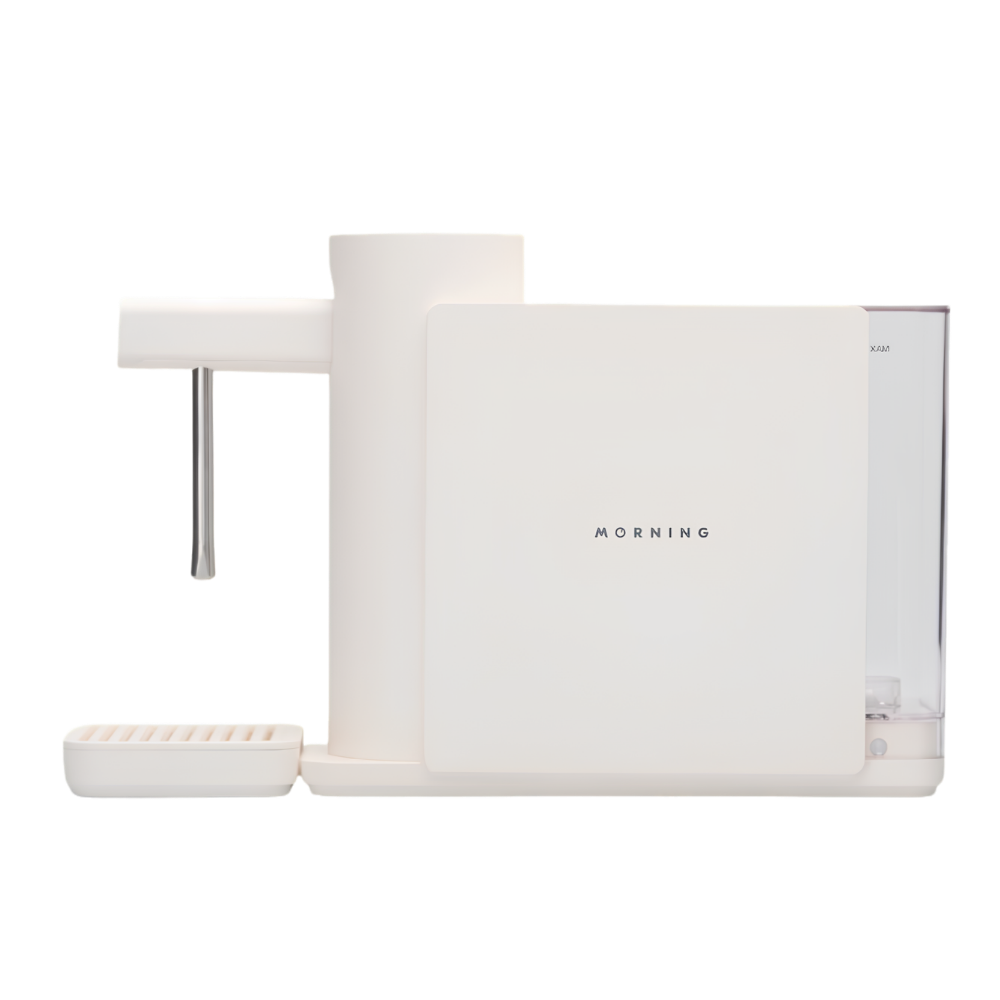
A standalone steamer gives you a real steam wand without an espresso machine, which suits capsule, plunger and filter coffee drinkers, or anyone whose machine has no wand. Both steamers here have their own water supply and heating.
- Morning Dream Milk Steamer: flow heating makes steam in about 7 seconds instead of waiting for a boiler. You set the milk temperature from 55 to 75°C in 1°C steps and the steam power from 50 to 100%, and an infrared sensor reads the milk temperature as you steam.
- WPM ProSteam Automatic Milk Steamer: set a target between 40 and 90°C and it stops by itself when the milk gets there. It has a 0.8 litre water tank, a touch screen, and flush and full cleaning programs with cleaning reminders, so it suits busy kitchens and workplaces that want the same result every time.
Electric milk frothers
The Jura Milk Frother is the simplest option: pour in milk and press the one button once, twice or three times for cold, warm or hot milk or foam. The container is stainless steel, and the cold setting makes foam for iced coffees. Jura designs it for home use, not commercial volumes.
Stovetop and manual frothers
The Bialetti Tuttocrema needs no power. Warm the milk in the pot on a gas, electric or ceramic cooktop, then pump the double-mesh plunger until it thickens. It is aluminium with a non-stick interior, comes in 3-cup and 6-cup sizes, and is the low-cost way to add foam to stovetop or plunger coffee. It does not work on induction without an adaptor plate.
Milk temperature and milk type
Most baristas aim for about 60 to 65°C. Milk tastes sweeter as it warms, but past about 70°C it starts to taste flat and cooked. The Morning and WPM steamers let you set the exact temperature, which takes the guesswork out. For plant milks, barista versions with more fat and protein foam best.
Cleaning and care
Milk dries onto hot steel quickly. Wipe a steam wand with a damp cloth and purge it for a second or two straight after every jug; skipping the purge is the most common cause of a blocked steam tip. Soak the tip in a milk system cleaner from time to time. You will find milk and machine cleaners in our coffee machine cleaning range.
Do you need a separate steamer at all?
If you already own an espresso machine with a steam wand, probably not. If you are choosing a machine now, compare manual coffee machines, which have a steam wand built in, with automatic coffee machines, many of which froth milk at the touch of a button. For shared kitchens, see office and workplace coffee machines.
FAQs
What is the difference between a milk steamer and a milk frother?
A milk steamer heats and aerates milk with steam from a wand, making fine microfoam that blends into the milk and pours smoothly for flat whites, lattes and latte art. A milk frother whips air into the milk with a whisk or plunger, giving a lighter, drier foam that sits on top. Frothers can also make cold foam, while steam always heats the milk.
Do I need an espresso machine to use a milk steamer?
No. Standalone steamers such as the Morning Dream and the WPM ProSteam make their own steam, so you get a café-style steam wand next to a capsule machine, plunger or filter brewer. If you already have an espresso machine with a steam wand, you probably don't need a separate steamer.
Can a milk frother make cold foam?
Some can. The Jura Milk Frother has cold, warm and hot settings, chosen by pressing its button once, twice or three times, so it can top iced coffees with cold foam. A steam wand can't make cold foam, because steam always heats the milk as it adds air.
What temperature should steamed milk be?
Aim for about 60 to 65°C for most milk coffees. Milk tastes sweeter as it warms through that range, but above about 70°C it starts to taste flat and cooked. Temperature-controlled steamers make this easy: the Morning Dream lets you set 55 to 75°C in 1°C steps, and the WPM ProSteam stops automatically at the target you choose.
Can you froth plant-based milk?
Yes, but results vary by brand. Barista versions of oat, soy and almond milk are made with more fat and protein, so they hold foam better than regular cartons. Jura recommends barista plant milks for its frother, and Morning says its Dream steamer works with any type of milk. Expect thinner foam from low-protein milks whatever you use.
How do you clean a milk steamer wand?
Straight after each jug, wipe the wand with a damp cloth and purge a short burst of steam to push milk out of the tip before it dries. Skipping the purge is the most common cause of blocked steam holes. Every so often, soak the tip in a milk system cleaner. The WPM ProSteam also has built-in flush and full cleaning programs.