





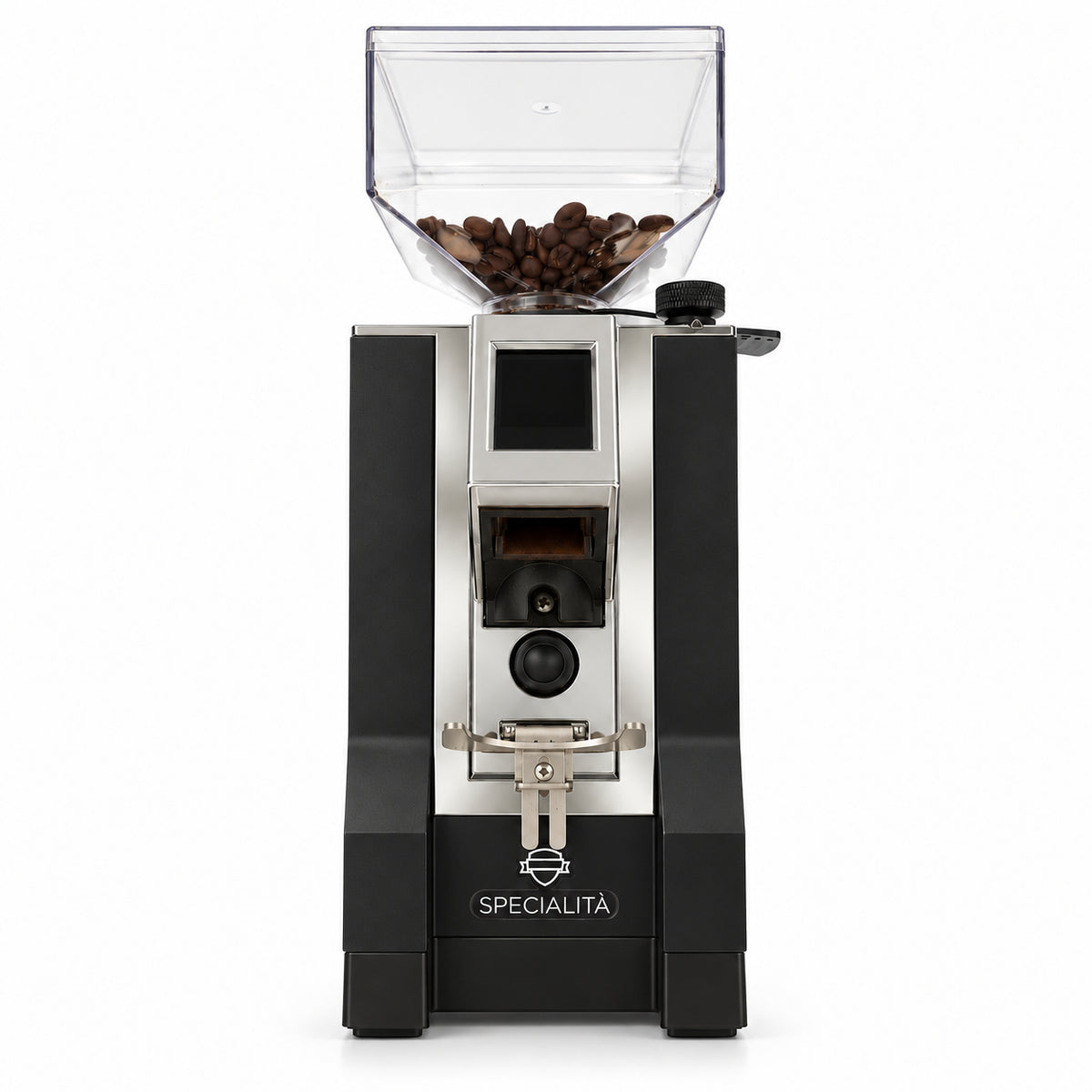
Eureka Mignon Specialita 55E Coffee Grinder
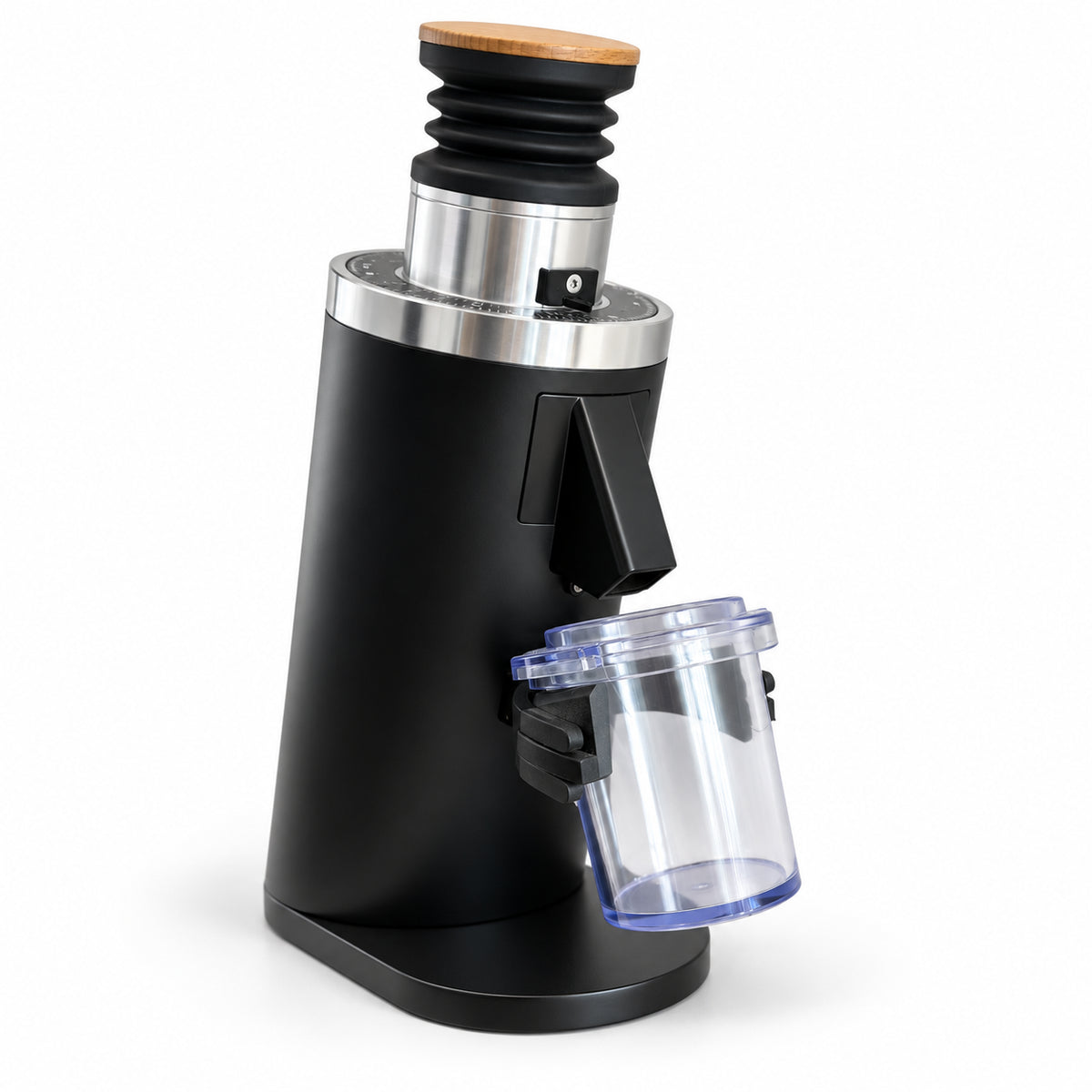
DF54 Coffee Grinder Single Dose
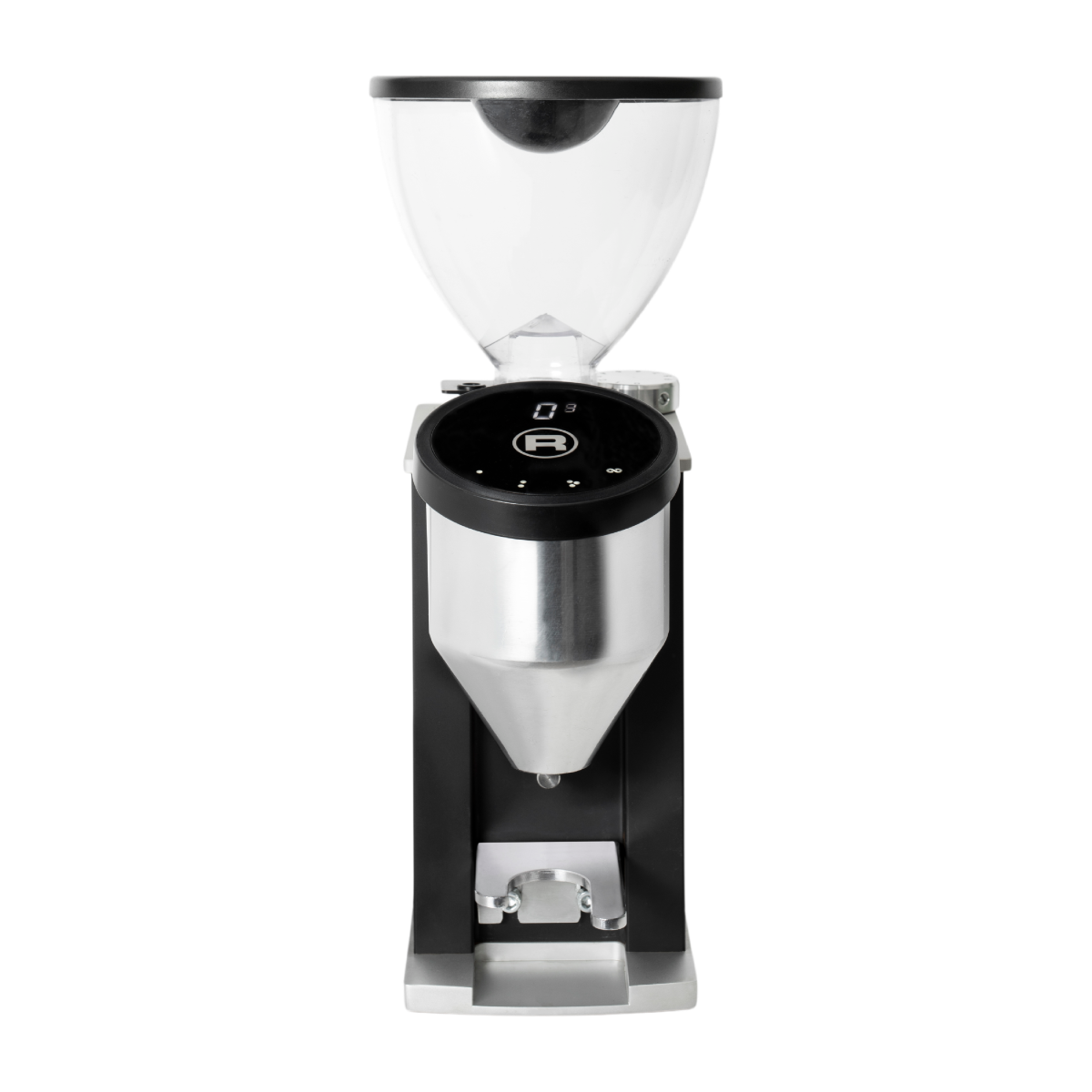
Rocket Faustino 3.1 Coffee Grinder
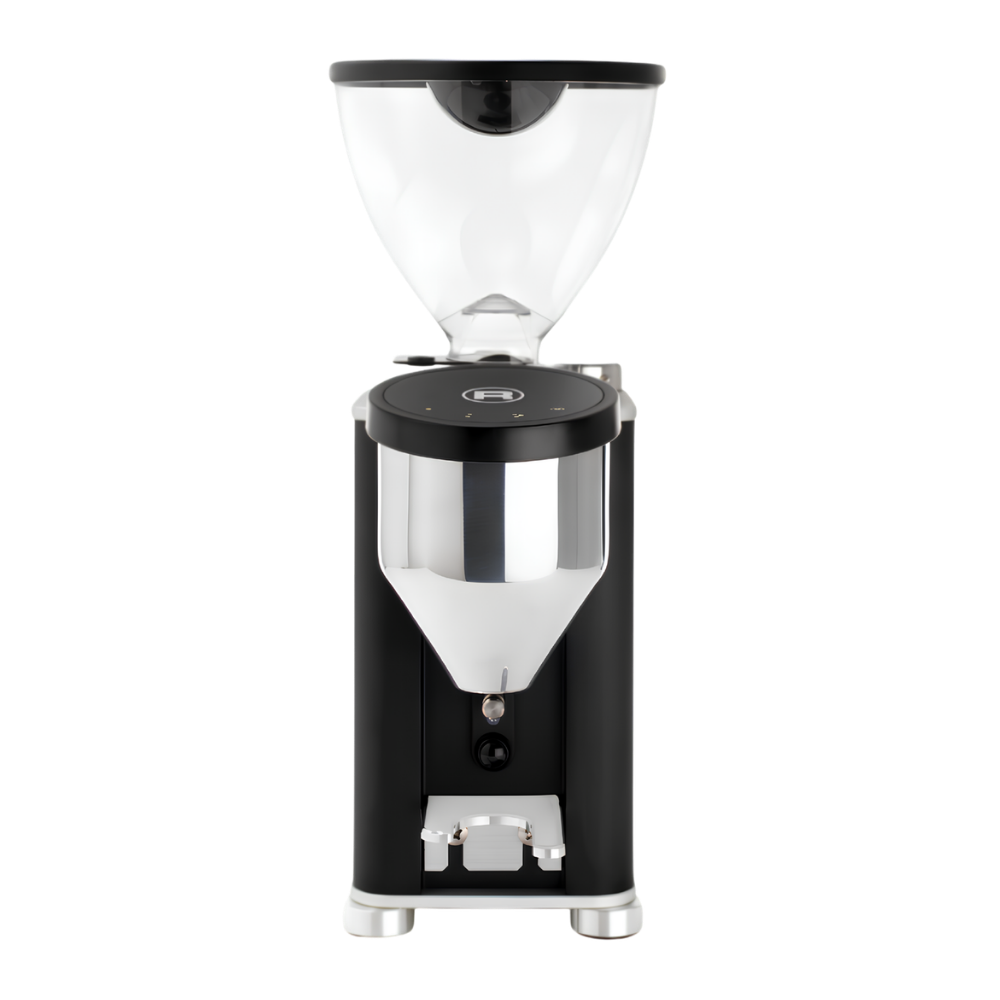
Rocket Giannino Coffee Grinder
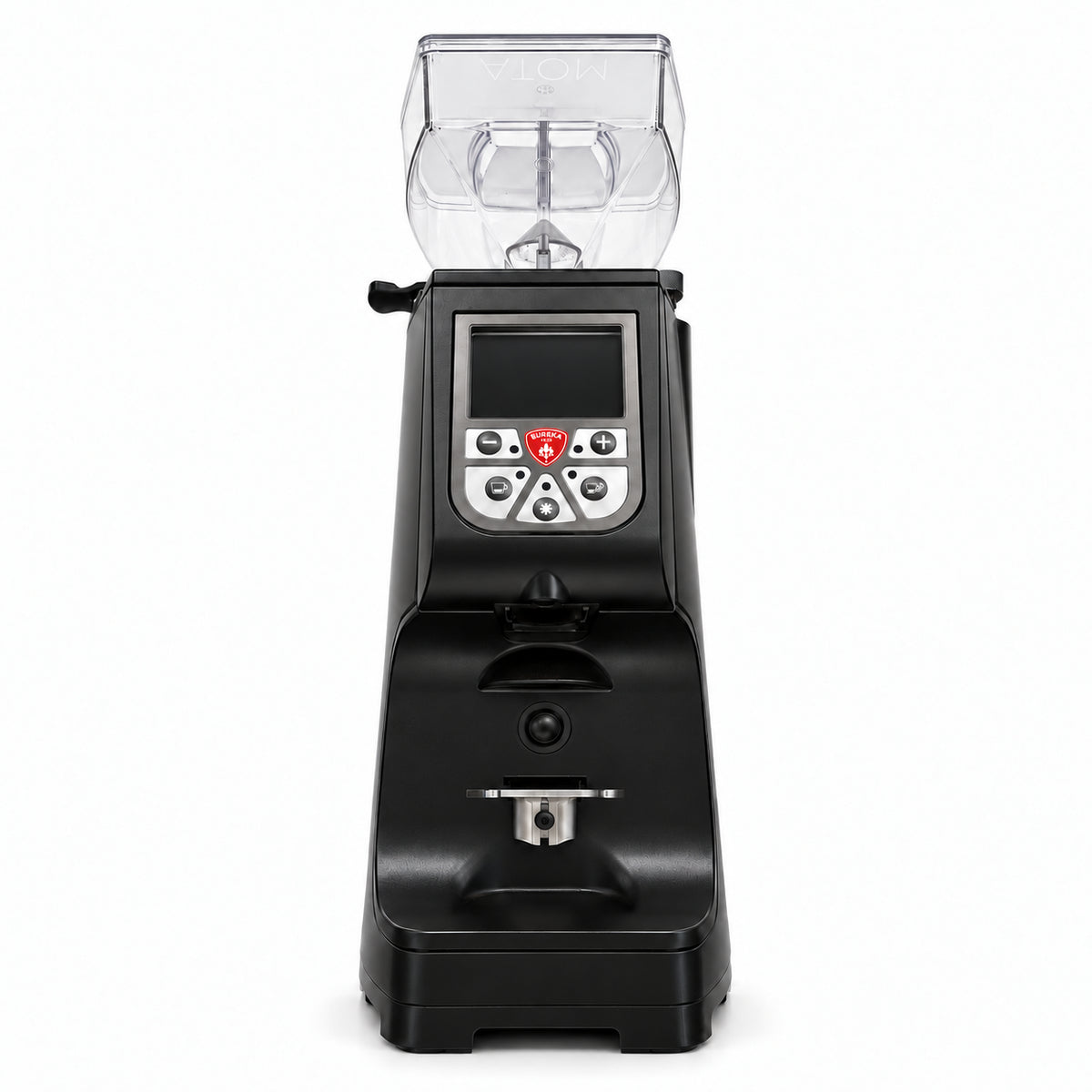
Eureka Atom 60E Coffee Grinder
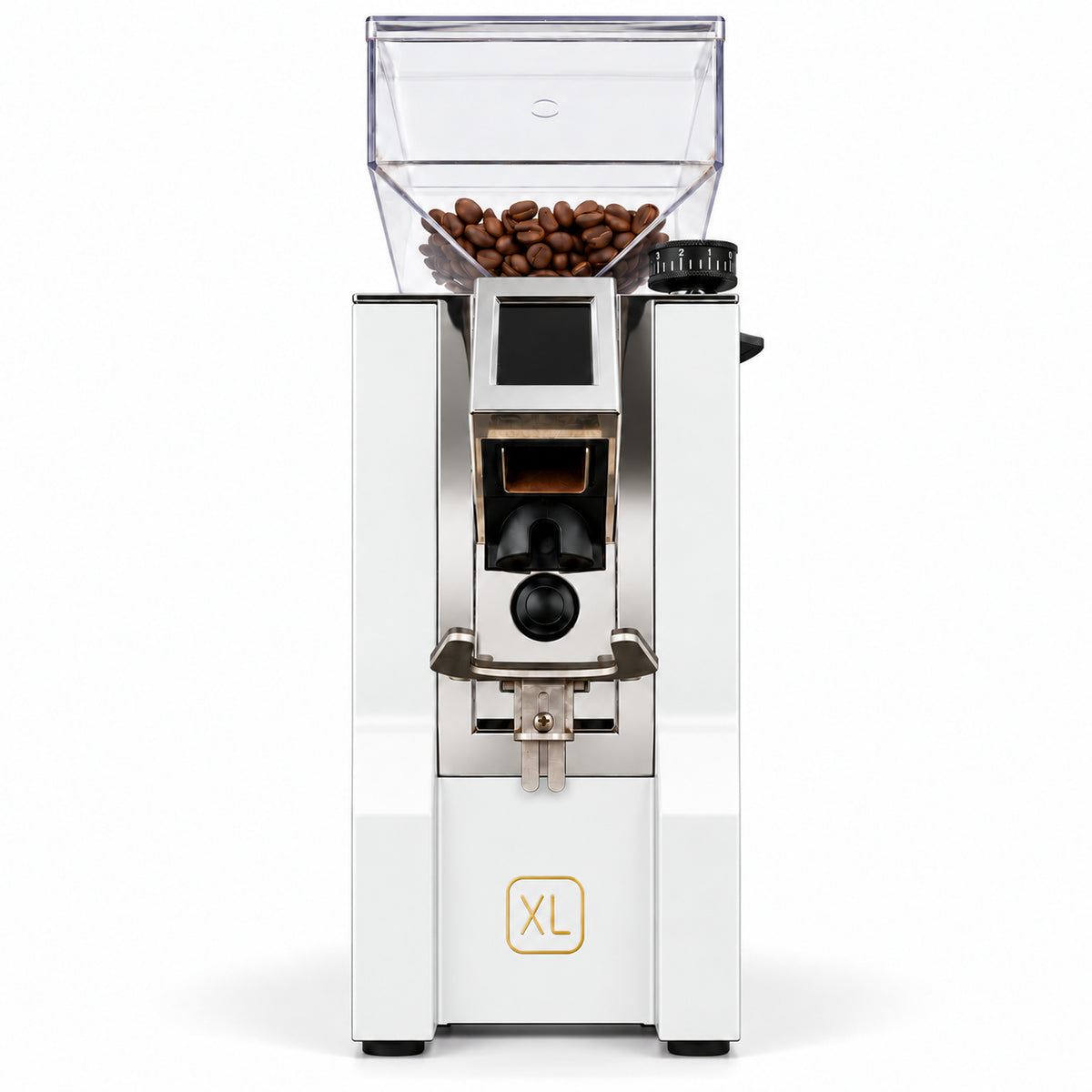
Eureka Mignon XL 65E Coffee Grinder

Eureka Mignon Libra 55E Coffee Grinder
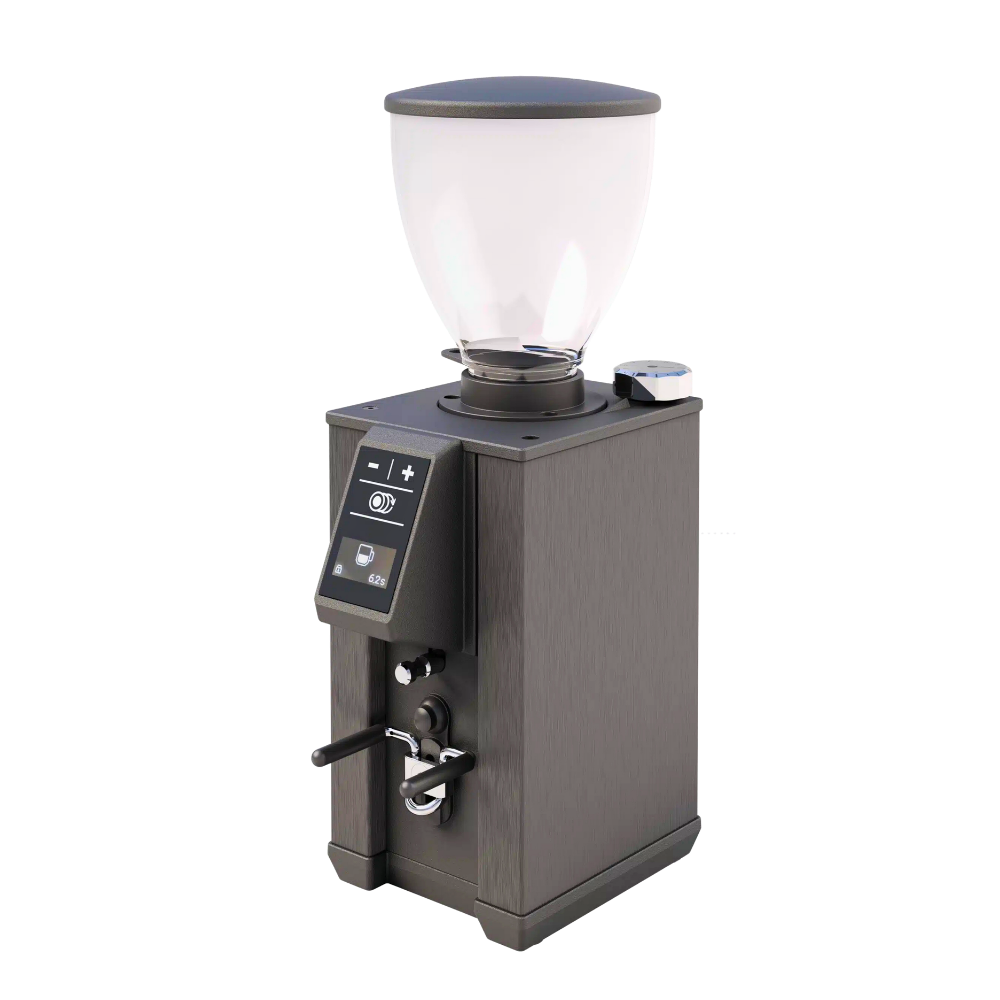

Eureka Mignon Single Dose Pro Coffee Grinder
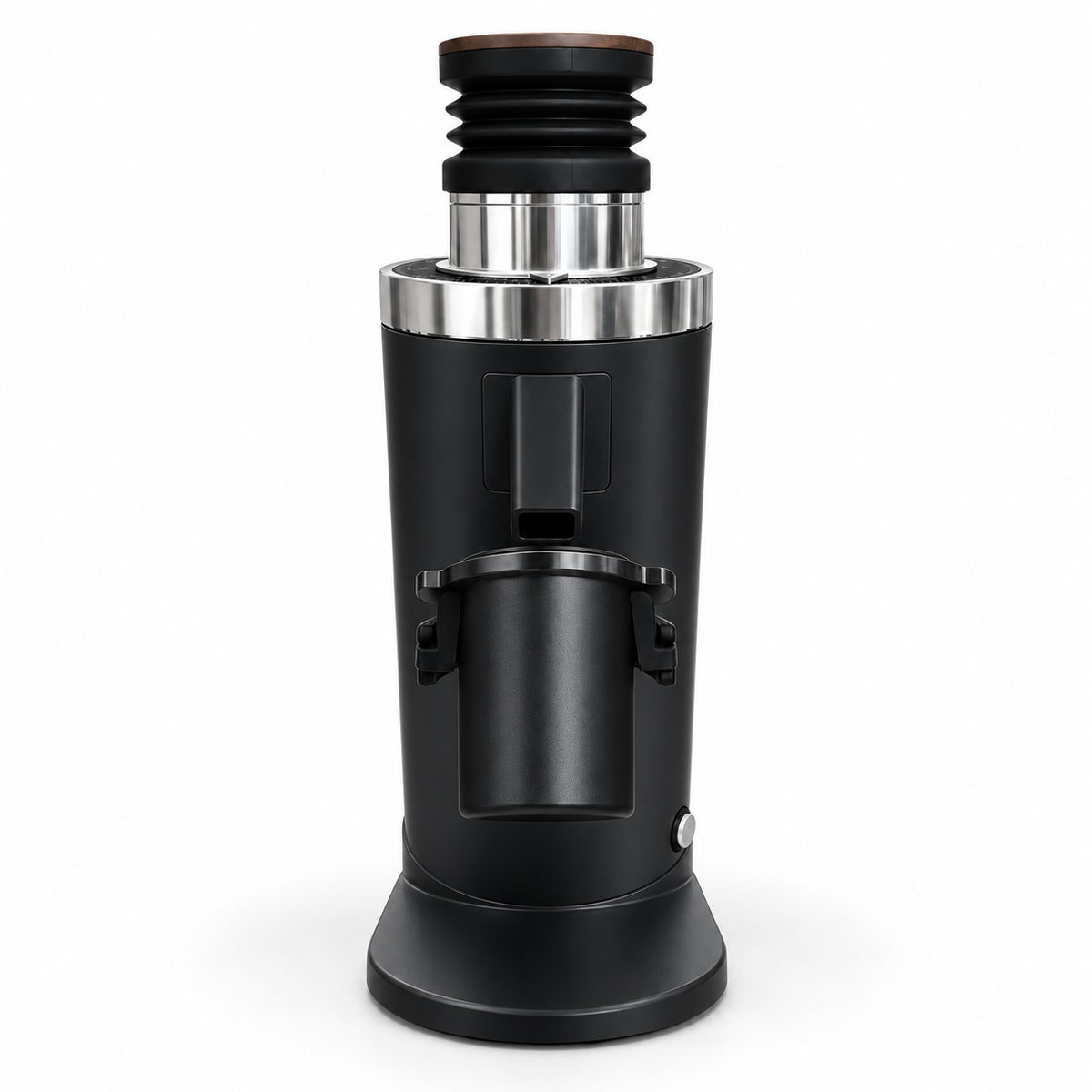
DF64 Gen II Single Dose Coffee Grinder
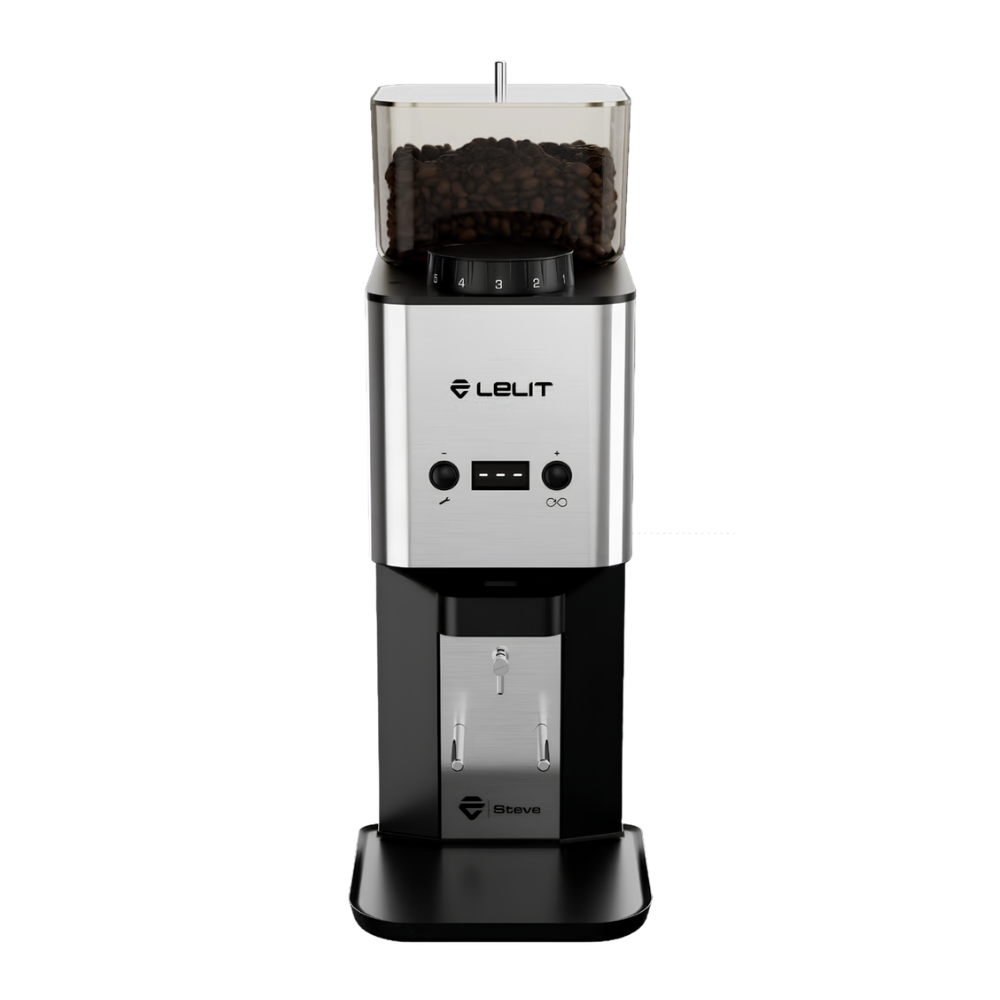
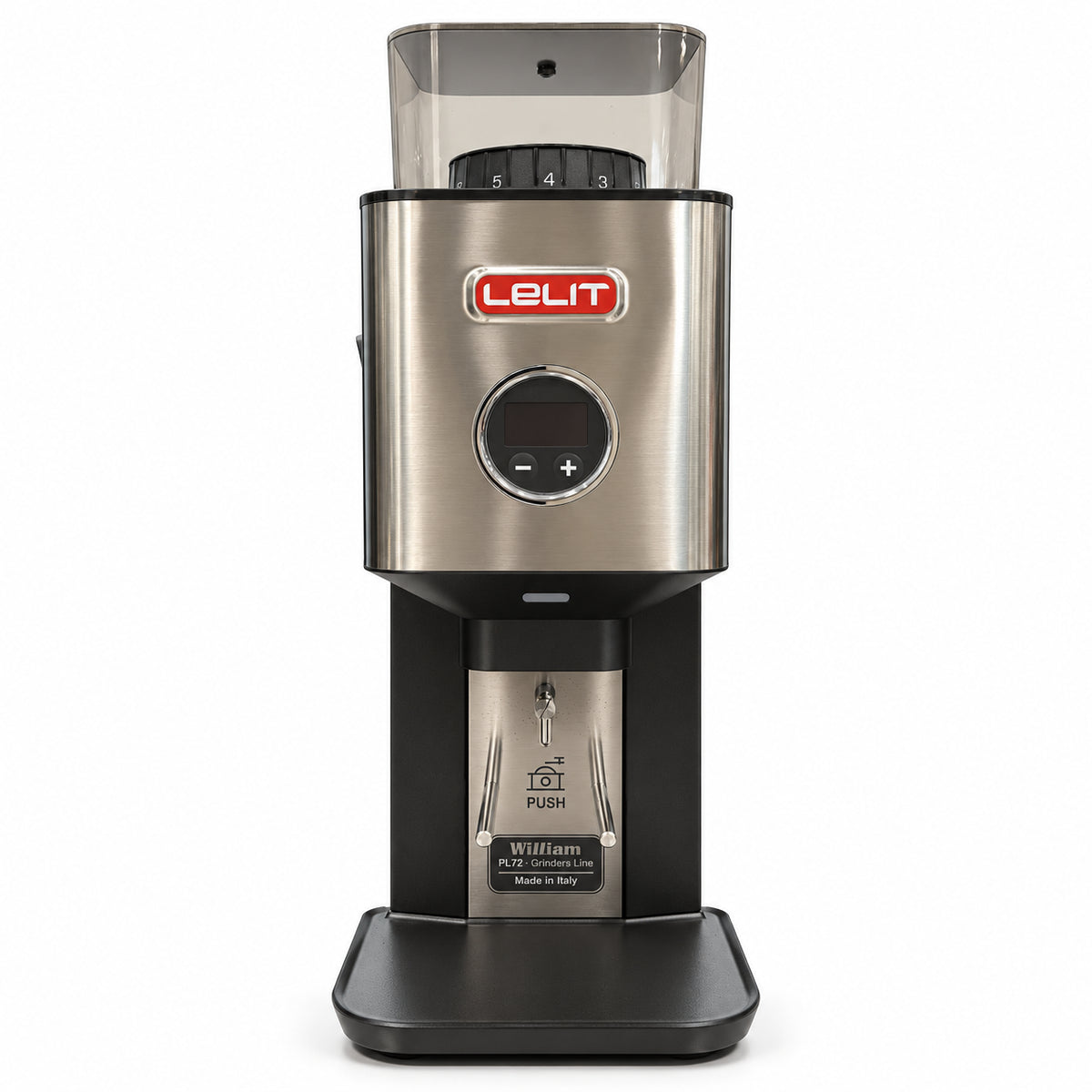
Lelit PL72 William Coffee Grinder
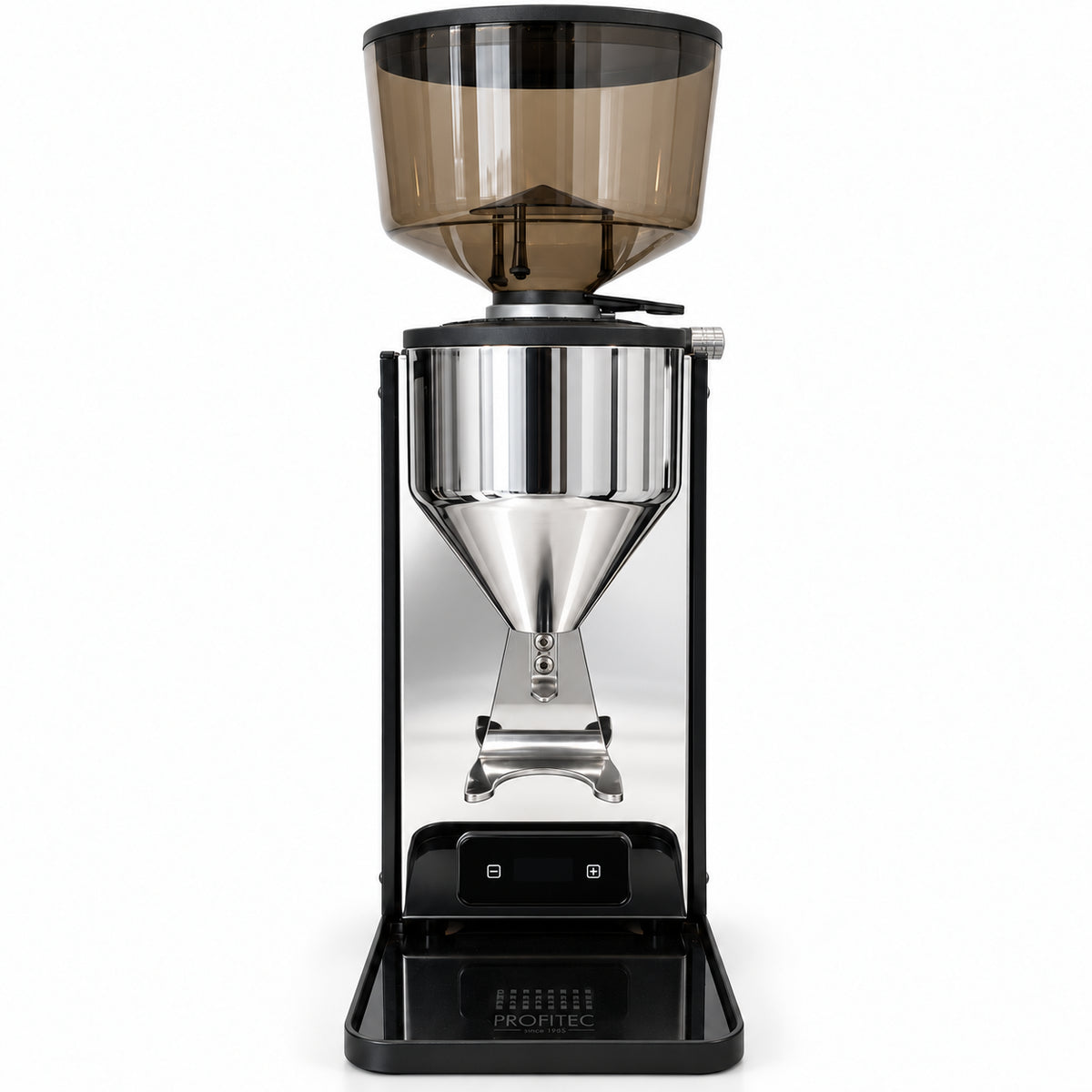
Profitec Pro T64 Coffee Grinder
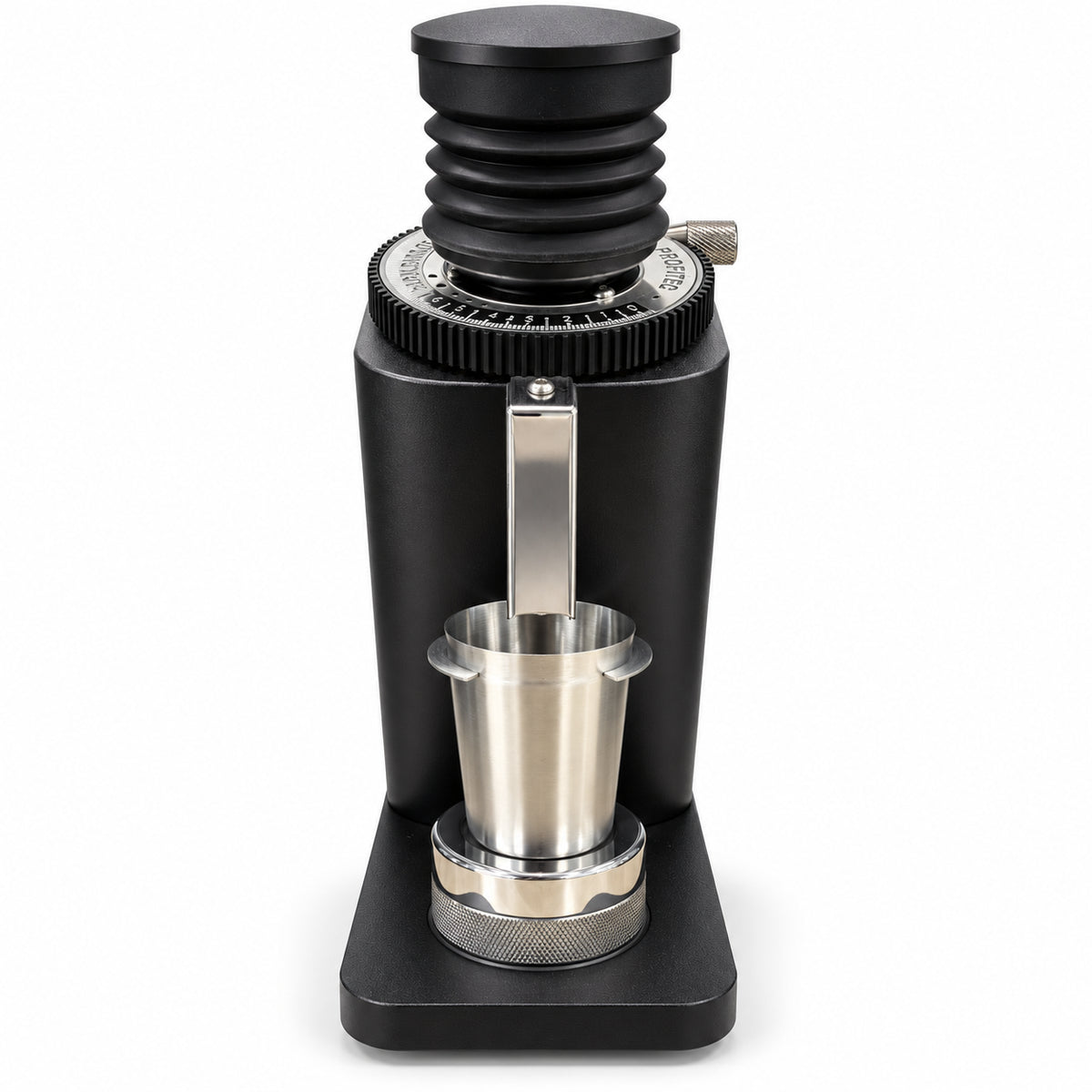

Moccamaster KM5 Coffee Grinder
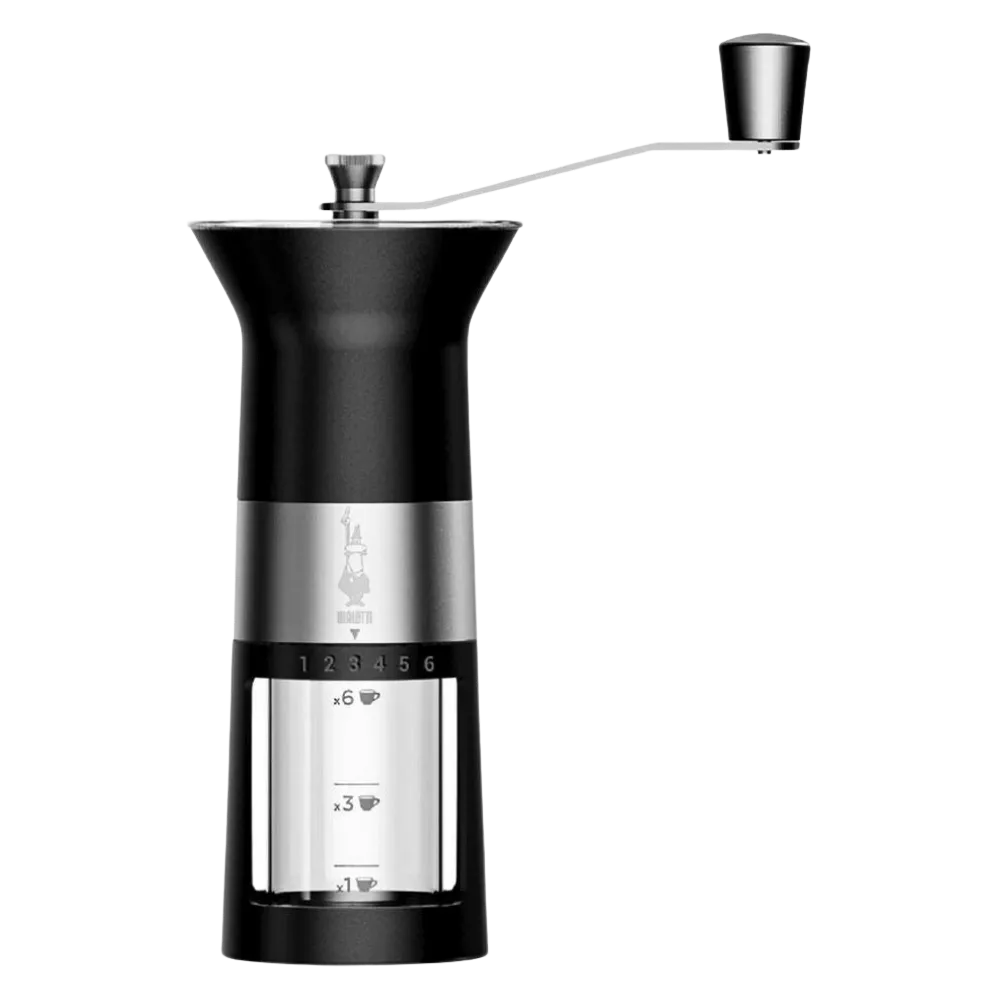
Bialetti Coffee Grinder Premium
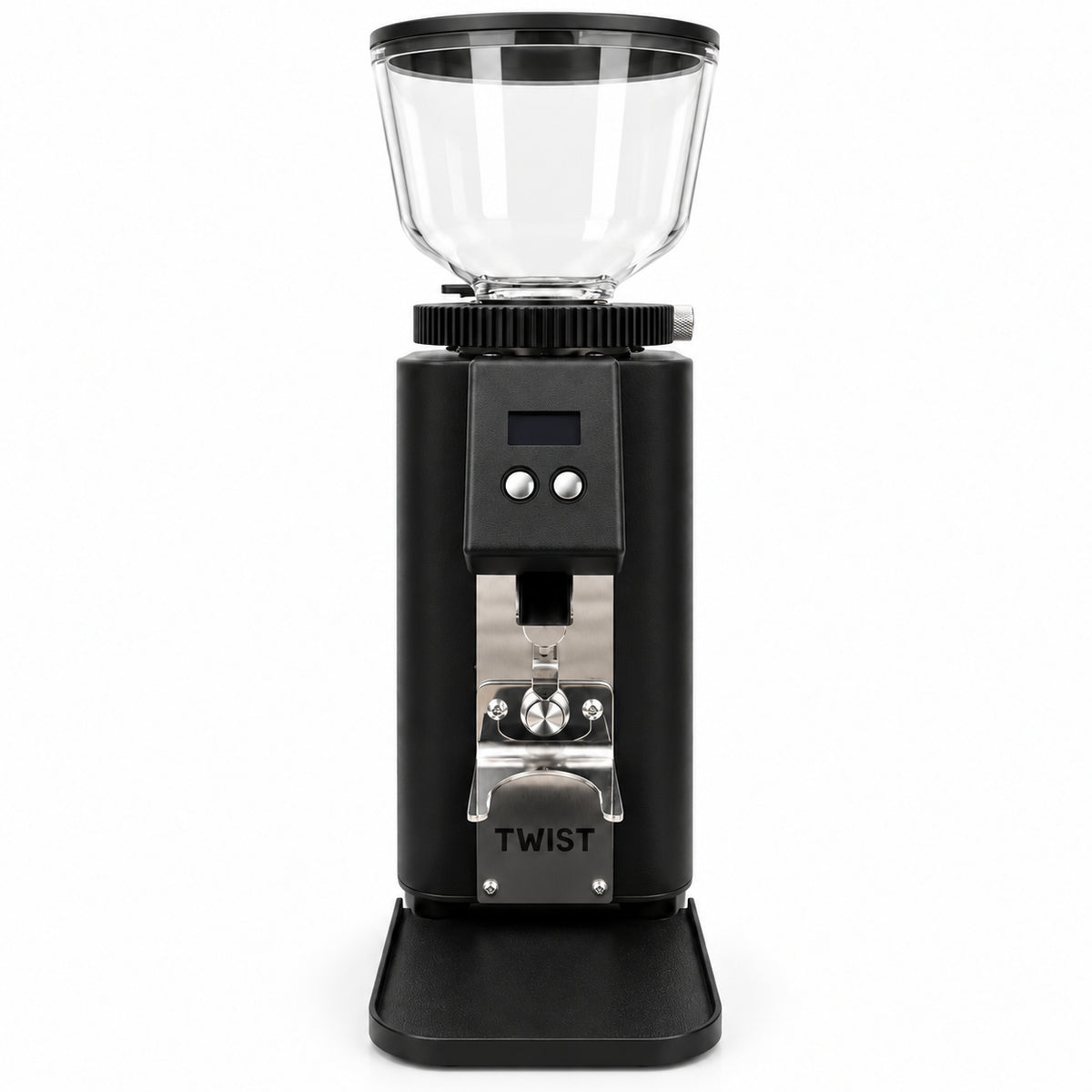
Profitec Twist A54 Coffee Grinder
How to choose a coffee grinder
Start with how you brew. Then decide how you want to dose and how fine an adjustment you need.
Espresso, filter or both
Espresso needs a fine, precisely adjustable grind, and most grinders in this range are built for it, from the Eureka Mignon Specialita to the Rocket Faustino. If you only brew filter, the Moccamaster KM5 covers everything from AeroPress to cold brew, though Moccamaster says it is not designed for espresso. For both, look at grinders their makers rate for espresso and filter, such as the Eureka Atom 60E or the DF64 Gen II.
Stepless or stepped adjustment
A stepless grinder has no fixed clicks, so you can make very small changes when dialling in a shot. The Eureka Mignon range, Rocket Faustino, ANFIM Luna, DF54, DF64 and Profitec Twist grinders all adjust steplessly. Stepped grinders such as the Porlex Tall II move in set clicks, so a setting is easy to repeat when you switch between brew methods.
Single dose or hopper
You load a single dose grinder with just the beans for one cup. That means you can weigh each dose and swap coffees without leaving old beans in the hopper. Options here include the DF54, DF64 Gen II, Profitec Twist SD54 (with a bellows and magnetic dosing cup) and Eureka Mignon Single Dose Pro. Hopper grinders hold a bag of beans and grind programmed doses straight into the portafilter, which is quicker if you drink the same coffee every day. The Eureka Mignon Libra goes a step further and grinds by weight rather than time.
Burr size
Most of the electric grinders here use flat burrs. They range from 50 mm in the Rocket Faustino and Macap M2E to 64 or 65 mm in the Lelit PL72 William, Eureka Mignon XL and ANFIM Luna. Burr size is one of the main differences between models at different prices, and it changes three things. Larger burrs grind faster, so the motor runs for less time per dose and warms the coffee less. They tend to give a more even grind with fewer fines, which makes espresso easier to dial in and the cup cleaner. They also wear more slowly for the same amount of coffee. Smaller burrs keep a grinder compact, quieter and cheaper, and for a few coffees a day the difference in the cup is modest, so compare burr size alongside dosing and adjustment rather than on its own.
Hand grinders
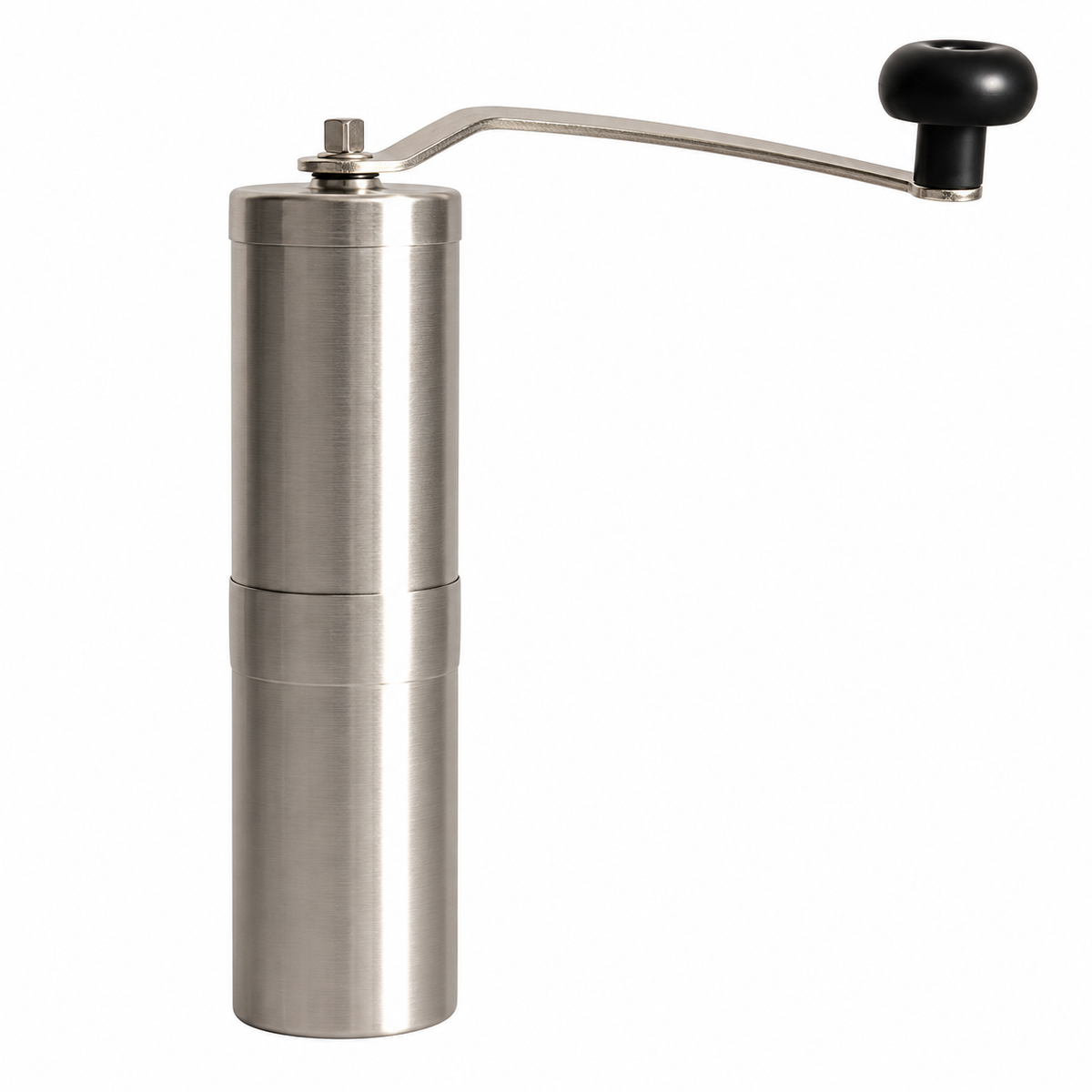
Manual grinders need no power and pack down small, which suits travel, camping or a single cup of filter. The Porlex Tall II has ceramic burrs and a stainless steel body, and the Bialetti Coffee Grinder Premium is an easy match for a moka pot.
Grinders for cafés and workplaces
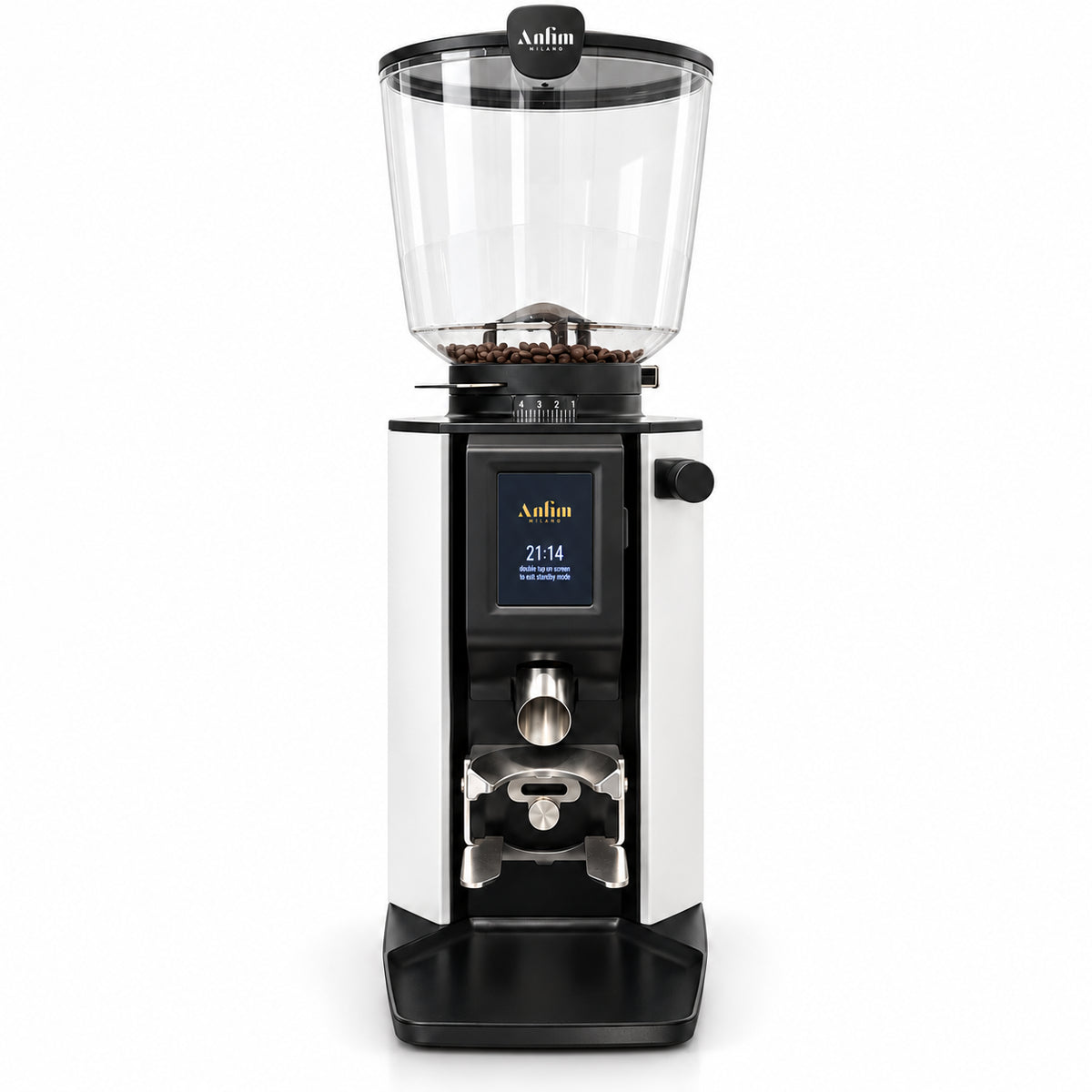
For higher volumes, the Eureka Atom 60E comes from Eureka's commercial range and holds 510 g of beans. ANFIM describes the Luna as a professional espresso grinder with three programmable recipes.
Complete your setup
A grinder pairs naturally with a manual espresso machine and fresh espresso beans. Keep the burrs and portafilter clean with products from our coffee machine cleaning range.
FAQs
What type of coffee grinder is best for espresso?
A grinder with fine, stepless adjustment and consistent dosing. The Eureka Mignon Specialita uses 55 mm flat burrs with Eureka's stepless micrometric adjustment. The Rocket Faustino has 50 mm flat burrs with stepless adjustment. Both let you make very small changes while dialling in a shot. Avoid filter-only grinders: Moccamaster says its KM5 is not designed for espresso.
What is a stepless coffee grinder?
A stepless grinder has no fixed clicks or steps between grind settings, so you can set the burrs anywhere within their range. This matters most for espresso, where dialling in often needs very small changes. In this range, the Eureka Mignon grinders, Rocket Faustino, ANFIM Luna, DF54, DF64 Gen II and Profitec Twist grinders all adjust steplessly.
What is a single dose grinder?
A single dose grinder has a small hopper, or none, and you load it with just the beans for one cup. You weigh the beans and grind them all, so nothing is left sitting in the hopper and it is easy to swap between coffees. For example, the Eureka Mignon Single Dose Pro holds 45 g of beans, and Eureka quotes a maximum retention of 0.55 g for espresso.
Can one grinder do both espresso and filter?
Yes, if you choose a grinder built for both. Eureka rates the Atom 60E for espresso and all styles of filter, and lists espresso and brew settings for the Mignon Single Dose Pro. The DF64 Gen II is also sold for espresso and filter. Single dose grinders make switching easier, because you don't have a full hopper of beans to grind through at the old setting.
Is a manual hand grinder good enough?
For filter, plunger, moka pot and travel, a good hand grinder is a practical choice. The Porlex Tall II has ceramic burrs, a stainless steel body and click adjustment, and Porlex says each step on its scale is about 37 microns. If you make several espressos a day, an electric grinder is much quicker and easier to adjust in fine steps.
How much does a good coffee grinder cost?
Prices in this collection run from about $100 to $2,149:
- Hand grinders such as the Bialetti Coffee Grinder Premium and Porlex Tall II: about $100.
- The DF54 and DF64 Gen II single dose grinders: about $420 to $740.
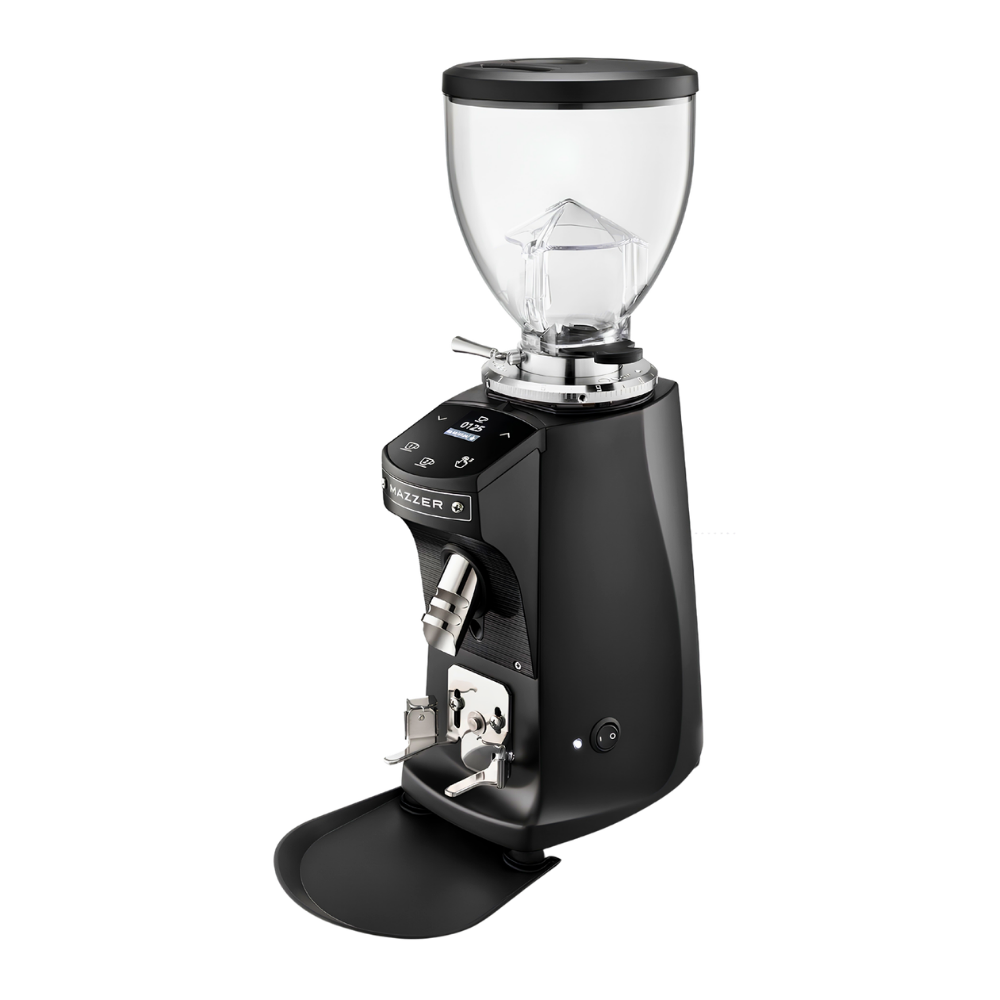
- Home espresso grinders from Eureka, Macap, Lelit, Profitec and Rocket: $800 to $1,650.
- The ANFIM Luna: $2,149.
How fast do you deliver coffee grinders?
Order by 3pm Melbourne time on a business day and we dispatch the same day, Australia-wide. Delivery is a flat $9.95 on orders under $200 and free on orders over $200, so every electric grinder in this range ships free.